Leader’s stance on Strait of Hormuz management rooted in international law: Lawyer
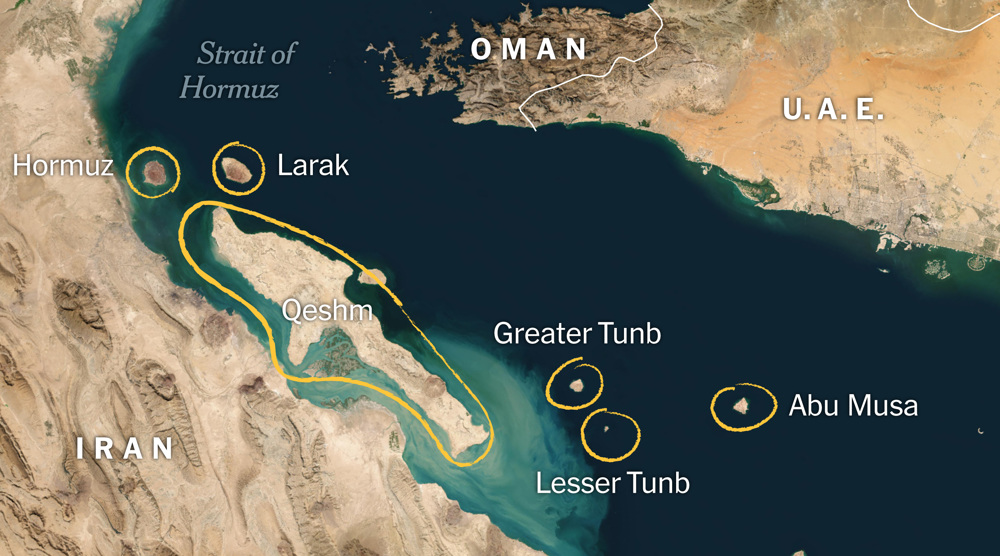
Leader of the Islamic Revolution Ayatollah Seyyed Ali Khamenei’s firm position on the new management of passage through the Strait of Hormuz is “solidly grounded in international law,” according to an international lawyer.
In a post on X on Thursday, Reza Nasri said the recent war of aggression waged by nuclear-armed powers against Iran, a littoral state, compels Western countries to fundamentally reassess their long-held understanding of transit rights through the strategic waterway.
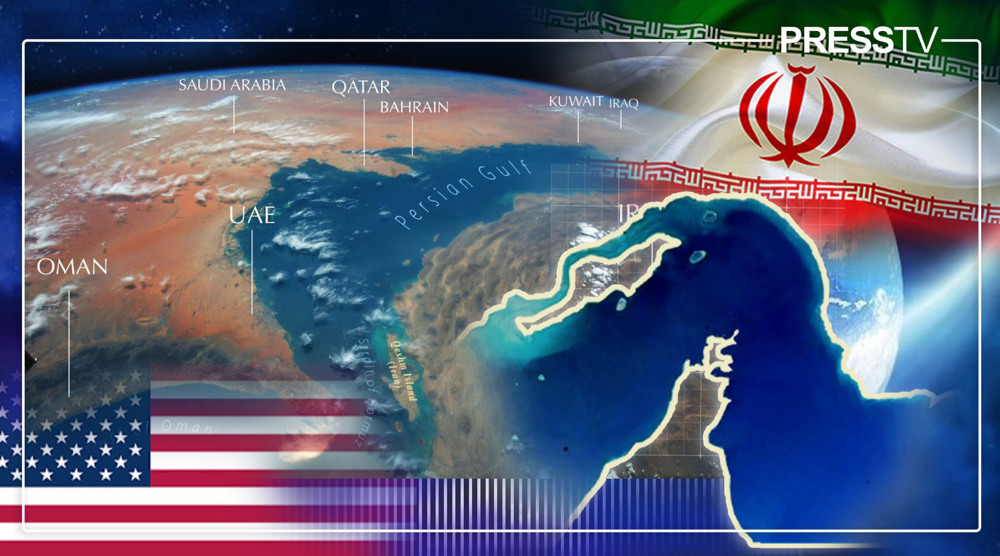
A decisive factor, he noted, is the extensive network of US military installations across Bahrain, Qatar, the United Arab Emirates, Saudi Arabia, and Kuwait.
These bases, housing forward-deployed aircraft, warships, missile defense systems, and logistics hubs, serve no commercial or neutral purpose, Nasri said.
“Their explicit strategic objective, repeatedly articulated in US defense posture statements, is to project power against Iran and enable rapid military operations in the Persian Gulf,” he said, noting that the function of these bases extends beyond conventional military operations.
“They could serve as platforms to destroy an entire civilization and pose an existential threat to the Iranian nation.”
✍️ Analysis - Iran's new blueprint for management of Strait of Hormuz in post-American regional order
— Press TV 🔻 (@PressTV) April 30, 2026
By Press TV Strategic Analysis Deskhttps://t.co/J04fWWMiLw
Under international law, Nasri explained, an international strait derives its special transit-passage status precisely from its function as a neutral corridor linking two bodies of high seas or exclusive economic zones, as outlined in Article 37 of the United Nations Convention on the Law of the Sea (UNCLOS).
“When one littoral side is transformed into a permanent armed perimeter directed at the opposite coastal state, the waterway ceases to operate as a normal international strait,” he said. “Instead, it becomes an integral component of a hostile military theatre.”
Nasri drew a partial analogy to legal frameworks governing demilitarized zones and neutralized territories, such as the Antarctic Treaty System or the Treaty of Tlatelolco.
More directly, he noted that the International Court of Justice in the 1986 Nicaragua case recognized that stationing foreign forces and using territory for aggressive purposes can constitute a threat of force.
“Here, the bases did not merely threaten; they operationalized the recent aggression,” he said, referring to the 40-day war that was imposed on the Iranian nation.
✍️ Analysis - Iran consolidates Strait of Hormuz control in post-war power shift, leaving US in the dark
— Press TV 🔻 (@PressTV) April 30, 2026
By Press TV Strategic Analysis Deskhttps://t.co/cZKzlZj2KE pic.twitter.com/nJJzI9PZZJ
At a minimum, the legal analyst remarked, until these installations are fully removed and supplanted by a genuine local collective security framework that guarantees the safety of all littoral states, including Iran, the Strait of Hormuz cannot be treated as just any neutral international waterway.
“The international community must now recognize that the law of the sea is not a suicide pact,” he said. “A new framework of conditional passage, grounded in regional security, offers the only path forward that is both legally coherent and strategically sustainable.”
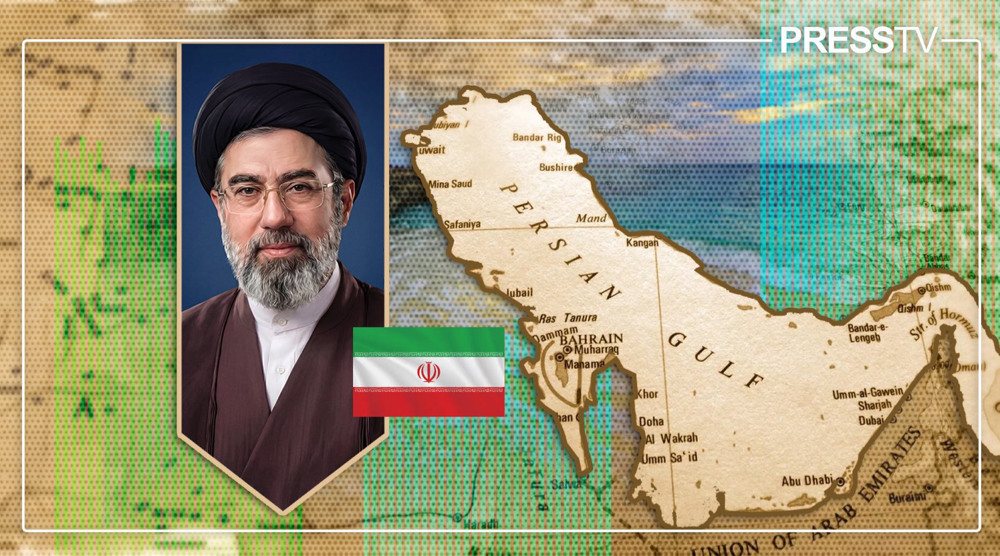
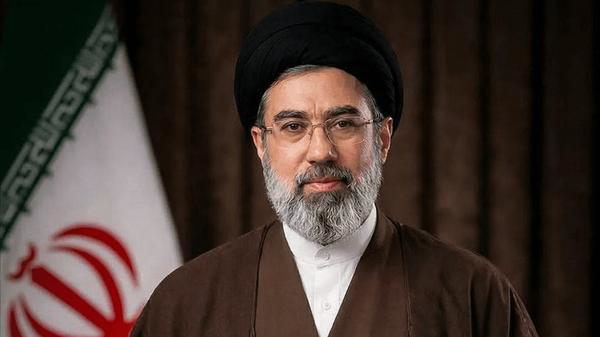
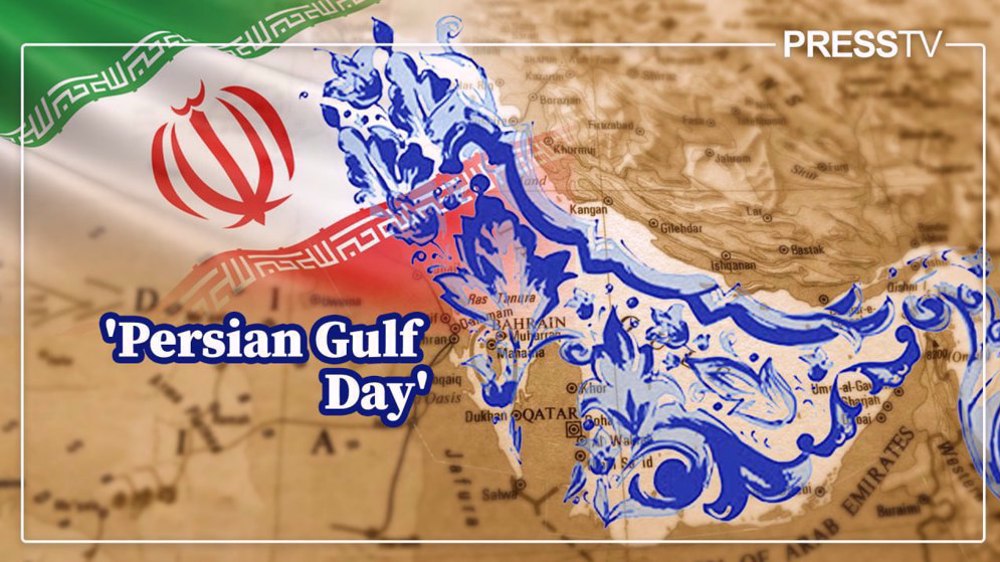
In a statement marking Persian Gulf Day on Thursday, Leader of the Islamic Revolution Ayatollah Seyyed Mojtaba Khamenei unveiled a comprehensive strategic vision for the Strait of Hormuz amid tensions with the US.
He declared the dawn of a "new chapter" for the strategic waterway, asserting that Iran will implement new management rules over the Strait of Hormuz following recent US-Israeli aggression against the country.
“This strategic asset has provoked the greed of many devils in past centuries, and the history of repeated aggressions by European and American foreigners, insecurities, damages, and numerous threats to the countries of the region are only a fraction of the ominous plots of the world's arrogant powers against the inhabitants of the Persian Gulf region, the latest example of which was the recent thuggery of the Great Satan,” he noted.
Mission unaccomplished – Part VI: US sought Iran’s surrender but got a new regional superpower
Contrary to enemy propaganda, Iran’s defense sector continues to make progress: Top general
Iran marks 39th anniversary of Sardasht chemical massacre, demands accountability from Western enabl



Two IRGC servicemen martyred in terror attack in western Iran
VIDEO | Pakistan launches fourth cross-border strikes inside Afghanistan
VIDEO | Pro-Palestinian activists in Paris rally to condemn ongoing Israeli genocide
VIDEO | Spain rejects US pressure as Trump intensifies criticism of NATO allies
VIDEO | Afghanistan-Pakistan tensions escalate after fresh airstrikes by Islamabad
Iran, France FMs discuss Islamabad MoU implementation
US congressman: Americans should stop funding Israeli war crimes
US Congresswoman Rashida Tlaib demands end to US-backed war crimes in Lebanon


 PressTV NEWSLETTER
now
PressTV NEWSLETTER
now
 This makes it easy to access the Press TV website
