World Bank warns of record energy price surge due to US-Israeli war on Iran
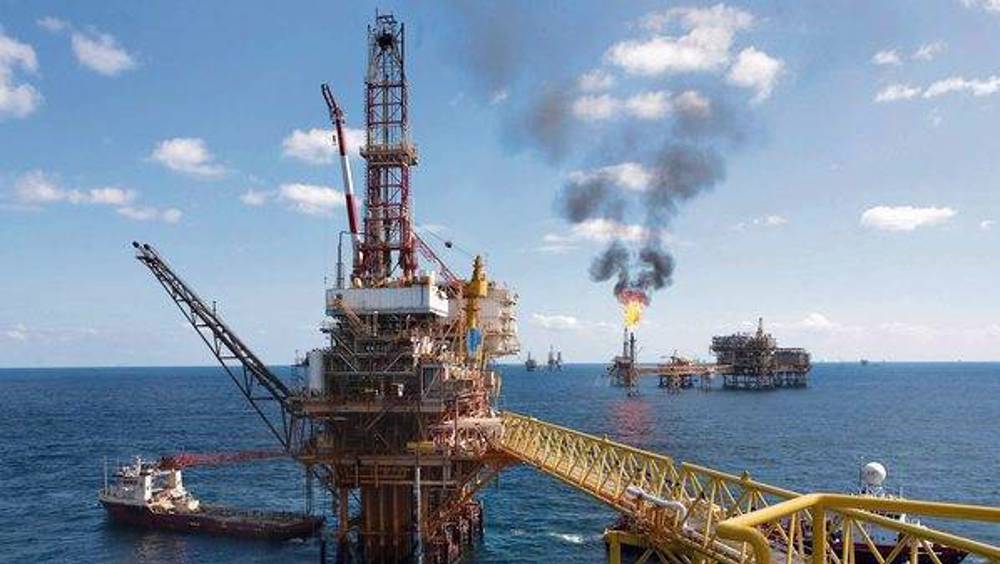
The World Bank says energy prices are projected to surge by 24% in 2026 due to the most severe disruptions caused by the illegal US-Israeli aggression on Iran.
In its latest Commodity Markets Outlook, issued on Tuesday, the bank warned that commodity prices could rise even further if hostilities in the region intensify and supply disruptions persist longer than expected.
According to the bank’s baseline scenario, shipping volumes through the Strait of Hormuz would gradually return to near pre-war levels by October.
However, it cautioned that risks remain “markedly tilted” toward higher prices.
The baseline forecast projects a 16% increase in overall commodity prices in 2026, driven by surging energy and fertilizer costs, as well as record-high prices for several key metals.
Oil prices continued to rise on Tuesday amid ongoing efforts to end the war and the continued closure of the Strait of Hormuz to vessels linked to Iran’s adversaries.
Before the war, the strait accounted for 35% of global seaborne crude oil trade. Now, attacks on energy infrastructure and disruptions to shipping have triggered what the World Bank describes as the largest oil supply shock on record.
The bank noted that Brent crude prices remained more than 50% higher in mid-April than at the start of the year. It forecasts Brent to average $86 per barrel in 2026, up sharply from $69 per barrel in 2025.
Prices could climb even higher—averaging as much as $115 per barrel this year—if critical oil and gas infrastructure sustains further war damage and export volumes are slow to recover.
Brent crude futures for June were trading at around $109 per barrel on Tuesday, after reaching their highest close since April 7 a day earlier.
Fertilizer prices are projected to rise by 31% in 2026, driven largely by a 60% increase in the price of urea, the most widely used nitrogen-based fertilizer produced from natural gas.
The World Bank also said inflation in developing economies is now projected to average 5.1% in 2026 under the baseline scenario, up from 4.7% last year and a full percentage point higher than pre-war forecasts. If the war continues, inflation could rise as high as 5.8%.
In the United States, gasoline prices climbed on Tuesday to their highest level in four years. The average price for a gallon of regular gasoline reached $4.18, according to the AAA, the highest level since April 2022, shortly after the start of the Russian invasion of Ukraine. Tuesday’s 1.6% increase marked the sharpest daily rise in over a month.
The Islamic Revolution Guard Corps (IRGC) has restricted access to the Persian Gulf waterway since the US and Israel launched their war of aggression on Iran on February 28.
The IRGC, which has assumed full control over the waterway, is allowing only civilian vessels to pass under special regulations.
As a key transit route for roughly 20% of global oil and liquefied natural gas shipments, the strait has become the site of an unprecedented disruption, one that has already fueled inflation and is expected to slow the global economy in the months ahead.

How Iran's Strait of Hormuz card trumped sanctions-addicted US and brought it to heel

US-Israeli war on Iran disrupts global circuit board supply, raises tech costs: Report

The fourth center: Iran's wartime economic rise



Russian, Chinese flights to Iran resume after 60-day halt due to US-Israeli war
Israeli strikes on Gaza kill five civilians, including 9-year-old boy
World Bank warns of record energy price surge due to US-Israeli war on Iran
Iran has legal right to act in Hormuz, holds US responsible for disruptions: UN mission
IRGC dismantles four-member terror cell in western Iran
Iran names World Cup convoy 'Minab 168' in tribute to children killed in US-Israeli bombing
Netanyahu attends 81st court session to answer corruption charges
UAE to exit OPEC and OPEC+ amid rising tensions in region


 PressTV NEWSLETTER now
 This makes it easy to access the Press TV website