Iran has legal right to act in Hormuz, holds US responsible for disruptions: UN mission
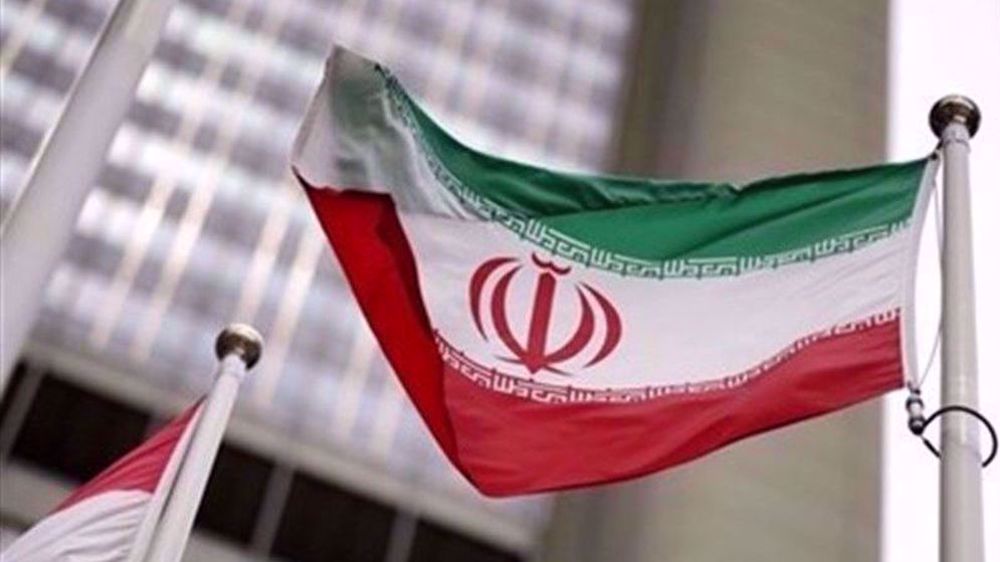
Iran, which is not a party to the 1982 UN Convention on the Law of the Sea, asserts its legal right to take “necessary and proportionate measures” in the Strait of Hormuz, and holds the United States responsible for any disruptions to maritime transport in the vital waterway, the country’s permanent mission to the United Nations said.
The mission said on Tuesday that US actions in the Strait of Hormuz have severely compromised international maritime safety. The mission made the remarks in two posts on X, a day after Iran addressed at a meeting of the United Nations Security Council (UNSC) on Maritime safety.
The mission pointed out that Iran is not a party to the 1982 Convention on the Law of the Sea and therefore does not regard its provisions as binding.
As the principal coastal state, Iran retains the legal authority to implement necessary measures within the Strait of Hormuz to address security threats and to prevent any military or hostile exploitation of this vital passage, it said.
Iran's mission further noted that the Islamic Republic reserves the right to ensure safe passage in the Strait of Hormuz and to protect its national interests against hostile activities.
It further asserted that the US has engaged in unlawful actions that disrupt maritime transport, such as the imposition of a maritime blockade, the illegal seizure of Iranian vessels, and the detention of their crews.
Iran is not a party to the 1982 UN Convention on the Law of the Sea. Therefore, it is not bound by its treaty-based provisions.
— I.R.IRAN Mission to UN, NY (@Iran_UN) April 28, 2026
As the main coastal State within whose territorial sea the Strait of Hormuz lies, Iran has the legitimate and legal right to take necessary and…
Such actions not only violate international law and the UN Charter but also constitute acts of piracy.
As tensions escalate in the region, the Iranian government says that the US's aggressive maritime policies pose a direct threat to international navigation and regional stability.
The Iranian mission further called for accountability regarding US transgressions.
Tensions have been running high over a so-called naval blockade the US has enforced on Iranian ports and ships, as well as American attempts to conduct mine-sweeping operations in the Strait of Hormuz.
Iranian officials have said the blockade is unlawful and a breach of a two-week ceasefire that took effect on April 8 and was again unilaterally extended by US President Donald Trump hours before it was set to expire on April 22.
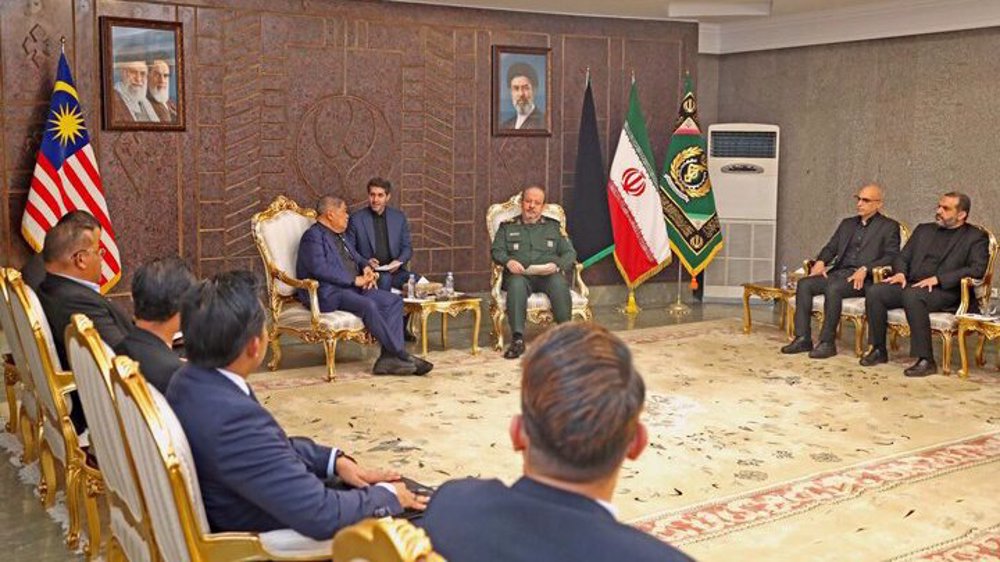
Iran doesn’t trust US, will give 'decisive response' to any MoU violation: Acting defense minister
Intelligence forces dismantle US-Israeli-linked terrorist teams in southeastern Iran
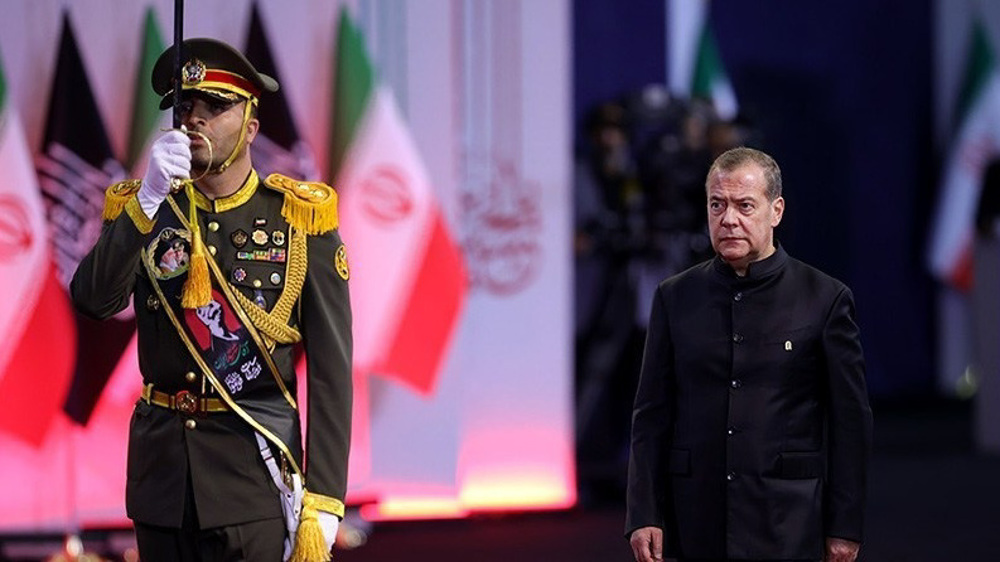
Russia’s Medvedev: Strait of Hormuz gives Iran deterrence as powerful as nuclear weapons



VIDEO | Ayatollah Khamenei architect of Iranian resilience seen during US-Israeli war: Analyst
China, Russia to hold joint naval drills
Iran will never relent in pursuit of Leader’s assassins: Army chief
Regional security bolstered by Iran’s resistance to US, Israel: Senior Lebanese cleric
Remembering Martyr Leader’s legacy of defeating the politics of hunger
VIDEO | Press TV's news headlines
Resistance has transcended borders after Leader’s martyrdom, Iranian commander says
Iranians raise cry of ‘resistance and revenge’ at martyred Leader’s funeral: Top security official


 PressTV NEWSLETTER
now
PressTV NEWSLETTER
now
 This makes it easy to access the Press TV website
