Iran: No decision yet on new talks in Pakistan due to US contradictory messages
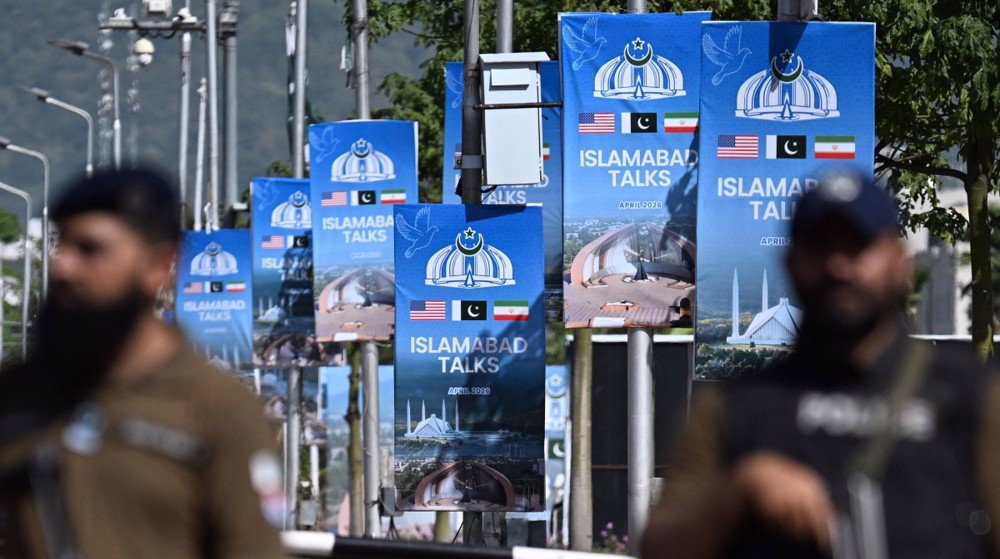
Iran has not made a final decision on whether to participate in the next round of Pakistan-mediated talks with the United States, citing contradictory messages, inconsistent behavior and unacceptable actions by the American side, the Foreign Ministry spokesman said on Tuesday.
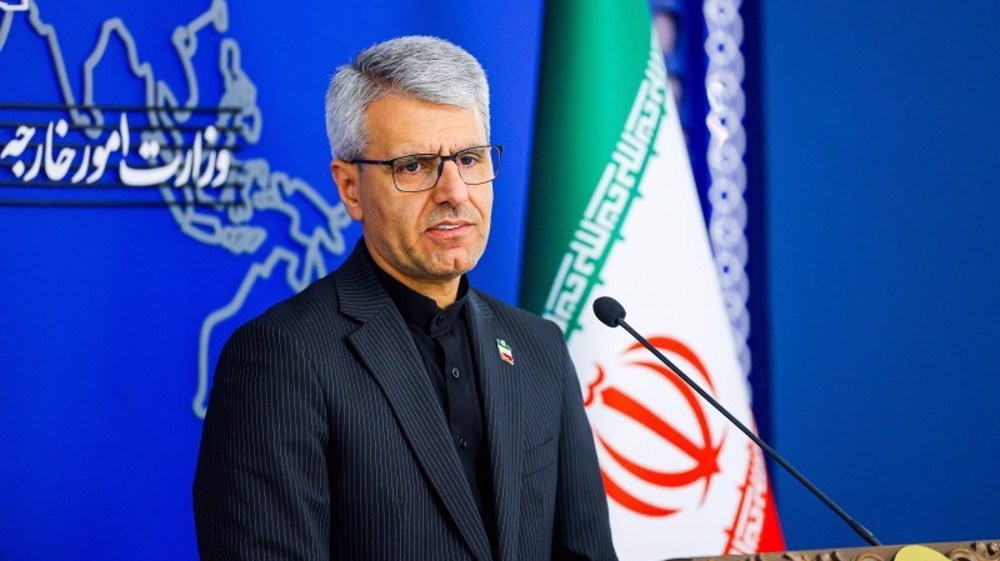
“No final decision has been made yet on whether to participate in the Pakistan talks,” Esmail Baghaei said in a televised interview on IRIB’s News Network.
“The reason is the contradictory messages, inconsistent behavior and unacceptable actions of the American side,” he said.
Pakistan has been brokering indirect negotiations between Tehran and Washington following the illegal 40-day war that began on February 28, when the United States and Israel launched their unprovoked aggression against Iran.
A two-week ceasefire took effect on April 8 and will expire on Wednesday.
The spokesman emphasized that any diplomatic process must be weighed according to its benefits and harms.
“Going back and forth is neither a criterion for success nor inherently valuable. What matters is that participation in a diplomatic process serves our national interests,” he said.
“That is why decision-making on this process, like any other matter, is done carefully and with all considerations in mind.”

Ceasefire violated from the start
Baghaei noted that the ceasefire was violated by the US side from the very beginning.
“The ceasefire was supposed to include Lebanon as part of the agreement, but unfortunately they did not abide by it,” he said.
He recalled that after the Islamabad talks, an understanding was reached and Iran’s foreign minister announced that Tehran would fulfill its commitments, but Washington responded by saying that it will continue the naval blockade.
“A naval blockade is both illegal under international law and a clear violation of the ceasefire understanding,” Baghaei said. He also noted the subsequent attack on an Iranian commercial vessel.
The spokesman stressed that Iran negotiates carefully and, if it accepts a commitment, it adheres to it.
“Even after the US withdrew from the JCPOA in 2018, Iran continued to fully implement it for one year, then only gradually reduced some commitments every two months. This shows a responsible and committed approach,” he said.
He described US actions against shipping as “maritime piracy at the state level.”
Iran’s brave decision to accept ceasefire
Baghaei said Iran’s decision to accept the ceasefire and enter talks was “very courageous.”
“After nearly 40 days of fierce defense, despite heavy losses, including the martyrdom of our Leader and commanders, the enemy did not achieve any of its goals thanks to the people’s resistance,” he said.
He added that Iran enters a diplomatic process when it deems it necessary for national interests, but the process must be result-oriented.
US diplomatic gestures inconsistent with actions
“The diplomatic gestures and claims of diplomacy are inconsistent with their behavior,” Baghaei said. “This should be clear to our people, to the region, and to world public opinion that may sometimes be influenced by US claims.”
He noted that international media have published much false information recently, but Iran is transparent with its people.
Seyed Mohammad Marandi on Iran-US second round of talks:
— Press TV 🔻 (@PressTV) April 20, 2026
With the current delusional and unrealistic demands and the continued naval blockade, no one in Tehran is willing to negotiate with US Vice President Vance.
Follow: https://t.co/mLGcUTS2ei pic.twitter.com/OMrUn0joUt
US President Donald Trump said on Tuesday that would not agree to an extension of the ceasefire if no deal is reached before it ends. He said the United States was ready to go back to the war.
Tensions have been running high over a so-called naval blockade the US has enforced on Iranian ports American attempts to conduct mine-sweeping operations in the Strait of Hormuz.
Iranian officials have said the blockade is unlawful and a breach of ceasefire.
Iran says it will not accept diktats or conditions imposed by the United States and will not negotiate under the shadow of threats.
Foreign Minister Abbas Araghchi has said Tehran entered the diplomatic process responsibly but has lost trust due to repeated US violations and military aggression during previous negotiations, notably in June 2025 and February 2026.
Leader grants pardons, sentence reductions to over 2,000 convicts

Report: Starlink was core component of US-Israeli war on Iran
Iran: Germany's UN seat loss 'stark rebuke' over role in Gaza genocide



Hamas denounces Israeli infanticide after 7-month-old's murder in occupied West Bank
June 5: Iran slams US-Israeli 'nuclear terrorism' as warships are forced to retreat from Sea of Oman
Leader's advisor: US would enter 'dark and endless corridor' if it resumes aggression against Iran
US-Israeli retreat from bombing Beirut suburb after Iran's warning marks their greatest humiliation
Iran World Cup squad granted US visas ahead of Los Angeles opener: Report
Ireland bars two extremist Israeli ministers from entering country
No point in meeting with Zelensky for now, says Putin after Ukraine president's open letter
France opens 'war crime' probe over Israeli ill-treatment of Gaza flotilla activists




 PressTV NEWSLETTER now
  This makes it easy to access the Press TV website