Iran now a bona fide regional power with key decisions running through Tehran: Analyst

By Alireza Kamandi
Iran is now a bona fide regional power, and key decisions run through Tehran – so countries in the region will need friendly relations with Iran, says an analyst.
In an interview with the Press TV website, Patrick Henningsen, the founder of the 21st Century Wire Website, a geopolitical analyst and an award-winning journalist, said the US foreign policy under President Donald Trump continues to alienate long-standing allies, and a noticeable shift is underway in European capitals.
He noted that a combination of strategic autonomy, economic self-interest, and dwindling confidence in Washington’s reliability is driving a more defiant European posture on the world stage.
His remarks came days after the US agreed to a 10-point proposal from the Islamic Republic to permanently end the war of aggression against the country, submitting to the Iranian power.
During the 40-day war, Iranian armed forces retaliated strongly and decimated US military bases and assets across the region, as well as Israeli military and strategic sites in the occupied territories.
Iran also closed the Strait of Hormuz for US and allied vessels following the unprovoked aggression, which caused energy across the globe, including the US and Europe.
The war against the Islamic Republic has further distanced Washington from its European allies, who have refused to join the US-Israeli war coalition against Iran.
✍️ Feature - How Iran decimated US power projection in West Asia: Military lessons of 40-day war
— Press TV 🔻 (@PressTV) April 10, 2026
By Mohammad Molaeihttps://t.co/RvImJFgLxO
Henningsen said, central to this realignment is Iran, which has solidified its status as a bona fide regional power. Key diplomatic and security decisions in West Asia now run through Tehran, compelling many countries, including Europeans, to seek functional, if not friendly, relations with the Islamic Republic.
He described the Trump administration’s approach as characteristic of what some historians call “late-stage empire”: a dominant power turning on its own allies or framing them as adversaries for rejecting imperial authority.
Tariff wars, widely seen as economically damaging to both the US and Europe, alongside inconsistent threats to withdraw from the NATO military alliance, have sent a clear signal. European nations, the argument goes, may need to develop independent foreign policies rather than conforming to frameworks imposed by Washington, NATO, or even Brussels.
“Public opinion in Germany, for example, is reportedly shifting away from blind support for both Israel and US foreign policy. Germans are increasingly aware of how US trade and energy policies—such as forcing the purchase of overpriced LNG gas—have strained their domestic economy, even as Berlin takes on new debt to finance a military buildup framed as a necessary response to Russia”, he noted.
“Iran has demonstrated an ability not only to strike back against US aggression but to inflict meaningful damage on the broader military posture of both the United States and Israel. In living memory, no other opponent has achieved this,” Henningsen said.
✍️ Feature - 33 days on, US war goals unmet as Iranian retaliation imposes heavy military, economic costshttps://t.co/ThkikTZzVs
— Press TV 🔻 (@PressTV) April 1, 2026
“While European and UK politicians remain cautious—often described as fearful of the Israel lobby and its media surrogates—this new reality may eventually force a reassessment.”
Regarding the current ten-day ceasefire agreement involving Lebanon, the award-winning journalist said, while it is seen as initially positive that Iran can impose conditions on both the US and Israel, deep skepticism persists.
Israel has a poor record of respecting ceasefires, especially when such agreements interfere with its territorial expansion or military objectives. Likewise, the US is known to adopt a similar doctrine: using truces as cover to buy time, prepare attacks, and resume hostilities.
Henningsen emphasized that both the US and Israel have been erratic and untrustworthy when it comes to honoring agreements. They ignore international law when it suits their interests and as a result, many countries have lowered expectations.
“Lower-tier powers feel obligated to keep diplomatic channels open to avoid all-out war, but major players like Iran and Russia are reportedly under no illusions about US reliability in any negotiation”, he told the Press TV website.
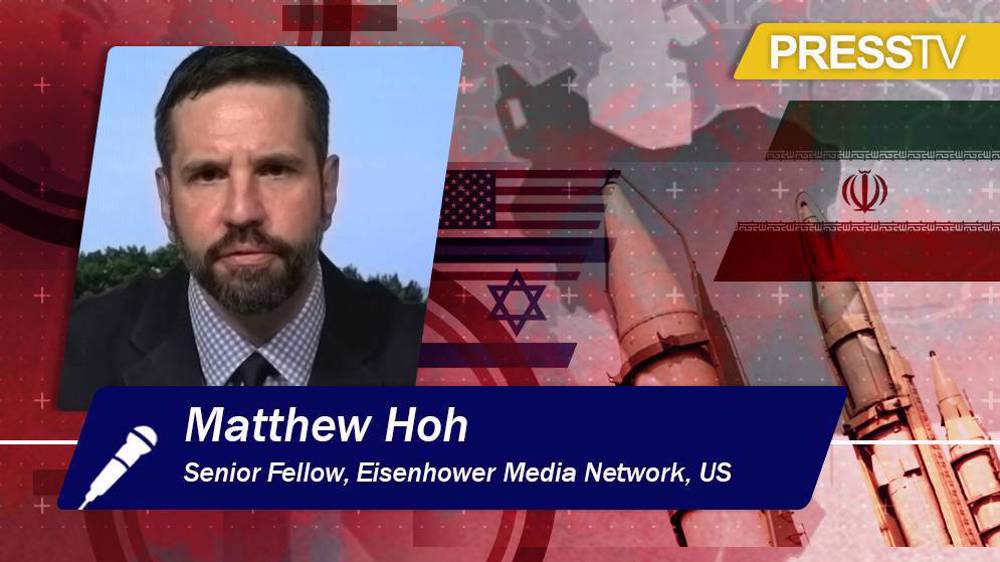
Iran-US MoU ‘significant strategic victory’ for Tehran, defeat for American Empire: Ex-US official
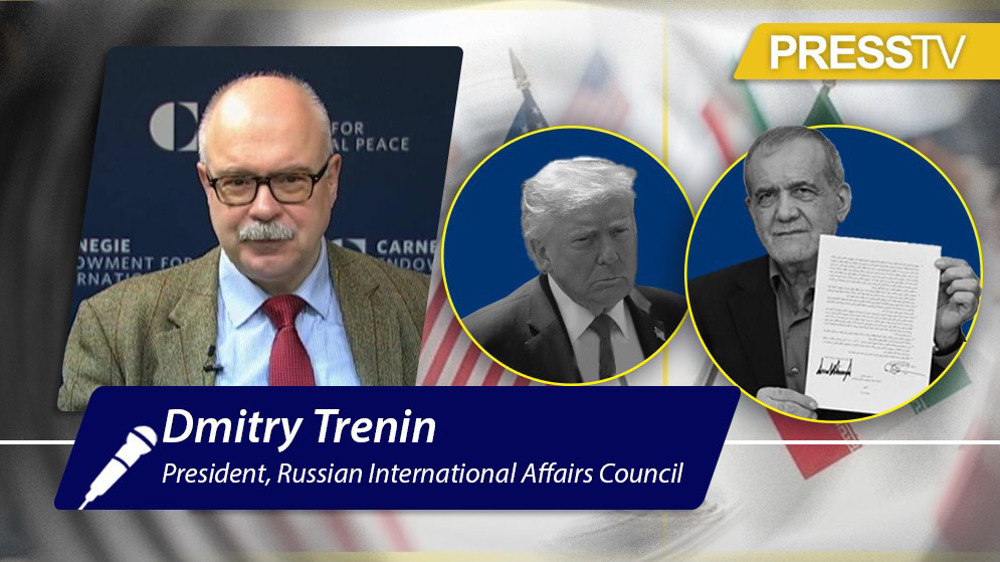
Iran stopped Trump's 'march to reassert US global dominance': Analyst
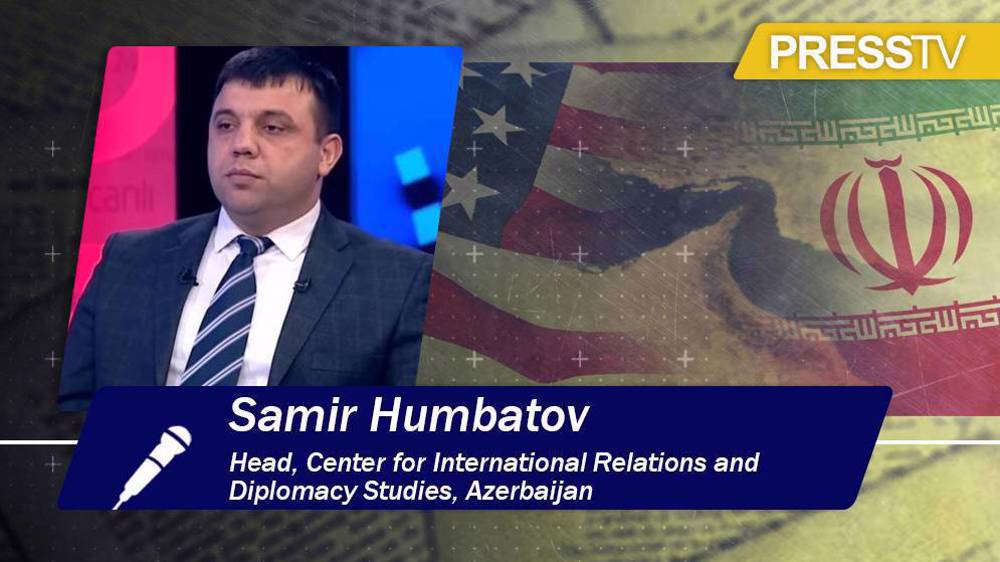
Iran-US MoU to end war a welcome development for regional security, stability: Analyst



Israel kills 8 Palestinians as Gaza death toll tops 73,000
'War crime': Iran FM vows legal action against US over torpedo attack on Dena frigate
IRGC dismantles armed separatist cell in northwest Iran
Venezuela earthquake death toll surpasses 1,700 as search efforts continue
US national pride lowest in two decades: Poll
Pentagon plans US ground troop deployment to force Hezbollah disarmament: Report
Over 90 countries declare readiness to attend funeral of martyred Leader
Mission unaccomplished – Part VII: US sought Iran's collapse but settled for reopening Hormuz Strait






 PressTV NEWSLETTER now
  This makes it easy to access the Press TV website