‘Do not let the enemy go’: Iran Judiciary chief calls for prosecution of US, Israel for war crimes
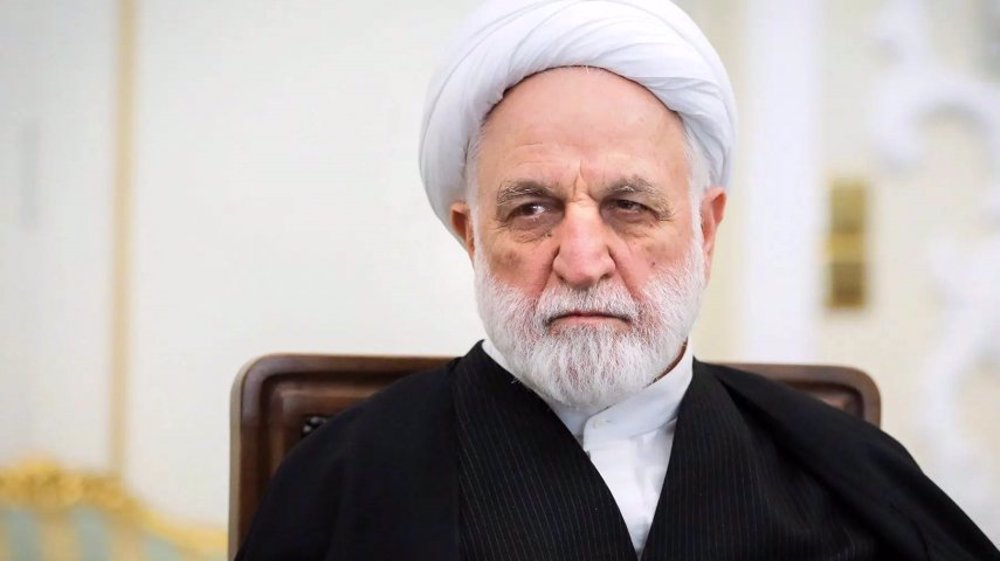
Iran’s Judiciary chief Gholamhossein Mohseni Ejei has called for pursuing legal action against the US and Israel over war crimes committed during their war of aggression on Iran, urging officials to seek compensation through international mechanisms.
Speaking at a meeting with senior judicial officials and provincial justice chiefs, Mohseni Ejei instructed the prosecutor general, the judiciary’s international deputy, the secretary of the Human Rights Headquarters, and the Center for Lawyers to make “maximum efforts” to secure the Iranian nation’s rights in international legal and judicial forums, in coordination with relevant bodies in the executive and legislative branches.
He outlined legal arguments for condemning the “aggressor regimes” under international law, stating that the US and the Israeli regime “deliberately committed numerous war crimes,” including killing children and civilians and targeting prohibited sites such as hospitals, schools, universities, and residential homes.
Referring to the 1949 Geneva Conventions, he said the “American and Zionist aggressors” had violated both the conventions and their additional protocols, as well as customary laws governing armed conflict.
“Enemies must pay war reparations. The enemy should not be let go; it must be grabbed and punished. The enemy has committed various war crimes and must be prosecuted,” he added.
The United States and Israel launched an unprovoked war on Iran on February 28 with airstrikes that assassinated senior Iranian officials and commanders, including Leader of the Islamic Revolution Ayatollah Seyyed Ali Khamenei.
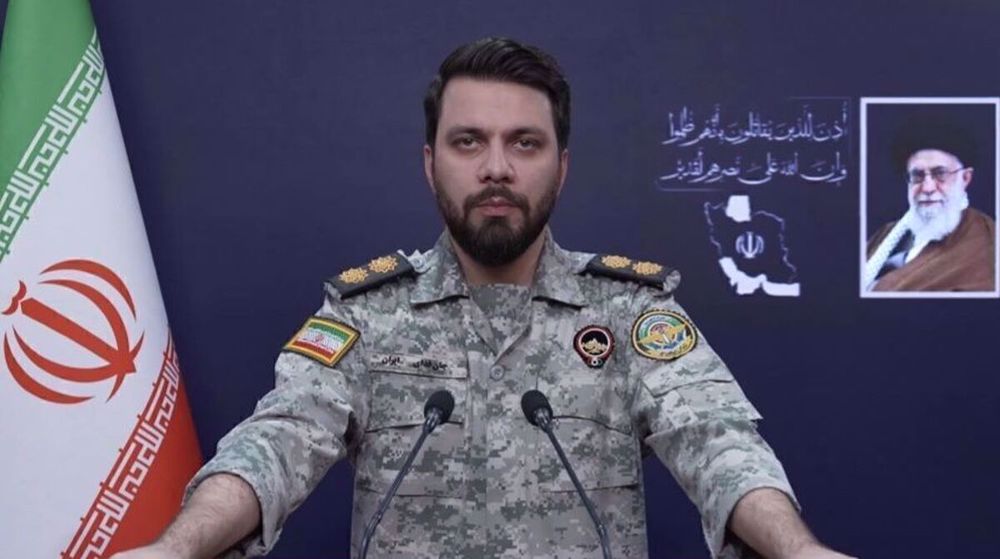
In response, the Iranian armed forces launched 100 waves of successful retaliatory strikes against sensitive and strategic American and Israeli targets throughout the region.
After 40 days, the US formally accepted Iran’s 10-point proposal on April 8 as the foundation for a ceasefire.
On April 12, Iranian and American delegations held talks in the Pakistani capital of Islamabad, but failed to reach an agreement due to excessive demands by the American side.
The two sides are now exchanging messages indirectly for a possible second round of negotiations before the expiry of the two-week truce on April 22.
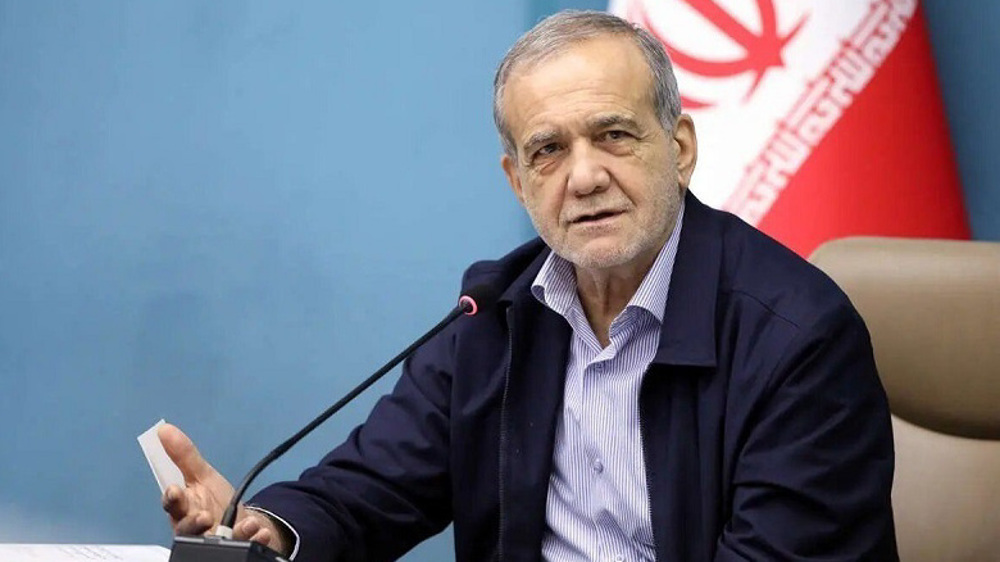
Iranian nation learned from martyred Leader never to submit to humiliation: Pres. Pezeshkian
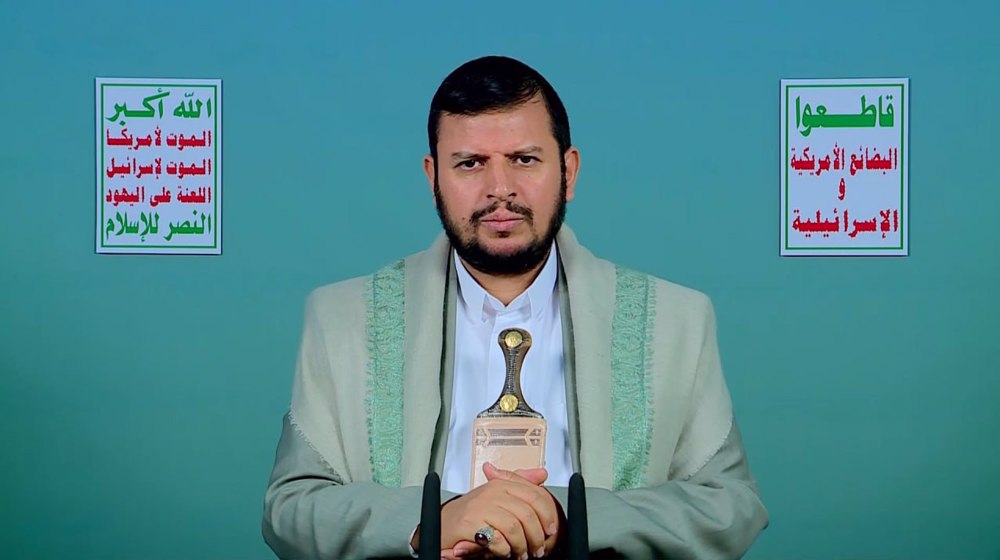
Ansarullah leader congratulates Iran on 'great victory' over US, Israel
Trump considers ousting officials who opposed Iran agreement: Report



Netanyahu-Trump relations reach breaking point: Israeli paper
UK Palestine Action proscription upheld
Top Yemeni official: Iranian armed forces inspiring model for Muslim world
Israeli media urges continued Lebanon strikes to disrupt Iran-US MoU
Bahraini regime forces attack mourning Shia Muslims near Manama
On Iran’s sanction-proof economy powered by scientists
VIDEO | US public welcomes end to their most unpopular war ever
VIDEO | Iran vs. New Zealand: A meeting beyond football


 PressTV NEWSLETTER
now
PressTV NEWSLETTER
now
 This makes it easy to access the Press TV website
