‘We will teach you a greater lesson’: Qalibaf warns Trump not to test Iran’s resolve again
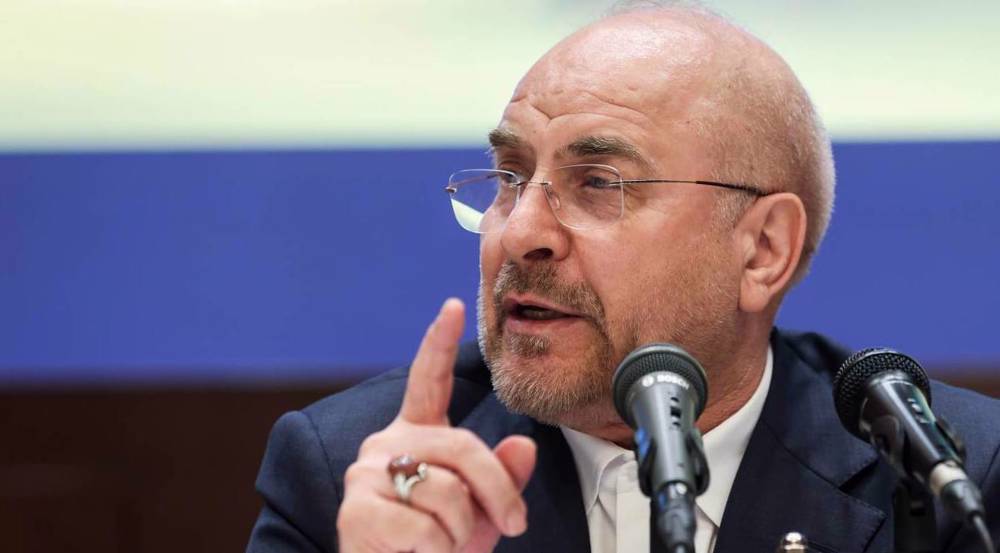
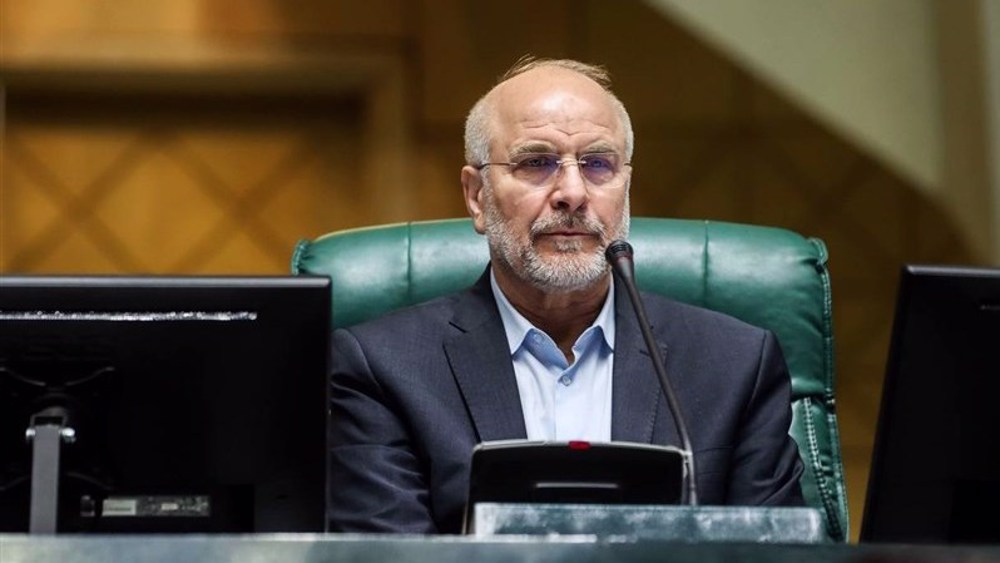
Iranian Parliament Speaker Mohammad Baqer Qalibaf said on Sunday that the Iranian nation has proved it does not bend to US threats, warning that the country was prepared to “teach a greater lesson” if confronted again.
Speaking to reporters upon returning from Islamabad, where he led a high‑ranking Iranian delegation for talks with the United States, Qalibaf thanked members of the Iranian negotiating team and reporters, whose coverage of the talks he said helped counter “psychological operations” by the other side.
Responding to recent remarks by US President Donald Trump, Qalibaf said the language of threats does not work with Iran. He added that Iran had demonstrated since the 1979 Islamic Revolution that it would not yield under military, economic or political pressure.
Addressing Trump directly, Qalibaf said Iran would respond in kind to either confrontation or dialogue.
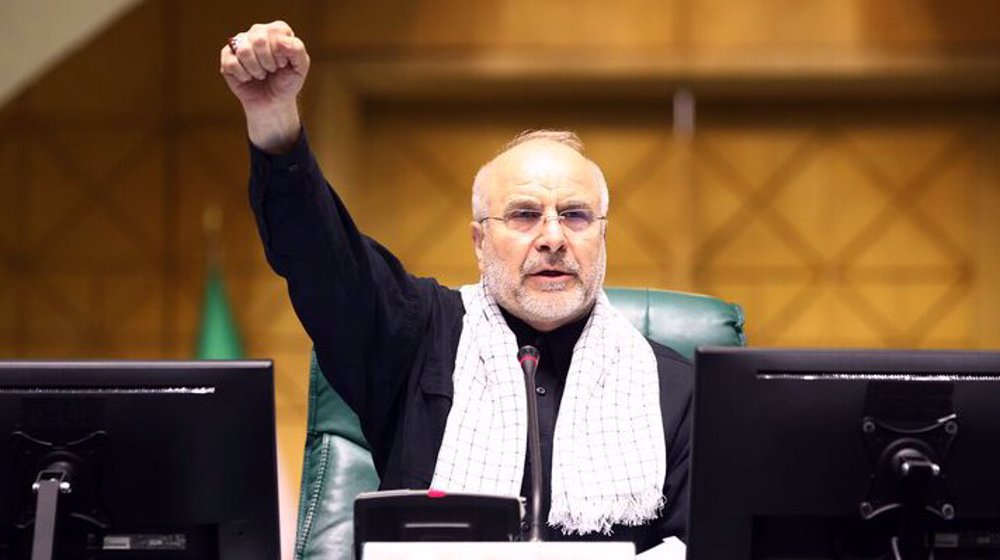
“If you go to war, we will fight you, and if you come forward with logic, we will treat you logically. We will not bow to any threat. Test our resolve once again, so that we will teach (you) a greater lesson,” he said.
He reiterated that the United States could only find a “way out” by deciding to rebuild trust with Iran, saying Washington “owes a debt” to the Iranian people and must attempt to make up for its past wrong actions.
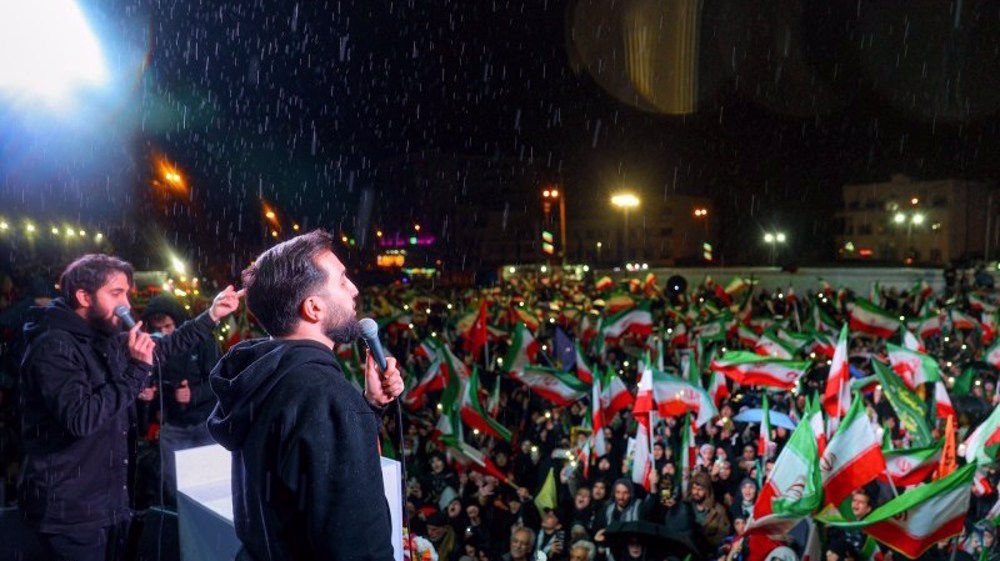
The top parliamentarian noted that nationwide public rallies in support of the Islamic Republic since the start of the US‑Israeli aggression in late February strengthened the country’s position during the Pakistan‑mediated talks in Islamabad.
He thanked the Iranian people for their “stronger‑than‑before presence in the streets,” saying it had reinforced the negotiating team’s ability to defend Iran’s national interests.
The Iranian delegation returned to Tehran after conducting 21 hours of intense negotiations with US negotiators headed by Vice President JD Vance. Iran had agreed to participate in the talks after American officials signaled they had accepted Iran’s general conditions to end the war under a 10‑point proposal Tehran had presented earlier through intermediaries.
"If they (US authorities) choose war, we’re ready to fight. But if they act rationally, we’ll respond rationally. We will not bow to threats. If they test our will again, we’ll give them an even harsher lesson."
— Press TV 🔻 (@PressTV) April 12, 2026
— Mohammad Baqer Qalibaf,
Iran's Parliament Speaker pic.twitter.com/ycgbSz81zk
The talks began in Islamabad on Saturday, days after Pakistan proposed a two‑week ceasefire to allow for diplomacy aimed at permanently ending the war. The discussions ended early on Sunday without an agreement, with Iranian officials blaming “excessive demands” by the American side.
The talks were “intense, serious and challenging,” Qalibaf told reporters in Tehran, adding that Iranian negotiators presented several initiatives as a gesture of goodwill.
However, he acknowledged that building trust with the Americans would be a “difficult and time‑consuming task” given Washington’s long history of reneging on its commitments. As the most recent examples, he said the US had attacked Iran twice over the past year amid diplomatic talks over Tehran’s nuclear program.
It was up to Washington, Qalibaf said, to take steps to rebuild confidence and break a “77‑year wall of mistrust” with Iran, adding that the Iranian negotiators saw little sign of such efforts in the latest round of talks in Islamabad.
The Parliament speaker stressed that Iran would continue on its “path toward success” independently and by relying on domestic capabilities.
Ayatollah Khamenei was a transformative leader and civilizational architect: Scholar
On 37th anniversary, Iran vows to never forgive deliberate US downing of Flight 655
Iran stands more united by virtue of martyred Leader’s blood: President Pezeshkian



US launched global pressure campaign to deter nations from attending Leader's funeral: Report
'Mind your malnutrition rates': Parl. speaker fires back at Trump over Iran food claims
VIDEO | Iran prepares historic farewell for martyred leader at Tehran Grand Mosalla
European lawmakers urge FIFA ethics probe into Infantino’s Trump ‘peace prize’ award
Iran to prevail over US, Medvedev says after attending martyred Leader’s funeral
President Pezeshkian: Iran will not bow to any bully
Yemen says it intercepted violating Saudi warplanes, warns Riyadh
VIDEO | Silent march in Paris marks 1,000 days of genocide in Gaza



 PressTV NEWSLETTER
now
PressTV NEWSLETTER
now
 This makes it easy to access the Press TV website
