US-Israel war against Iran exposed weakness of dollar: Report
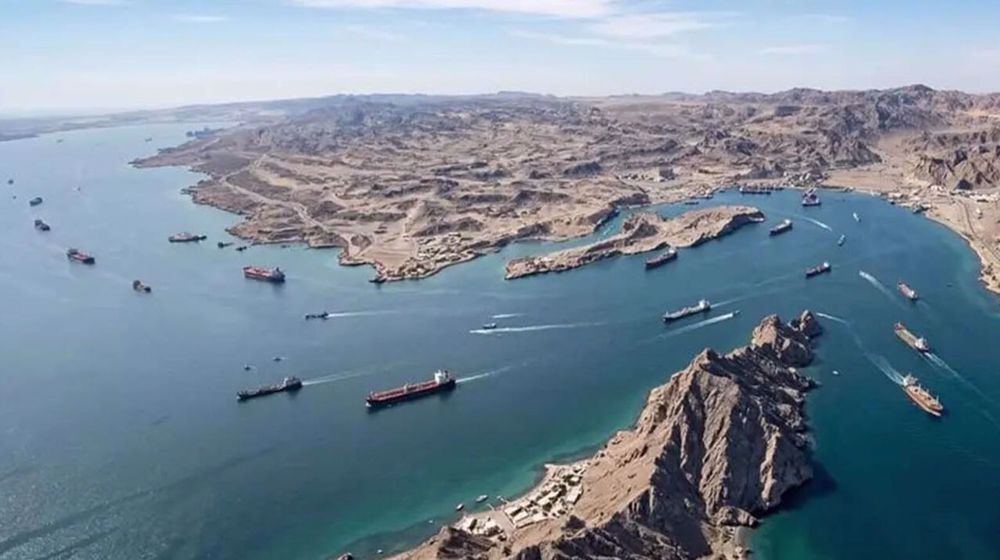
The US weaponization of dollar has backfired, with sanctioned countries such as Iran finding alternatives to the America-controlled financial system and implementing a new status in the Strait of Hormuz in the wake of the US-Israeli aggression, the Financial Times reports.
US threats to limit access to the global dollar system “now seems less fearsome”, Daniel Davies, a managing director at Frontline Analysts and author of ‘The Unaccountability Machine’, wrote in the leading British newspaper.
The diminishing impact of the dollar, the paper said, comes amid the increasing availability of alternatives to the US-controlled financial system.
The new status in the Strait of Hormuz has proved that America’s most powerful geopolitical tools has become “a weakened stick” as sanctioned countries have looked for other alternatives, it added.
Iran, one of the most sanctioned countries in the world, is demonstrating how the weaponization of the dollar is losing its effectiveness, the paper said.
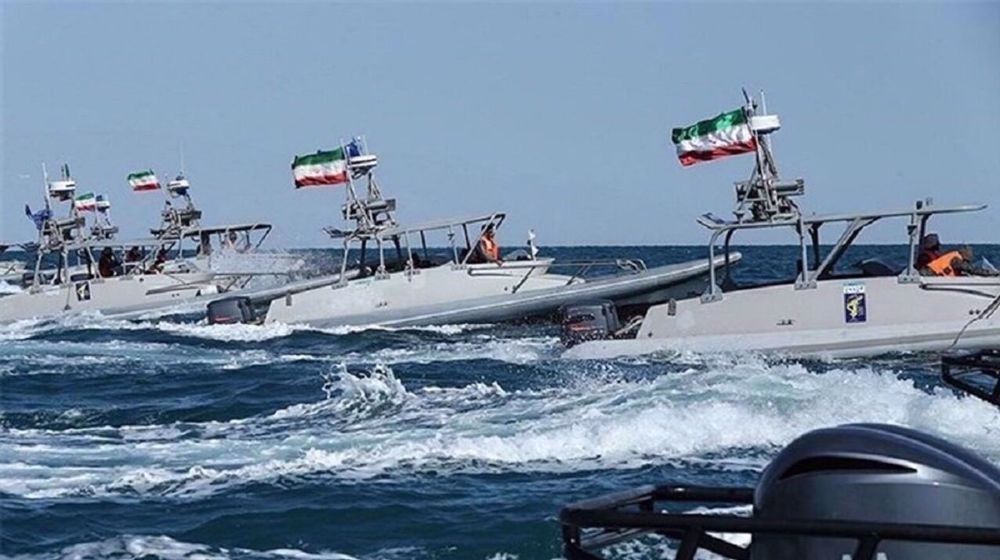
Despite comprehensive US Treasury sanctions that target nearly every aspect of the Iranian economy, Iran has continued to sell oil and even charge fees for ships seeking safe passage through the Strait of Hormuz.
As FT notes, Iranian officials have proposed that international shipping companies pay oil tanker tolls in cryptocurrency—bypassing the US-dominated financial system and signaling a shift toward alternative payment methods.
The paper cited Lloyd’s List Intelligence as saying some ships have paid as much as $2 million to Iran to ensure safe passage, with the country demanding that shipping companies pay tolls in cryptocurrency for oil tankers equivalent to $1 per barrel of oil transported.
Perhaps most concerning for US control, as highlighted in FT, is the rise of cryptocurrencies.
With decentralized networks enabling anonymous transfers of money, digital currencies like Bitcoin and stablecoins have created a parallel financial system that is largely immune to US oversight.
Countries like Iran and Russia, which are at odds with the US, have increasingly turned to these alternative systems to carry out cross-border transactions.
The decentralized nature of cryptocurrencies makes it much harder for the US to enforce its sanctions, further diminishing the dollar’s role as a global currency, the paper noted.
According to FT, Persian Gulf states, which have long relied on the dollar for oil exports, are now facing growing pressure to consider alternatives.
Henry Farrell, a political scientist cited by FT, predicted earlier this year that as the US continues to use the dollar as a tool of economic pressure, other countries will seek ways to escape its influence, accelerating the erosion of the dollar’s global supremacy.
“If the US continues to rely on the dollar’s power as a tool of geopolitical influence, it risks pushing more countries toward alternatives, potentially undermining the dollar’s central position in global finance,” the paper warned.
US-Israeli war accelerates Iran's rare earth development

Iran's expanding geographic reach beyond Hormuz
Minister: Iran has reached economic deterrence capable of resisting sanctions



Leave southern Lebanon or be kicked out: IRGC Quds Force chief warns Israel
VIDEO | Trump’s derogatory comments about PM Giorgia Meloni spark political backlash in Italy
VIDEO | Anti-fascist rally held in Bogotá ahead of presidential election
VIDEO | Gaza's hospital power shortages leave patients at risk
VIDEO | Yemenis call Iran–US MOU victory for resistance
VIDEO | Civilian toll rises in Lebanon as Israeli attacks persist despite Iran-US MoU
Outrage grows after Israel detains Palestinian ‘doctor of the poor’
VIDEO | A beachfront miracle: How a Gaza farmer dug a well by hand to ease his camp's water crisis


 PressTV NEWSLETTER
now
PressTV NEWSLETTER
now
 This makes it easy to access the Press TV website
