Strait of Hormuz is Iran’s ‘nuclear weapon’ that forced US retreat: Russia’s Medvedev
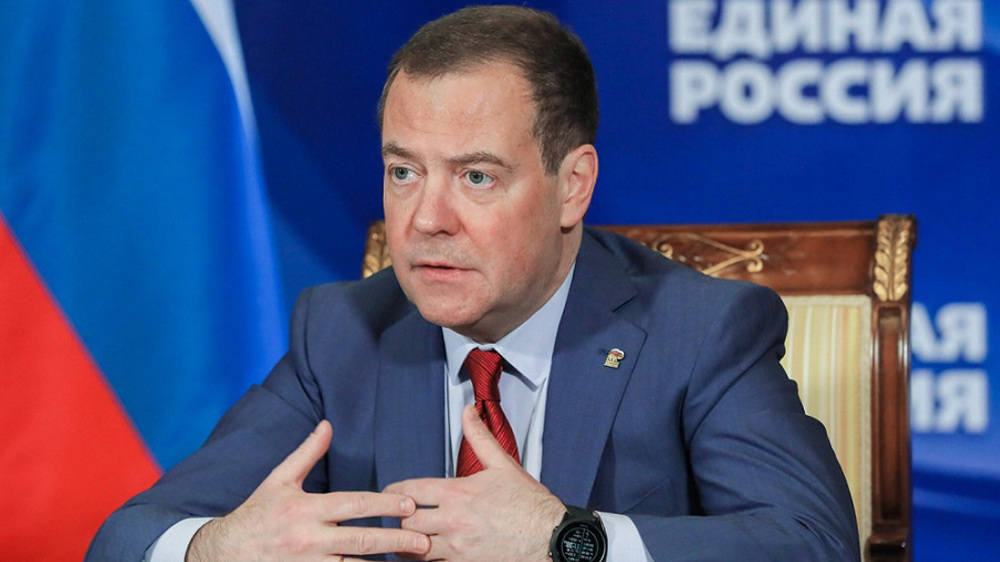
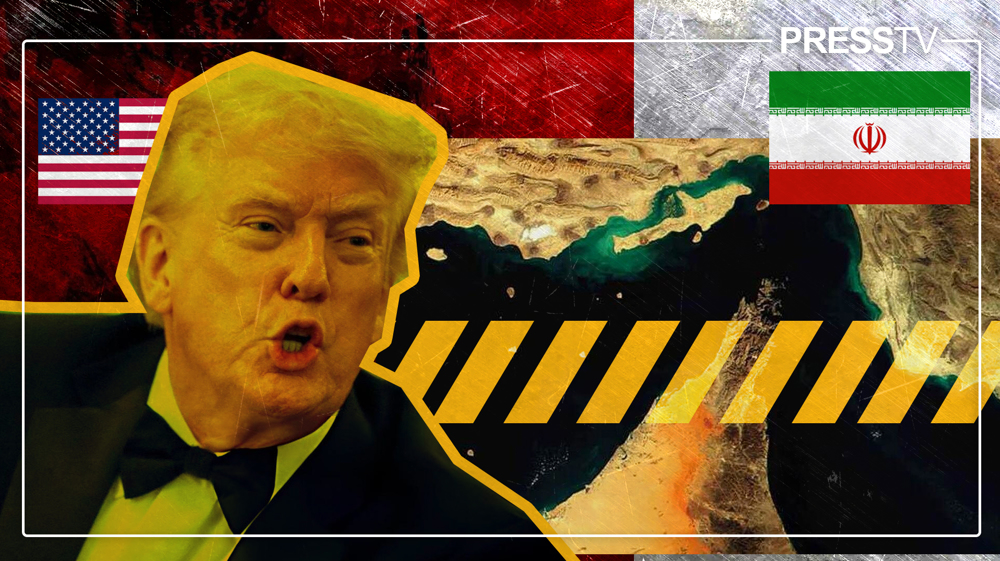
Russia’s former president, Dmitry Medvedev, says Iran’s undisputed command over the Strait of Hormuz has become its true “tested nuclear weapon” that forced the United States to retreat.
Iran and the US agreed to a two-week ceasefire on Tuesday after Donald Trump was forced to accept a 10-point proposal from Tehran. This proposal includes a permanent end to the war, the lifting of all sanctions, and the withdrawal of US combat forces from the region.
Hours after the announcement, Medvedev—currently Deputy Chairman of Russia’s Security Council—wrote on X, "It's not clear how the truce between Washington and Tehran will play out."
"But one thing is certain—Iran has tested its nuclear weapons. It is called the Strait of Hormuz. Its potential is inexhaustible," Medvedev added.
US Senator Chris Murphy says Trump's war on Iran ended in total surrender granting Iran control over the Strait of Hormuz.
— Press TV 🔻 (@PressTV) April 8, 2026
Follow: https://t.co/LWoNSpkJSh pic.twitter.com/N89rAJE3qO
Iran’s Armed Forces fought a 40-day war against two nuclear powers, the US and Israel, who have long accused Tehran of seeking an atomic weapon.
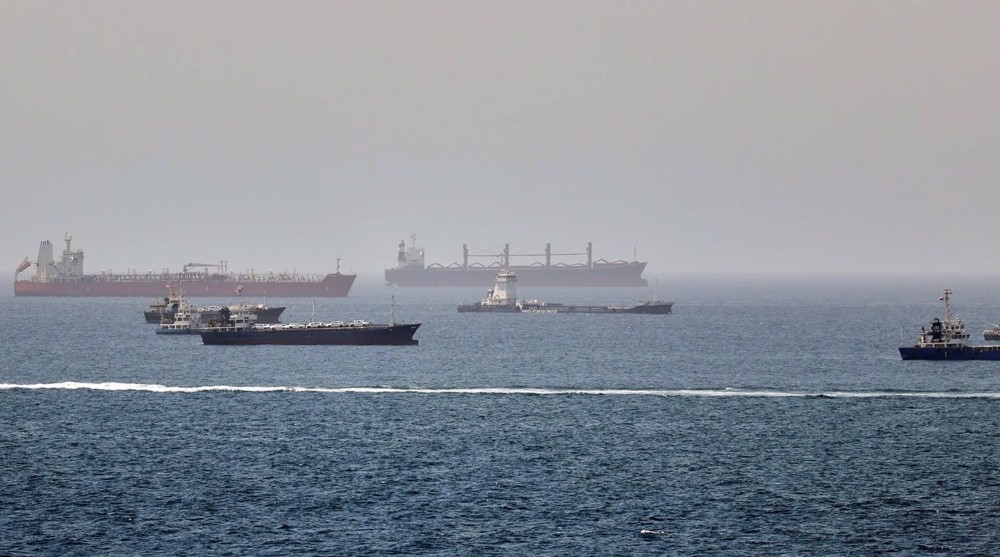
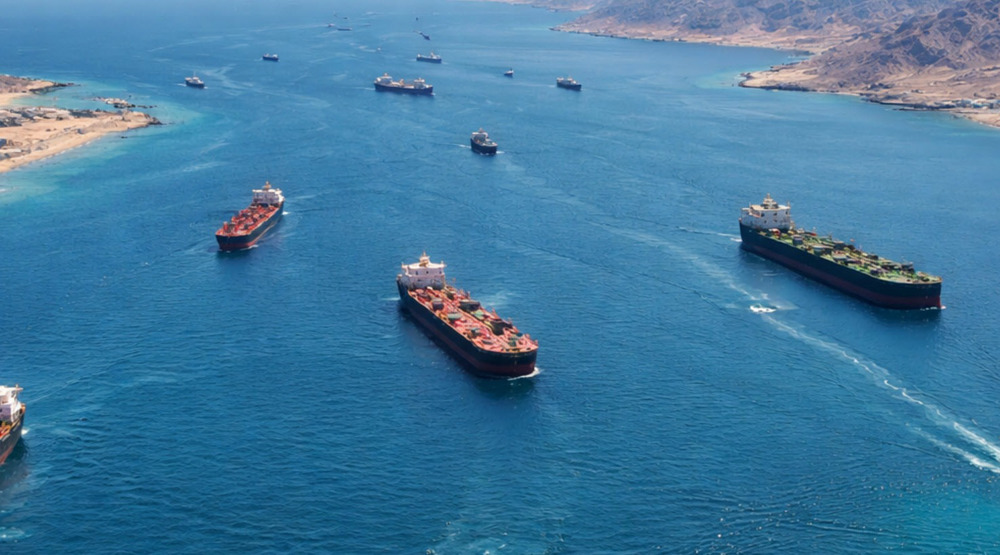
Days after the unprovoked war was launched against Iran on February 28, the Islamic Revolution Guards Corps (IRGC) imposed restrictions on transit through the Strait of Hormuz, leaving hundreds of vessels and tankers linked to the aggressors stranded in the Persian Gulf.
During the war, Iranian authorities asserted that the world's vital energy lifeline, through which nearly one-fifth of global oil typically passes, was open to everyone except the US, Israel and their allies.
The restrictions sent global energy prices soaring, with experts warning that the impact could escalate to historic levels if the confrontation continued.
Iran's 10-point conditions that the US has accepted:
— Press TV 🔻 (@PressTV) April 7, 2026
The US is fundamentally committed to:
🔹 Non-aggression
🔹 Continuation of Iran's control over the Strait of Hormuz
🔹 Acceptance of enrichment pic.twitter.com/4lTb2lsiUp
President Trump issued several deadlines for Iran to open the strait or face attacks on its vital infrastructure, including power plants. However, he extended the deadline every time after Iran threatened massive retaliation, and announced a ceasefire hours before his last deadline was approaching.
Iran’s Foreign Minister, Abbas Araghchi, announced after the ceasefire that “safe passage through the Strait of Hormuz will be possible” for a period of two weeks.
Araghchi also said that Iran would halt its defensive strikes if unprovoked attacks targeting the country were halted.

Oman backs Iran’s plan to charge Strait of Hormuz ‘service fees’

Iran, Oman launch joint Hormuz committee to discuss strait’s future governance
Oman says Strait of Hormuz not to return to its pre-war status: Report



Hezbollah MP blasts ‘sell-out’ government, says Lebanon central to any Iran-US deal
Israeli army demolishes buildings across Gaza as ceasefire violations continue
VIDEO | Press TV's news headlines
VIDEO | Thousands displaced by earthquake in Venezuela receive temporary shelters
Iran will respond decisively to any ceasefire violation: Acting defense minister
Trump criticized Spain for not meeting NATO spending targets
Arab League, Arab Parliament condemn repeated Israeli attacks on Syria
Management of Strait of Hormuz solely Iran’s responsibility: Senior MP


 PressTV NEWSLETTER
now
PressTV NEWSLETTER
now
 This makes it easy to access the Press TV website
