US-Israeli joint aggression against Iran disrupts transit in Strait of Hormuz: FM Araghchi
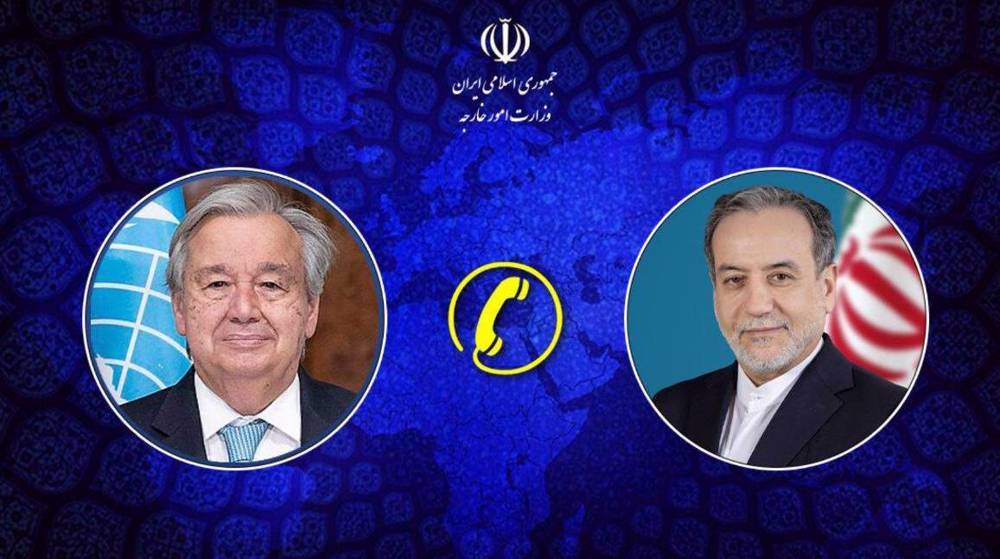
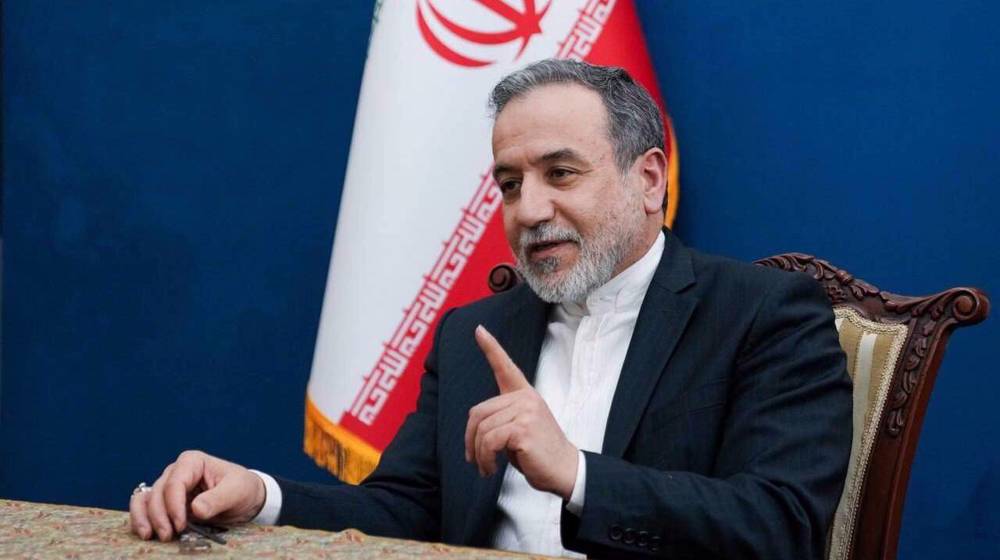
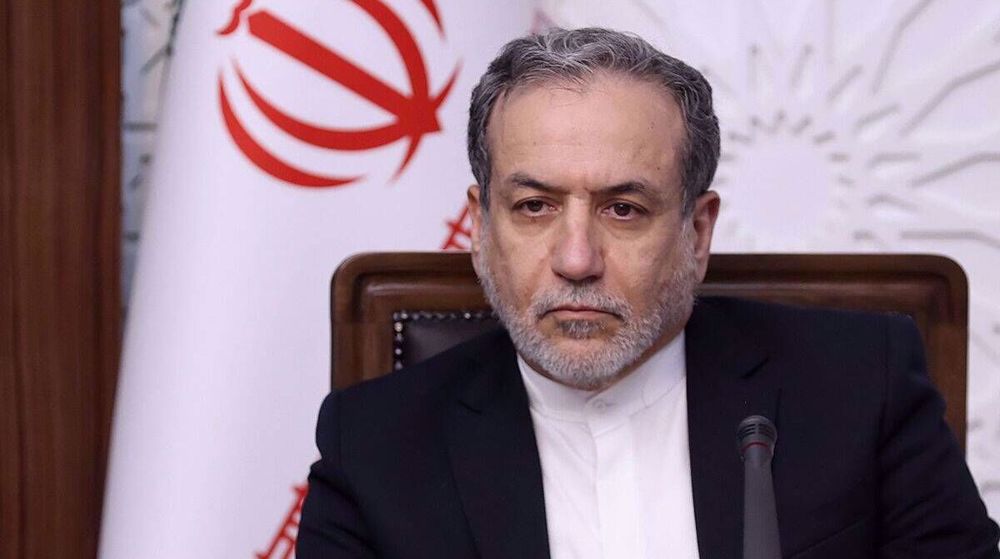
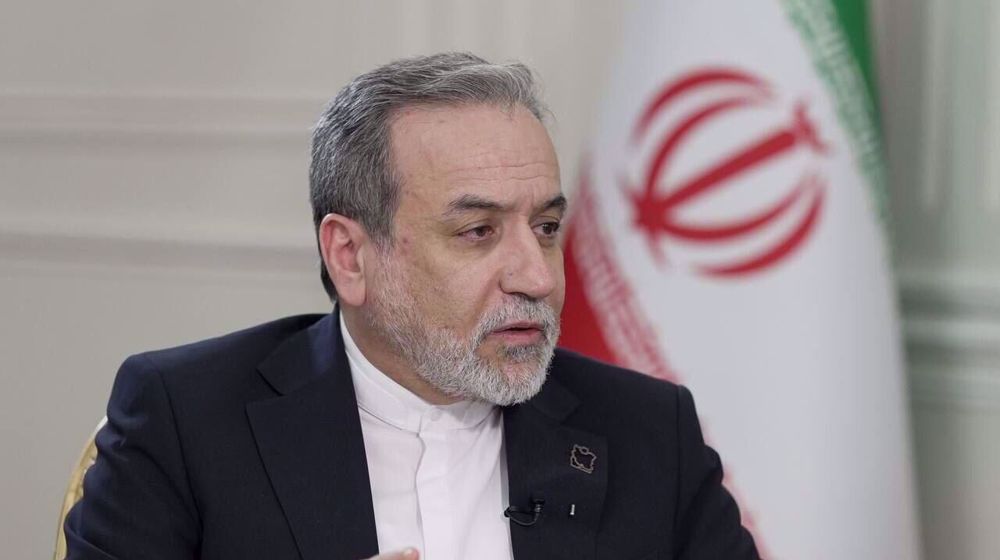
Iran’s Foreign Minister Abbas Araghchi said that recent disruptions to maritime navigation in the strategically vital Strait of Hormuz are a direct consequence of joint US–Israeli military aggression against the country.
Araghchi made the remarks in a phone call on Monday evening with UN Secretary-General Antonio Guterres, reminding the world body of its responsibility to strongly condemn the flagrant violations of international law by the US and Israel.
“The situation in the Strait of Hormuz cannot be examined in isolation from the general regional circumstances” as navigation disruptions in the waterway “stem from the war imposed [on Iran] by the United States and the Zionist regime,” Iran's top diplomat said.
“Every country or international body concerned with peace and security must, in a responsible manner and without any compromise, condemn the crimes committed by these two regimes and call for an immediate halt to their military aggression against the Iranian nation,” he added.
Araghchi further warned Guterres that sustained international inaction regarding US-Israeli violations in West Asia would lead to further aggression and exacerbate regional instability.
The FM also condemned Israel’s attacks on Lebanon and the killing of hundreds of civilians there, warning that continued impunity for the regime will threaten regional and global security.
The US–Israeli aggression on Iran began on February 28 with the assassination of the former Leader of the Islamic Revolution Ayatollah Seyed Ali Khamenei and senior Iranian officials and commanders.
Iran's armed forces have responded by launching almost daily missile and drone operations targeting locations in the Israeli occupied territories as well as US military bases and assets in the Persian Gulf countries.
The country’s naval forces have established full control over transit through the Strait of Hormuz, sending international energy and commodity prices sharply higher.
Experts believe Iran’s decisive command over the world’s most vital oil artery has left the Trump administration struggling to respond, as soaring gasoline prices have triggered a political crisis that could threaten Republican majorities in Congress ahead of the midterm elections.
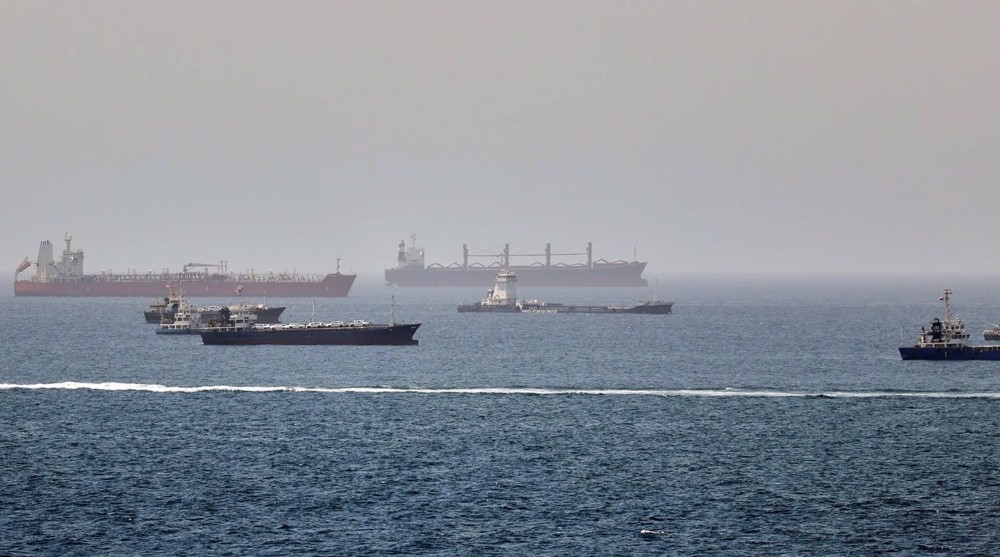
Oman says Strait of Hormuz not to return to its pre-war status: Report
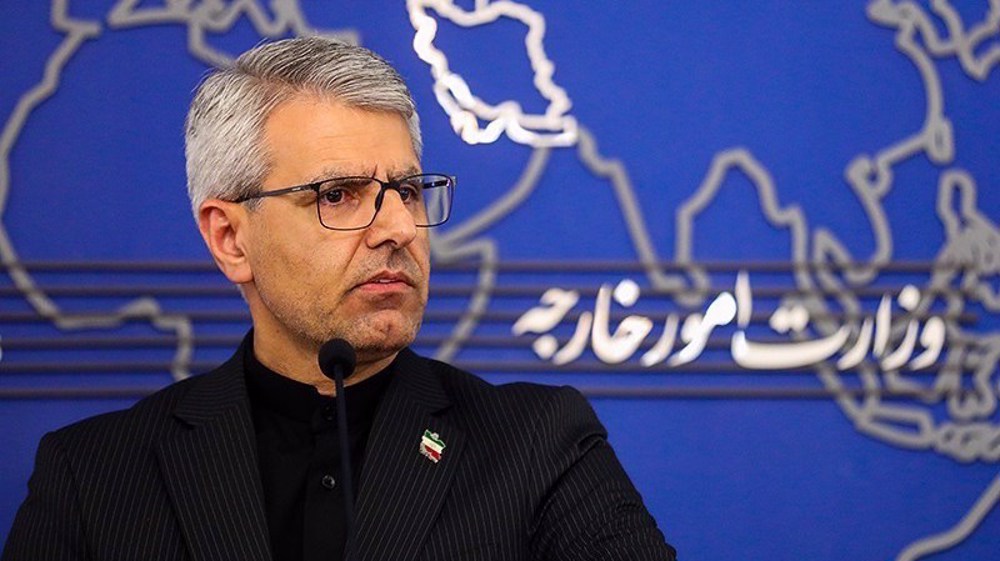
Iran: Defense capabilities essential to national security, not open to negotiation
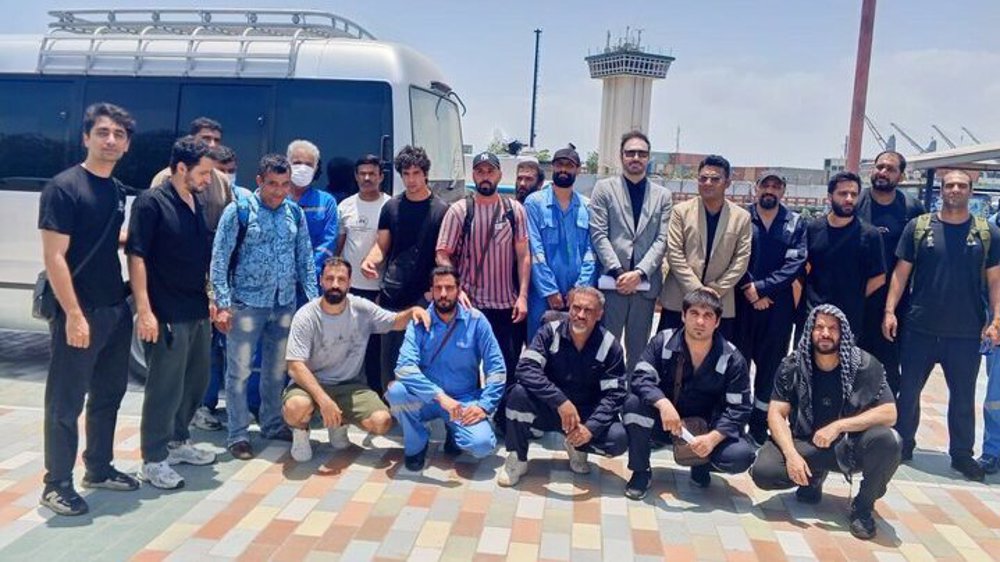
Pakistan facilitates return of 22 Iranian sailors after US unlawful seizure of tanker



Iran blasts US air raids on southern coasts as ‘flagrant violation’ of MoU
OpenAI, Anthropic release new AI models to Trump-approved customers
Severe impact of war against Iran on EU economy
Thousands flood Lebanon’s streets to reject US-backed deal with Israel
US-backed deal with Israel has ‘no legitimacy’: Top Lebanese cleric
Leader’s advisor warns US, Israel of high casualties in any future aggression against Iran
VIDEO | Freed Convoy activists return to Tunisia as Gaza flotilla detainees keep campaign alive
VIDEO | Millions unite to commemorate Imam Hussein on Ashura Day in Karbala


 PressTV NEWSLETTER
now
PressTV NEWSLETTER
now
 This makes it easy to access the Press TV website
