US officials warn of challenges posed by Iranian drones

Trump administration officials have told lawmakers during a closed-door briefing on Capitol Hill that Iran’s Shahed attack drones represent a major challenge and US air defenses would not be able to intercept them all, according to sources in the briefing.
The drones, Secretary of War Pete Hegseth and Chairman of the Joint Chiefs of Staff Gen. Dan Caine acknowledged during the briefing that was held on Tuesday, were posing a bigger problem than anticipated, two sources in the briefing told CNN.
They are known to fly low and slow, a feature that makes them more able to evade air defenses than ballistic missiles, the report noted.
Another source familiar with the briefing said the officials had made an attempt to downplay concerns about the drones and claimed that Persian Gulf state partners had been stockpiling interceptors.
House Minority Leader Hakeem Jeffries, who attended the session, meanwhile, criticized President Trump's refusal to provide Congress with tenable explanations as to why he has ordered the US military to engage in fresh aggression against the Islamic Republic.
"There’s no explanation as to what actually prompted the decision to pursue this war of choice, in the absence of any evidence that there was an imminent threat to the United States of America or American interests in the region,” he said.
Sen. Mark Kelly, who sits on the Senate Armed Services Committee, warned that “we do not have an unlimited supply."
“The Iranians do have the ability to make a lot of Shahed drones, ballistic missiles, medium range, short range and they’ve got a huge stockpile. So, at some point…, this becomes a math problem and how can we resupply air defense munitions. Where are they going to come from?” Kelly asked.
House Speaker Mike Johnson also called the US involvement "a dangerous operation."
Also on Tuesday, The Wall Street Journal published an analysis arguing that Iran’s constant firing of drones and missiles had clearly challenged the United States’ ability to reach its military objectives in the country and its capability to defend allies and assets in West Asia.

The analysis said US military and diplomatic resources in West Asia were under mounting pressure as the Islamic Republic conducted back-to-back waves of drone and missile assaults on the Israeli regime as well as on the assets of the United States in the region.
Meanwhile, a report published by a prestigious military website showed that existing air defense systems in the world were practically unable to intercept Iran's Fattah-2 missiles.
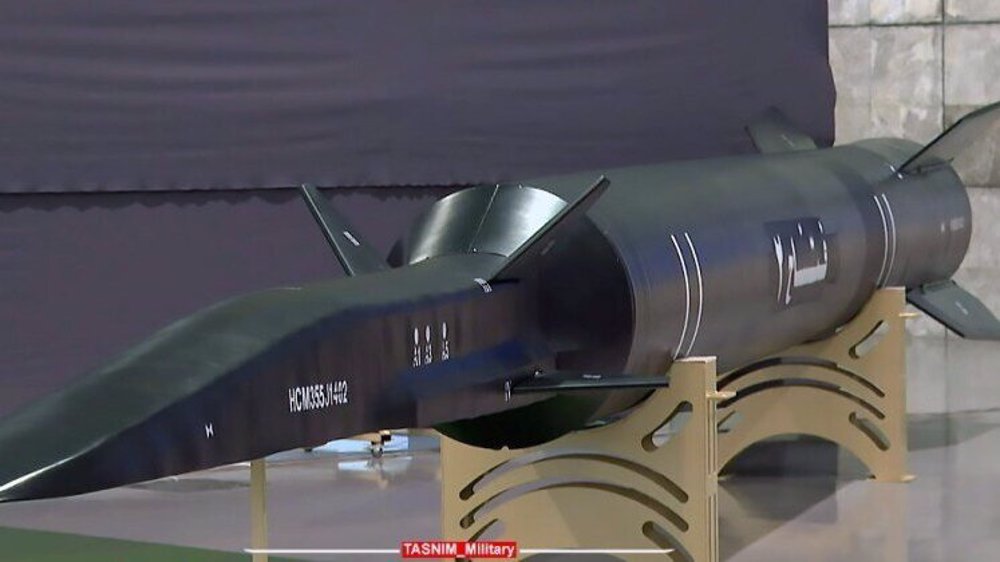
Military Watch Magazine said the missile, a hypersonic glide vehicle, which has been used against Israeli targets for the first time in the renewed aggression, had created a real challenge for the Israeli regime and the US and their much-boasted anti-missile systems.
The Islamic Revolution Guards Corps (IRGC) has launched at least 17 waves of strikes against sensitive and strategic Israeli and American targets throughout the region in retaliation for the unprovoked aggression.

The Corps has flown hundreds of ballistic missiles and explosive-laden drones towards the targets, including locations in the city of Tel Aviv and the holy occupied city of al-Quds as well as American outposts and interests in Kuwait, Bahrain, and Qatar.
It has also highlighted strikes targeting the US Navy's Abraham Lincoln aircraft carrier and an American destroyer in the Indian Ocean.

Leader’s aide: Iran, Resistance will mark end of Israeli escalation in Lebanon

‘Iran’s patience has limits,’ senior advisor to Leader warns Israel, US
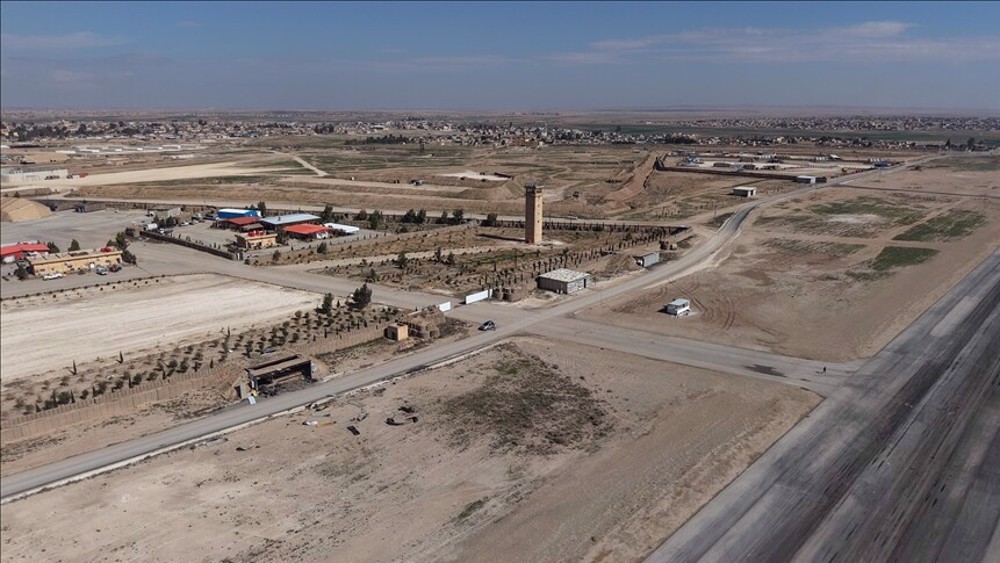
Iranian strikes damage at least 20 US military sites, satellite images show



Al-Qassam Brigades says Israeli assassinations fail to break resistance
EU considers sanctions on Israeli ministers over Sumud Flotilla abuses
Miqan wetland nominated for Ramsar listing amid ecological recovery
Israel kills 4, injures 127 in attack near hospital in southern Lebanon: Health ministry
Israel kills three Palestinians amid ongoing Gaza ceasefire violations
Israeli lobby funded US lawmakers’ luxury trips to occupied territories during Gaza genocide
Beirut retreat: Credible Iranian deterrence ends US-Israeli impunity to escalate unchecked
Martyred Leader to be laid to rest in Mashhad after funeral processions in three cities





 PressTV NEWSLETTER now
  This makes it easy to access the Press TV website