Iraqi foreign minister tells US envoy: Government formation ‘internal matter’
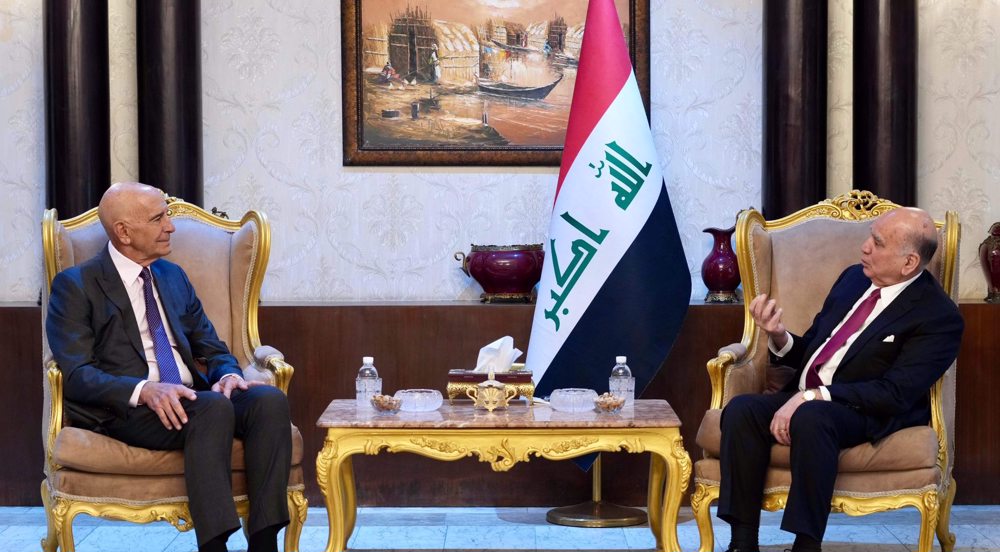
Iraqi Foreign Minister Fuad Hussein says the establishment of a new government is an “internal matter,” weeks after the US threatened to withdraw its support for the West Asian country.
During a meeting with the US ambassador to Turkey and special envoy for Syria and Iraq, Tom Barrack, in Baghdad on Monday, Hussein emphasized “the importance of maintaining communication and coordination in the upcoming phase until the Iraqi government formation process is finalized,” the Foreign Ministry said in a statement.
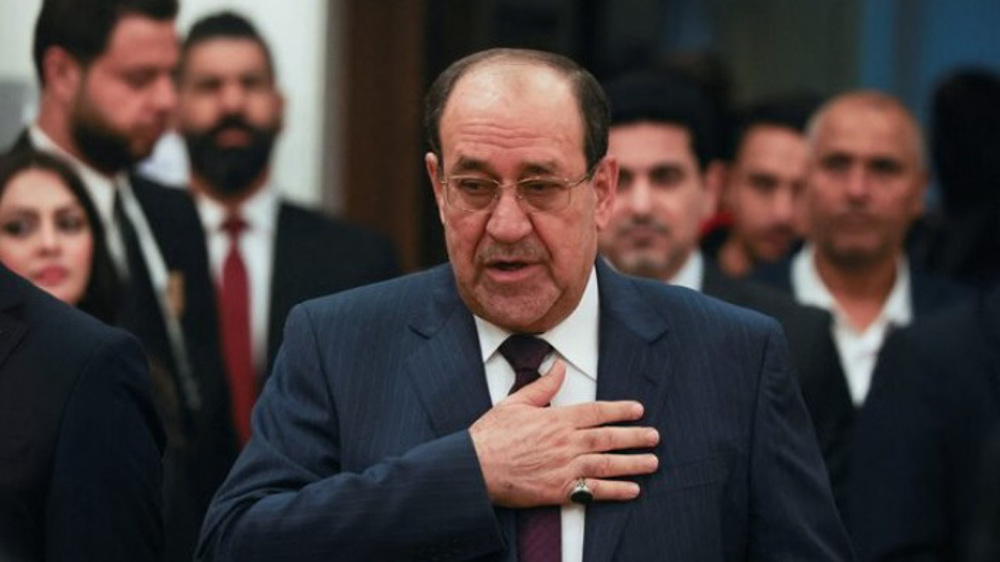
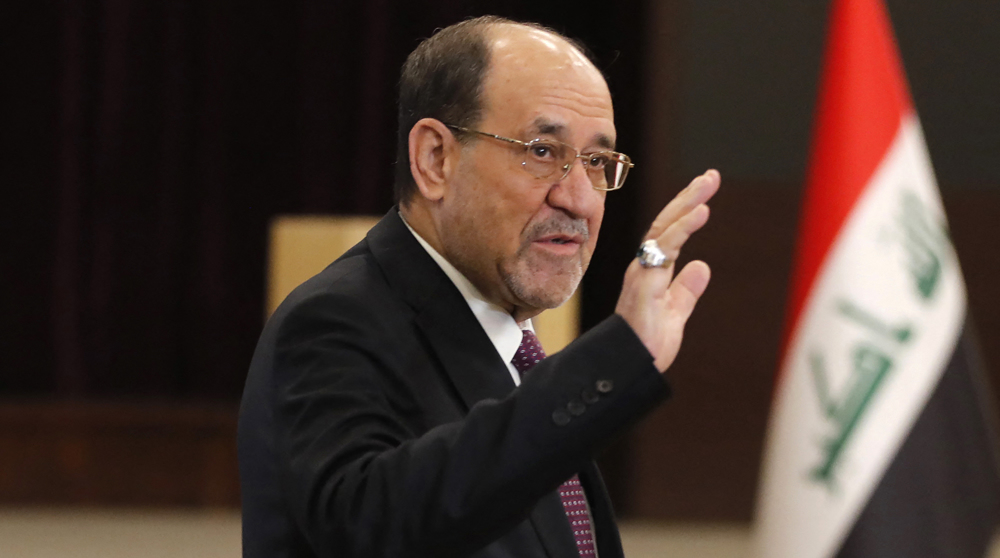
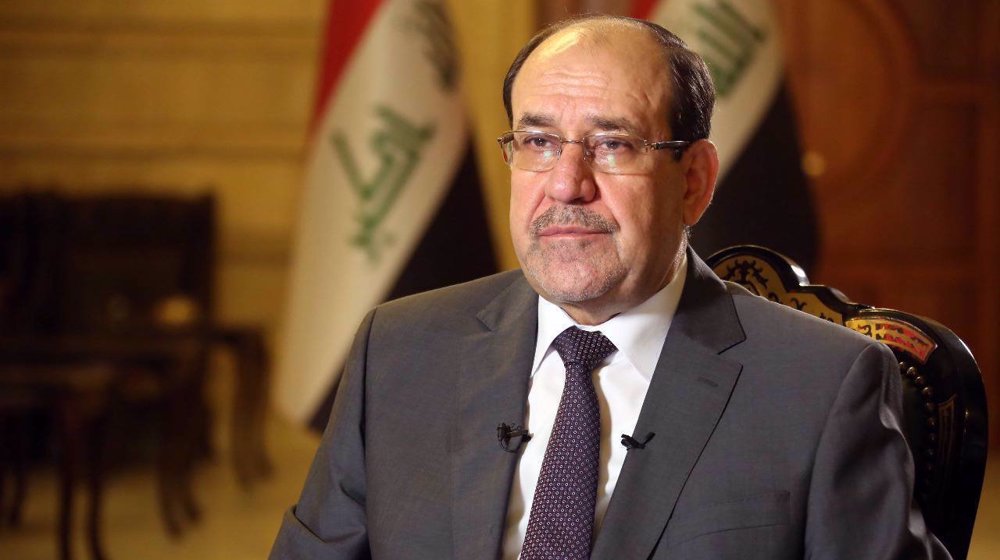
Last month, Iraq’s main Shia alliance, which holds a parliamentary majority, announced the nomination of former Prime Minister Nouri al-Maliki for premiership.
Earlier this month, an Iraqi government adviser revealed that Washington had sent a message to the Coordination Framework, warning of potential US sanctions should the bloc proceed with Maliki’s candidacy.
The unnamed adviser said on February 16 that the US side threatened sanctions against the State Oil Marketing Organization (SOMO), the Central Bank of Iraq, as well as security and diplomatic sectors, in addition to political figures and former and current officials.
The advisor suggested that the economic sanctions could involve curbs on Iraqi oil exports, constraints on the Iraqi government’s access to US dollars, or penalties on banks and financial institutions.
The measures could result in a nearly complete stop in international trade and immense challenges in disbursing salaries for the public sector.
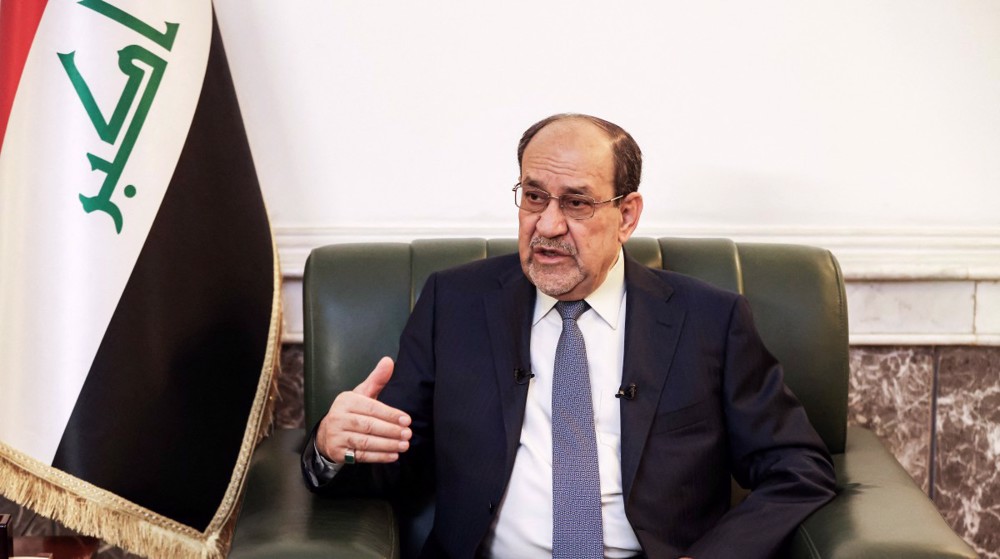
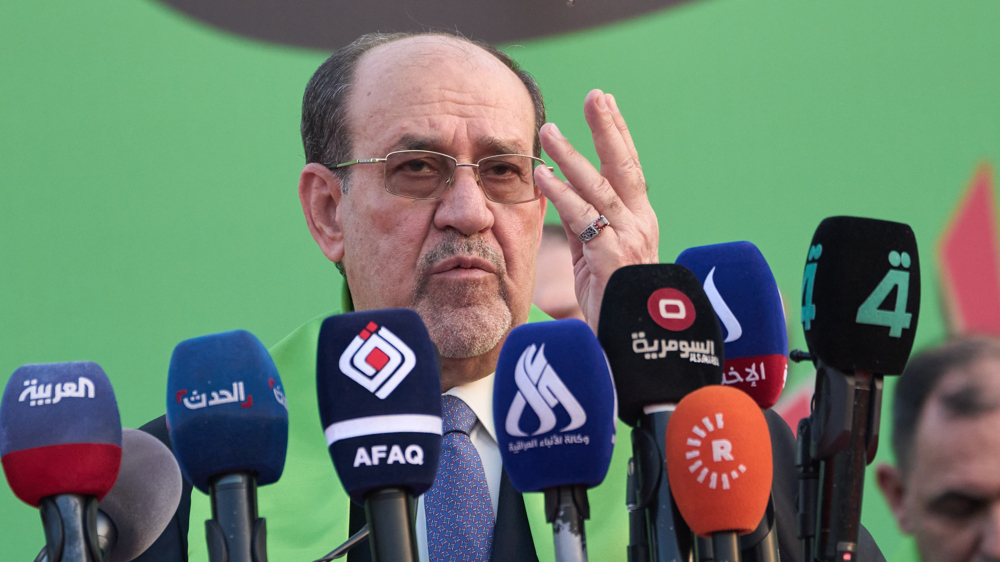
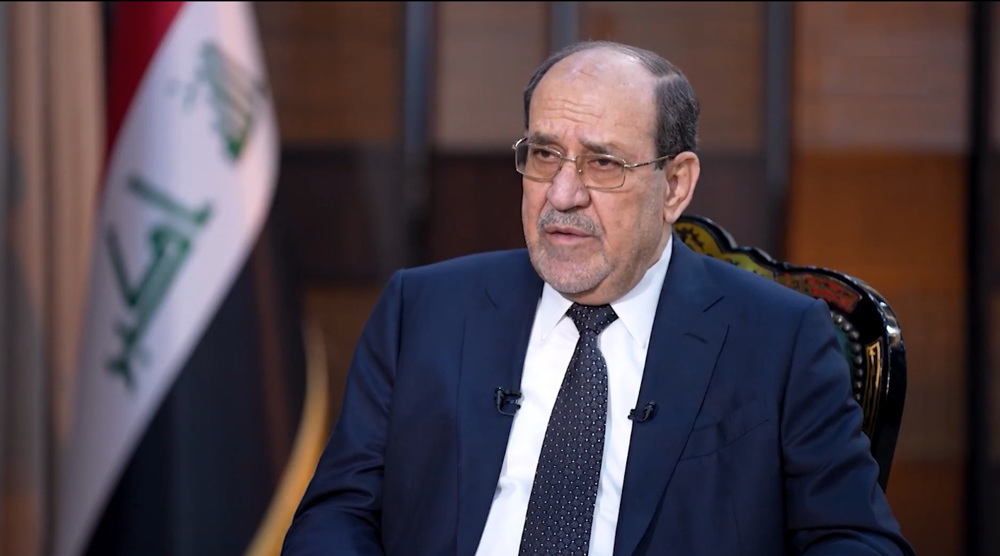
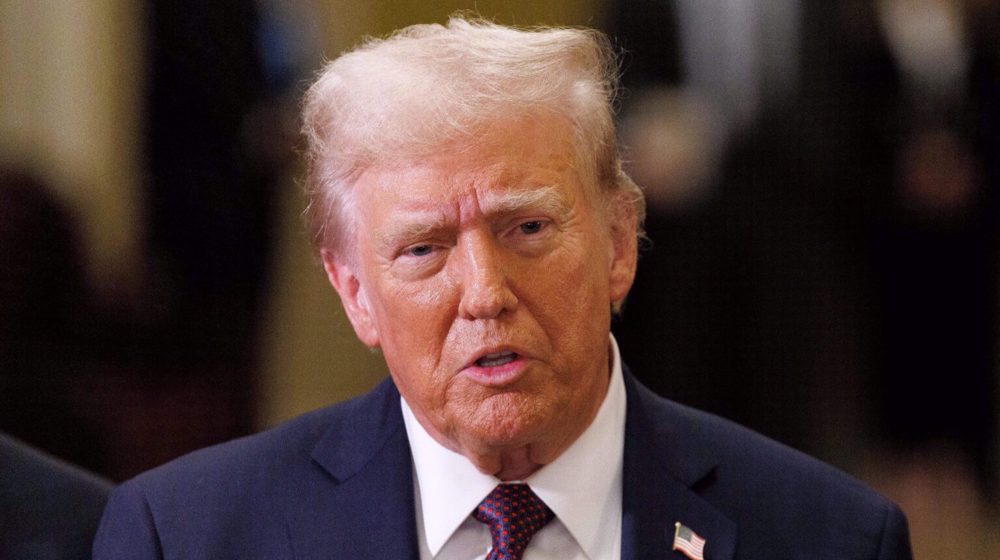
Maliki said in an interview with AFP on Monday that he will not withdraw his candidacy despite US President Donald Trump’s threats to end all Washington’s support for Iraq if he took the post of prime minister.
“I have absolutely no intention of withdrawing out of respect for my country, its sovereignty, and its will. No one has the right to say whom we can or cannot vote for,” he said.
“I will not withdraw until the end.”
He said countries have the right to set conditions in their dealings with Iraq.
Maliki served as Iraq’s prime minister from 2006 to 2014 and as vice president between 2014 and 2015 and again from 2016 to 2018. He currently heads the Islamic Dawa Party political movement.
Prime Minister Mohammed Shia’ al-Sudani has opted not to seek a second term.

Islamic Resistance in Iraq vows to strike US bases if anti-Iran aggression soars
Islamic Resistance determined to expel US forces, firms from Iraq: Nujaba chief
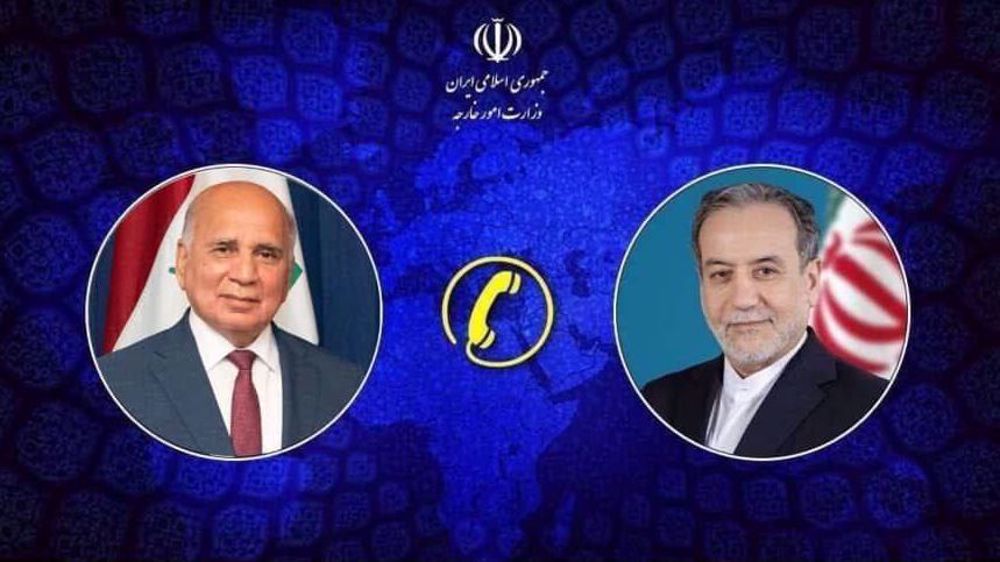
Iran, Iraq reaffirm commitment to consultations to maintain regional peace and security


US concealing dozens of casualties from Iranian missile strikes: Report
Iran FM congratulates Khalil al-Hayya on appointment as Hamas political chief
Ansarullah: Maritime ban on Saudi Arabia payback for ignoring Yemen's demands
US can’t return to all-out war against Iran amid missile shortages: Pentagon official
VIDEO | 'Hope for peace but prepare for war': Analyst on electing Hamas's new head
VIDEO | 'Yemenis said it very clear, a blockade will be faced by blockade': Commentator
VIDEO | Press TV's news headlines
Iran's interior minister visits Pakistan to follow up on agreements, boost ties


 PressTV NEWSLETTER
now
PressTV NEWSLETTER
now
 This makes it easy to access the Press TV website
