ICE quietly buys warehouses for major detention expansion, catching local officials off guard
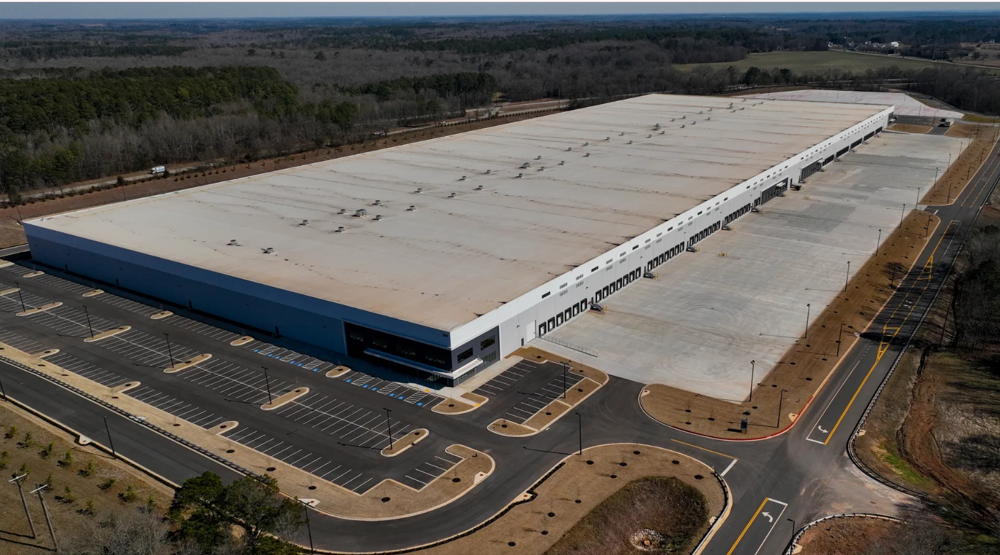
US federal immigration authorities are acquiring large warehouse properties nationwide as part of a sweeping effort to expand detention capacity, often without notifying local officials before deals are finalized.
In Socorro, a city of about 40,000 near El Paso, local leaders discovered that the Department of Homeland Security (DHS) had already completed a $122.8 million purchase of three warehouses totaling more than 826,000 square feet.
The properties are expected to be converted into detention facilities operated by US Immigration and Customs Enforcement (ICE).
Mayor Rudy Cruz Jr. said city officials were not contacted before the transaction was finalized, prompting frustration in the largely Hispanic community.
“Nobody from the federal government bothered to pick up the phone or even send us any type of correspondence letting us know what’s about to take place,” he said.
Residents later voiced concerns at a lengthy City Council meeting, questioning how the project might affect infrastructure and public resources.
Socorro is among at least 20 communities identified in ICE’s $45 billion plan to expand detention operations.
Documents released earlier this month by New Hampshire’s governor’s office indicate the agency aims to increase national detention capacity to 92,000 beds.
Since US President Donald Trump returned to office, the number of detainees has climbed to approximately 75,000, up from about 40,000, according to federal figures.
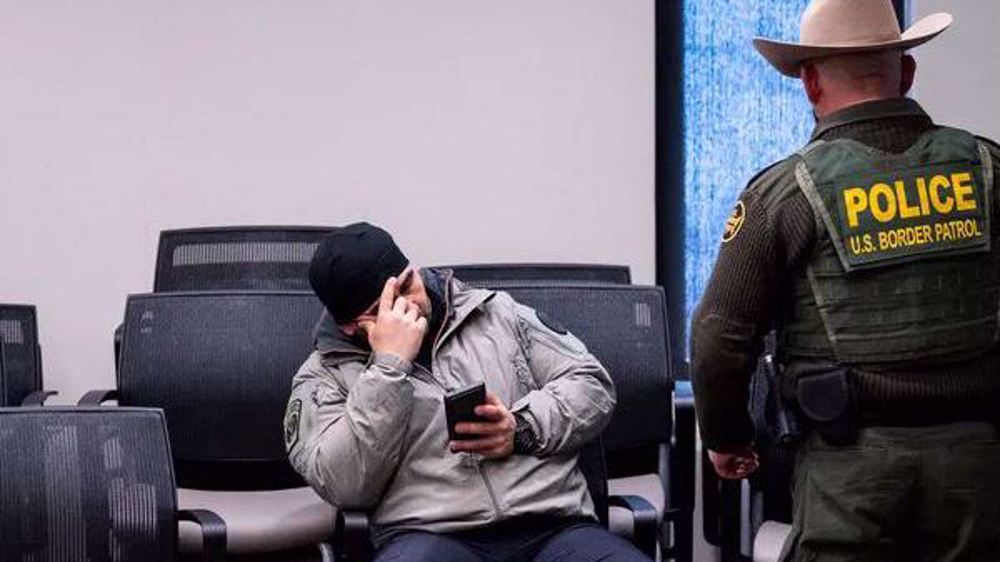
DHS has confirmed it is seeking additional space but has not disclosed locations prior to acquisitions. The agency maintains the facilities will meet federal detention standards and has defended its planning process.
In Berks County, Pennsylvania, officials said they learned only after a sale closed that ICE had purchased a warehouse in Upper Bern Township for $87.4 million, raising worries about lost property tax revenue.
In Social Circle, Georgia — a city of roughly 5,000 residents — leaders questioned whether local water and sewage systems could support a proposed facility that may hold up to 10,000 detainees.
The expansion is being funded through legislation passed last year that significantly increased DHS’s budget.
The Trump administration is reportedly using military contracting mechanisms to expedite construction and acquisition, a move critics argue reduces transparency.
In Socorro, residents also cited concerns about detainee welfare, referencing recent deaths at an ICE facility at Fort Bliss.
Some speakers urged city leaders to explore legal options, while others pressed for greater communication from federal authorities.
Federal officials say they have conducted due diligence to ensure the projects will not overwhelm local utilities. But in several communities, uncertainty remains as local leaders seek more information about the scale and long-term impact of the planned detention centers.

Majority of US voters say Trump's war on Iran not worth the cost: Poll

Hind Rajab Foundation hails ‘significant victory’ after Israeli minister cancels US visit
Deputy FM links martyrdom of Leader to enduring American crimes against Iran



UNHRC demands Israel immediately release abducted Gaza hospital director
After Tehran, millions join funeral prayers for martyred Leader, family members in Qom
Mephistopheles in Berlin: Iran slams German FM’s Faustian lies on the Strait of Hormuz
VIDEO | Former UN deputy secretary-general says overhaul urgently needed
VIDEO | SCO pushes for new dollar-free financial order
Senior official: ‘Blood of martyred Leader ignites popular awakening’
‘Speak with respect, Mr. Trump; or Iranians will reply in differnt language’: SNSC chief
Fresh Israeli attacks kill at least 6 in Gaza amid continued ceasefire violations


 PressTV NEWSLETTER
now
PressTV NEWSLETTER
now
 This makes it easy to access the Press TV website
