Trump administration advances Saudi nuclear deal, leaves door open to enrichment: Report
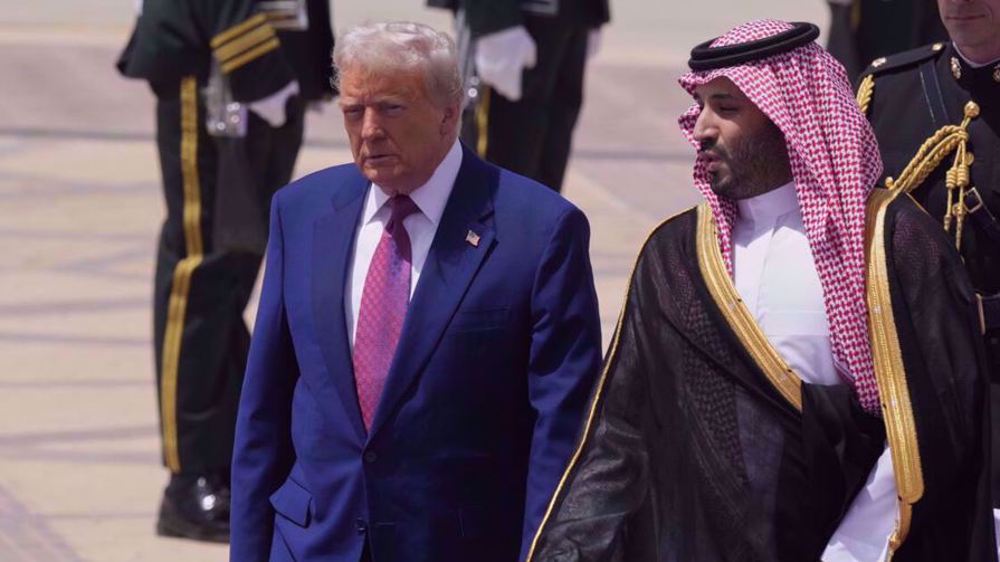
The Trump administration has informed Congress of its pursuit of a civilian nuclear cooperation agreement with Saudi Arabia, which may not include the strict non-proliferation conditions typically required in similar US accords, a new report reveals.
According to a Reuters report published on Friday, the proposed framework, known as a “123 Agreement,” is necessary under US law before significant exports of American nuclear materials or technology can take place.
Previous agreements, such as the one with the United Arab Emirates, have explicitly prohibited partners from enriching uranium or reprocessing spent nuclear fuel, both of which are sensitive activities that can be used in developing nuclear weapons.
However, according to the Reuters report, the draft US-Saudi agreement does not expressly forbid uranium enrichment. Instead, it refers to “additional safeguards and verification measures” in sensitive areas of nuclear cooperation, leaving room for potential Saudi enrichment activity.
The potential move would mark a major departure from the longstanding US non-proliferation policy in the West Asia region.
In addition to the 123 Agreement, some US lawmakers have urged the administration to require Riyadh to adopt the “Additional Protocol” with the International Atomic Energy Agency (IAEA), which grants the UN agency expanded authority to inspect nuclear facilities, access data, and investigate undeclared sites.
The UAE signed the Additional Protocol in 2009 as part of its nuclear cooperation arrangement with Washington.
The administration sent a preliminary notification to congressional committee leaders in November, a necessary step if it does not intend to pursue the Additional Protocol, and the finalized agreement could be submitted to Congress by 22 February, triggering a 90-day review period.
During this time, the House and Senate could block the deal by passing resolutions of disapproval.
Saudi officials have long argued that the kingdom holds significant uranium reserves and should retain the right to develop a complete nuclear fuel cycle.
Saudi Energy Minister Prince Abdulaziz bin Salman said last year that the kingdom would enrich uranium and produce “yellowcake,” a processed uranium concentrate created after mining but before enrichment.
Analysts say allowing enrichment could lead to a transformative shift in regional nuclear policy, potentially encouraging other states to seek similar capabilities.
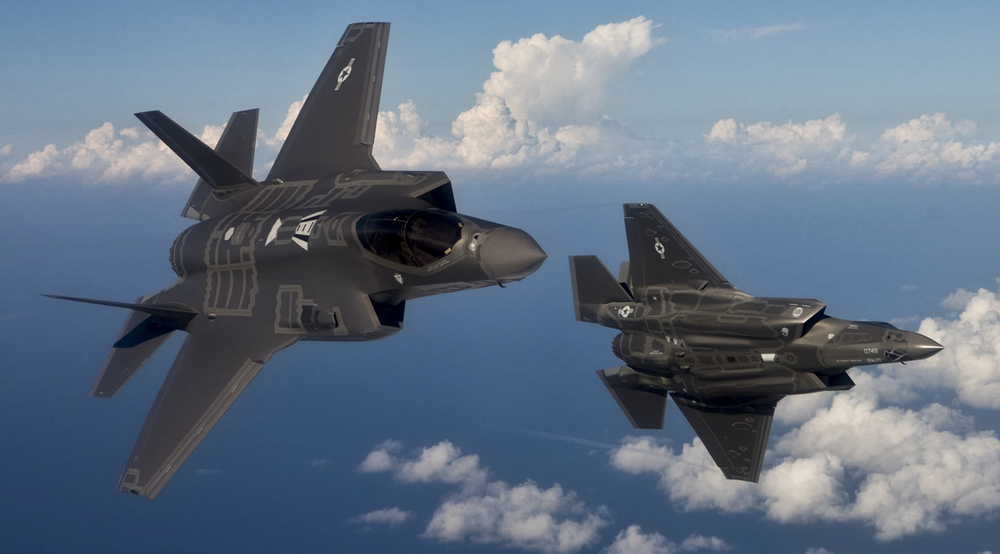
The nuclear negotiations come amid broader US-Saudi defense and economic talks, including discussions over arms sales, such as F-35 fighter jets, while also addressing concerns related to Israel’s qualitative military edge.
Supporters of the nuclear agreement argue that US participation would ensure American oversight and commercial leadership in the kingdom’s emerging nuclear sector.
The final determination of whether the agreement proceeds in its current form is expected to be made through congressional review.
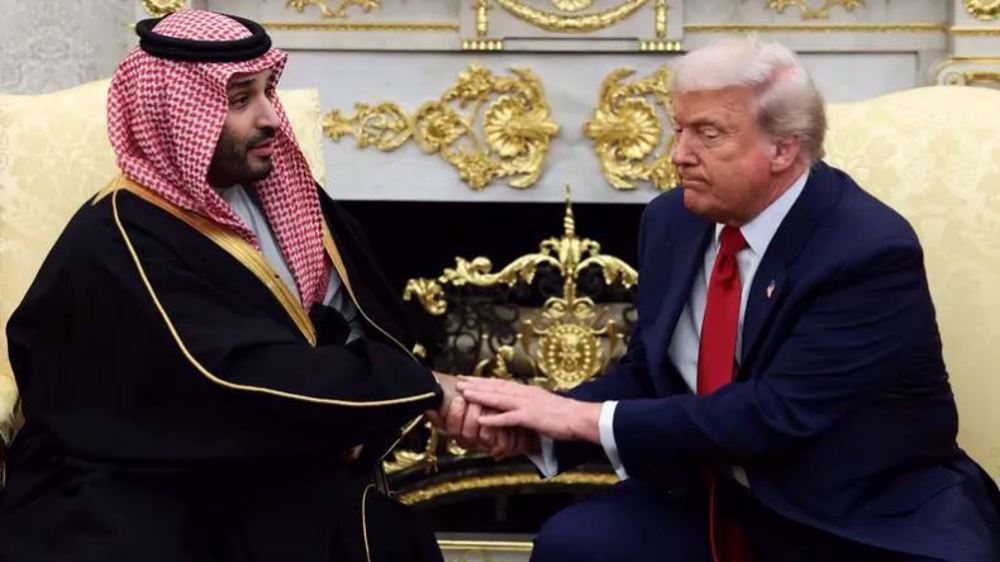
US President Donald Trump and Saudi Crown Prince Mohammed bin Salman, known as MBS, have already signed a number of agreements, including deals on nuclear cooperation, arms sales, artificial intelligence, and critical minerals.
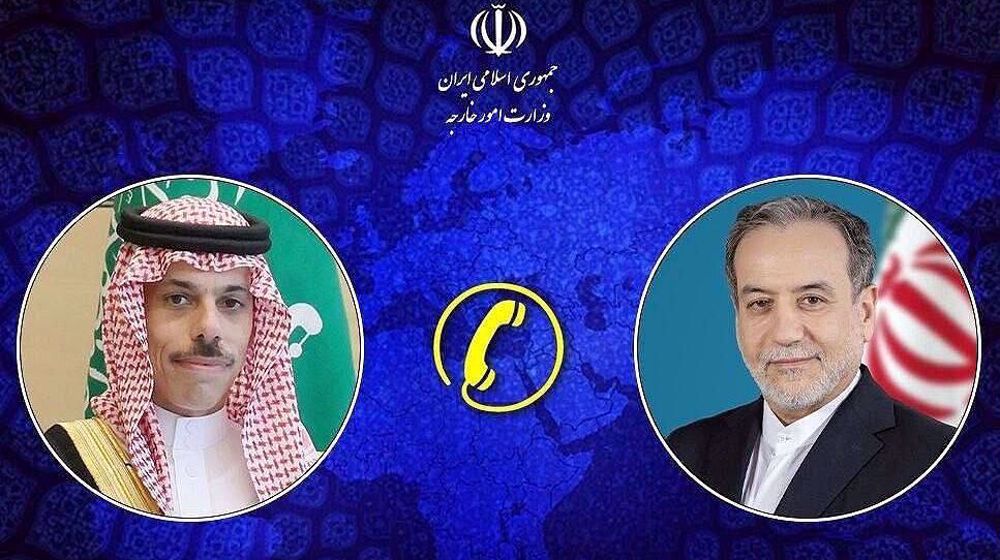
Iran, Saudi FMs hold phone talks as Persian Gulf states rethink US ties
New Ankara-Riyadh corridor fuels Israeli anxiety amid tensions with Turkey: Report
Millions of pilgrims complete Arafat rites in pivotal moment of Hajj journey



Most Americans frustrated with US government, believe Founding Fathers would be disappointed: Poll
No agreement complete without withdrawal of Israeli forces: Hezbollah MP
In black and tears: Millions in Iran, globe observe Ashura to mourn Imam Hussein's martyrdom
Republican rift deepens as Trump pressures Senate over Iran war rebuke
VIDEO | Canada steps up immigration scrutiny during World Cup
‘Neither commit oppression, nor accept it’: Iranian president cites lesson from Imam Hussein
Israel steals 115 acres of Palestinian lnd in latest West Bank settlement grab
North Korea commissions new nuclear-armed warship



 PressTV NEWSLETTER
now
PressTV NEWSLETTER
now
 This makes it easy to access the Press TV website
