Saudi Arabia-Greece fiber optic project to pass through Syria instead of occupied territories: Report
Saudi Arabia wants Syria, not the occupied territories, to serve as the transit route for a fiber-optic cable designed to connect the kingdom to Greece through the Mediterranean Sea, a report says.
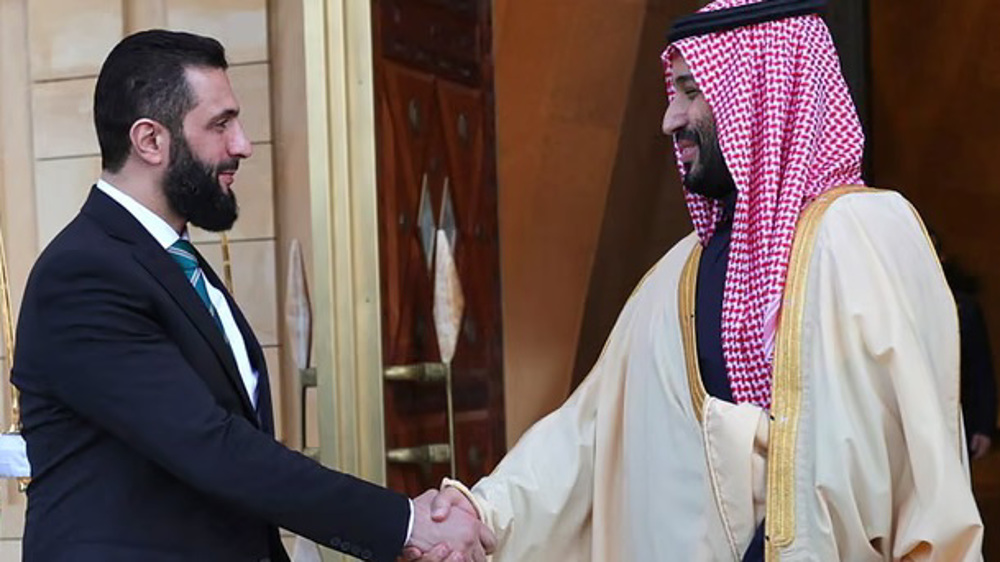
The kingdom’s insistence on routing the connection through Syria, rather than the territories as previously discussed, comes as Riyadh seeks to bolster the standing of Syria’s new US- and Israeli-backed rulers, the Middle East Eye reported on Thursday.
Athens, for its part, has been positioning itself as a bridge between Europe and the West Asia region in sectors such as energy, real estate, and Artificial Intelligence, it added.
Greece and Saudi Arabia announced the East to Med data Corridor (EMC) project in 2022. The initiative is a joint partnership between Saudi Telecom (STC), Greece’s electricity provider PPC, Greek telecoms and satellite applications company TTSA.
At the time, Saudi Arabia was engaged in talks with the United States on a deal that would have seen it normalize relations with the Israeli regime.
Two years later, the Hayat Tahrir al-Sham Takfiri terrorist group led by former Daesh and al-Qaeda commander Abu Mohammed al-Jolani launched a wholesale offensive throughout Syria.
The Israeli regime markedly increased its attacks on the Arab country’s civilian and defensive infrastructures simultaneously during the offensive that overthrew Syria’s democratically-elected government of Bashar al-Assad.
Ever since the takeover, the United States has also been rapidly warming up to Syria's new officials.
Syria’s Jolani says Trump didn’t raise al-Qaeda ties at White House meetinghttps://t.co/bUJno8xtVQ
— Press TV 🔻 (@PressTV) November 11, 2025
“Saudi Arabia asking for transit through Syria is new. People are looking for additional terrestrial routes between the Indian Ocean and the Mediterranean. Syria is another option, if people feel comfortable with the evolving political situation there,” Julian Rawle, a US-based submarine fiber-optic cable consultant, told the MEE.
Investment drive in Syria
“For Saudi Arabia, Damascus is at the heart of regional connectivity,” a western official familiar with Riyadh's investment drive said. “The Saudis want the roads, cables and trains to go through Syria."
In February, STC announced it would invest about $800m in Syria’s telecommunications infrastructure. The kingdom’s state news agency said the plan was to “connect Syria regionally and internationally through a fiber-optic network extending over more than 4,500 kilometers.”
Kristian Coates Ulrichsen of Rice University’s Baker Institute said the move reflected broader regional changes.
“A project like this is consistent with Saudi attempts to reintegrate Syria to the regional fold,” he said.
“This is indicative of the shift in Riyadh’s attitude,” he told Middle East Eye.

'Digital Apartheid': Meta lets Israeli settlers profit from terror on Palestinians

Spain summons envoy, others blast Israeli kidnap of Gaza flotilla crew

‘Maritime piracy, terrorist act’: Iran urges global unity to free Sumud 2 flotilla



Iran Judiciary chief: US cannot impose will at talks after failing on battlefield
'Digital Apartheid': Meta lets Israeli settlers profit from terror on Palestinians
VIDEO | Israel weaponizes water against Palestinians
VIDEO | Gaza bread crisis: 30 bakeries struggle to feed millions amid siege
VIDEO | Ethiopia’s fuel crisis worsens as US-Israeli imposed war on Iran disrupts gas supplies
VIDEO | Hunger in the shadow of ceasefire: Gaza’s children fight malnourishment
'There's not much you can do': Israel confirms Hezbollah drone nightmare
31 million and counting: 'Janfada' campaign unites resilient Iranian nation against enemy


 PressTV NEWSLETTER
now
PressTV NEWSLETTER
now

 This makes it easy to access the Press TV website
