Iran, Egypt finalize decision to restore full diplomatic ties with ambassador exchange: Envoy
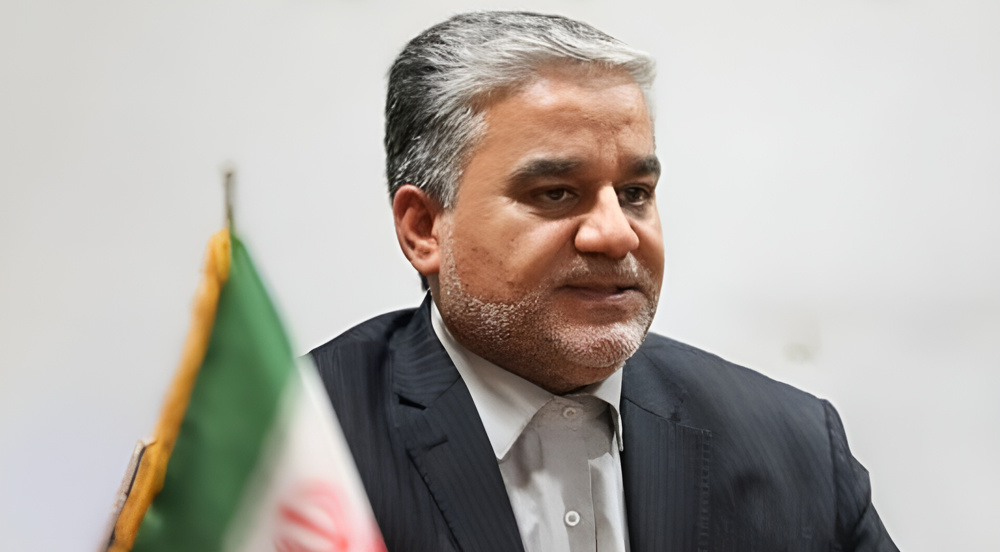
The head of Iran's Interests Section in Egypt says Tehran and Cairo have definitively decided to exchange ambassadors, describing bilateral relations as having entered an advanced and expanding phase amid intensified diplomatic engagement and growing coordination on regional issues.
“The decision to exchange ambassadors has effectively been made, and my appointment at the ambassadorial level itself testifies to this decision,” Mojtaba Ferdosipour said in an interview with Al Jazeera Thursday.
“Political will exists fully at the leadership level of both countries, and the only remaining issue is agreement on the timing of the official announcement,” he added.
Ferdosipour said there are almost weekly telephone contacts between the foreign ministers of Iran and Egypt for consultation and coordination, and that overall, about 70 percent of the two countries’ views on regional dossiers had moved closer to one another.
He said relations between Iran and Egypt have entered an advanced and expanding stage, and that the decision to exchange ambassadors between the two countries has been definitively made.
“The relations and shared bonds between Iran and Egypt are deeper and more extensive than those with many other countries, and in recent years, considerable efforts have been made by the leaders of the two countries to develop ties,” he said.
Referring to the holding of more than 15 meetings at the level of the two countries’ foreign ministers, Ferdosipour added that “In addition, meetings have been held at various levels, including between the ministers of health, justice, tourism, and energy. Some of the agreements reached have entered the implementation stage, while others are still under review.”
The head of Iran’s interests section in Egypt also announced the establishment of a joint political consultation committee between the two countries, noting that two meetings have so far been held within the framework of this mechanism.
Ferdosipour added that during the joint committee meetings, issues such as cooperation between the judicial institutions of the two countries, prisoner exchange, and the signing of judicial memoranda of understanding were discussed, and that a significant portion of the talks was devoted to joint coordination regarding regional developments.
“Iran has no obstacle to supplying Egypt’s oil needs and is fully prepared in the event of an official request from the Egyptian side; however, no request has so far been submitted by Cairo,” he said, when asked about meeting Egypt’s oil needs.
Referring to Iran’s previous investments in Egypt, Ferdosipour said that in the past, Iran had invested in areas such as oil storage in the port of Alexandria, the automotive industry, truck manufacturing, and the textile industry in Egypt, and reviving these investments is now on the agenda of the joint committees.
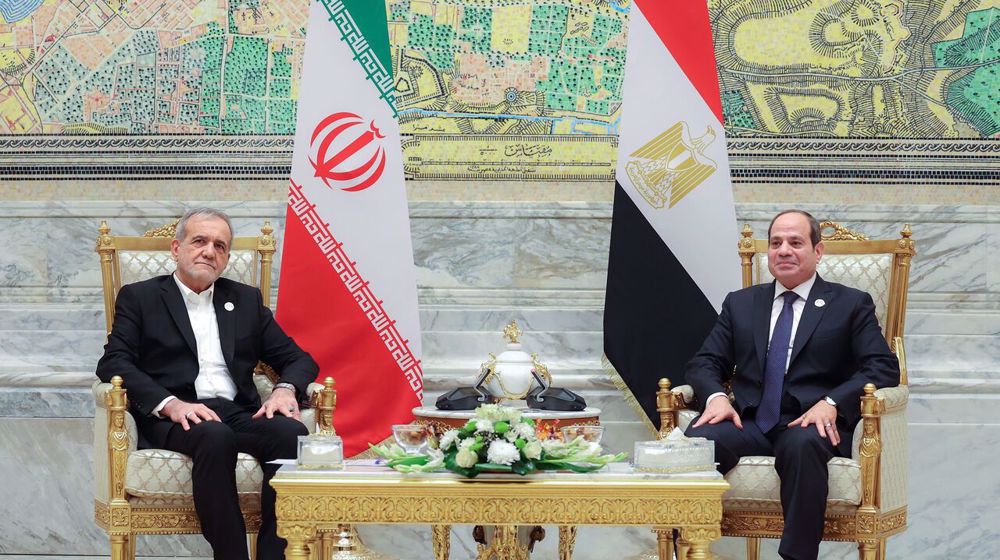
Iran and Egypt, two significant Muslim-majority nations, have had strained relations since the 1979 Islamic Revolution. Tensions were exacerbated by Egypt's decision to grant asylum to the deposed Iranian leader Mohammad Reza Pahlavi and its recognition of Israel through the 1978 Camp David Accords.
However, relations began to improve following the ouster of Egyptian dictator Hosni Mubarak during the 2011 Arab Spring.
Efforts to fully restore diplomatic ties gained momentum under former Iranian president Ebrahim Raeisi. In November 2023, Raeisi and Egyptian President Abdel Fattah el-Sisi met on the sidelines of the Arab-Islamic summit in Riyadh, marking the first meeting between the presidents of the two countries in over a decade.

Iran warns Rubio: 'No one will be fooled' by US attempt to redefine MoU

Italians outraged as NATO chief reveals secret role in US war on Iran
Iran, Saudi FMs hold phone talks as Persian Gulf states rethink US ties



Hezbollah chief: Iran support helped resistance break Israeli project
Iran warns ships off unauthorized Hormuz routes amid talk with Oman
Al-Houthi: Iran's 'great victory' over US is triumph for resistance axis
Iran rejects US plan to spend frozen assets on American farmers
Araghchi urges formal Italian rejection of bases used by US against Iran
Lebanese MPs say Iran forced US, Israel to halt aggression
Iran declares readiness to send relief teams to Venezuela quake zone
Quds Force chief warns Israel of 'humiliating retreat' from Lebanon


 PressTV NEWSLETTER now
  This makes it easy to access the Press TV website