‘Hallmarks of genocide’ found in Sudan’s El Fasher, UN investigators say
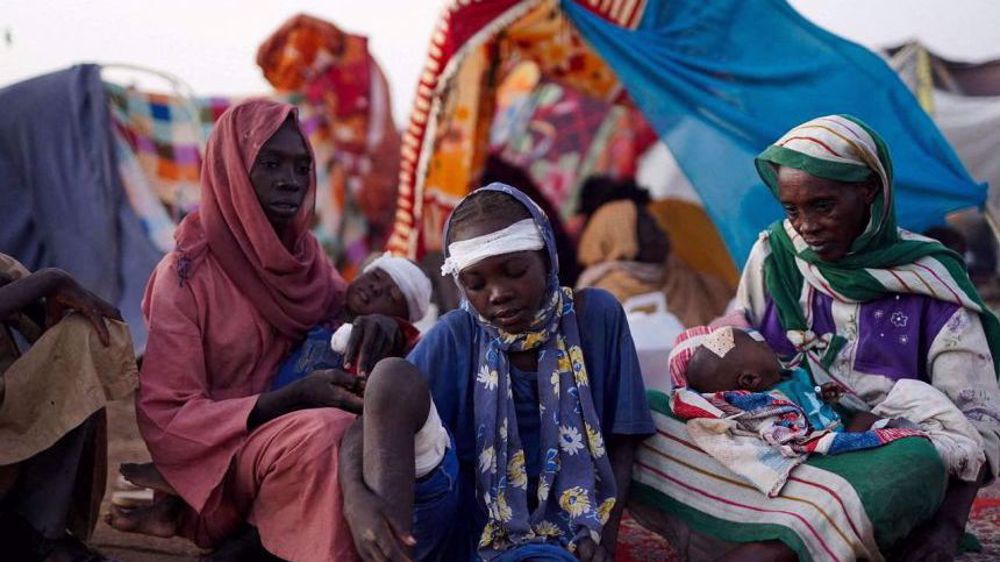
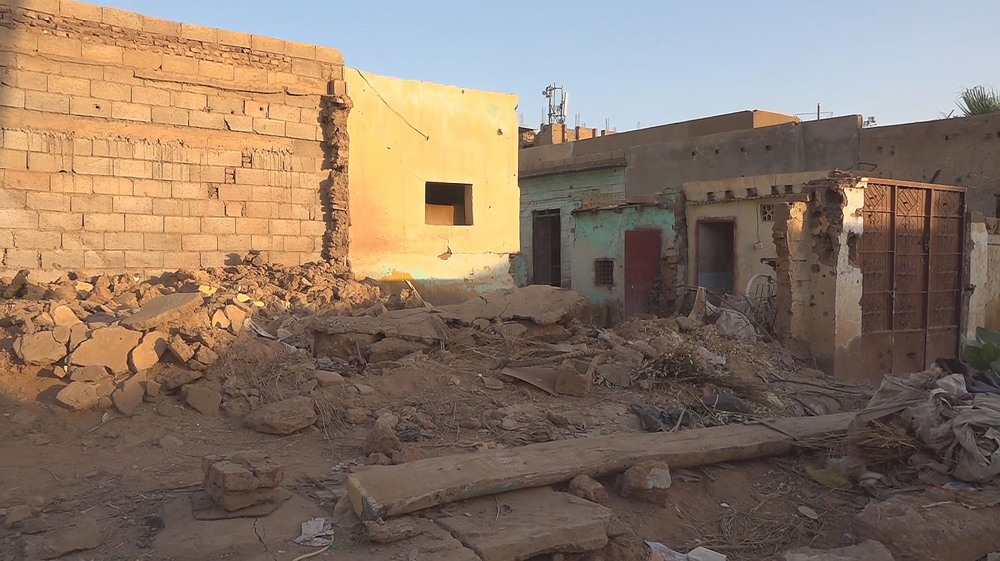
A UN fact-finding mission says atrocities committed by the so-called Rapid Support Forces during their October takeover of El Fasher bear the “hallmarks of genocide” against the Zaghawa and Fur communities.
A report published on Thursday by the Independent International Fact-Finding Mission for Sudan said the evidence confirms that at least three fundamental acts of genocide occurred, noting that the RSF militants carried out ethnically motivated killings, widespread sexual violence and forced disappearances in Sudan’s Darfur region.
“Killing members of a protected ethnic group; causing serious bodily and mental harm; and deliberately inflicting conditions of life calculated to bring about the group’s physical destruction in whole or in part,” it read.
“The scale, coordination, and public endorsement of the operation by senior RSF leadership demonstrate that the crimes committed in and around El Fasher were not random excesses of war,” Mohamed Chande Othman, Chair of the mission, said.
“They formed part of a planned and organized operation that bears the defining characteristics of genocide.”
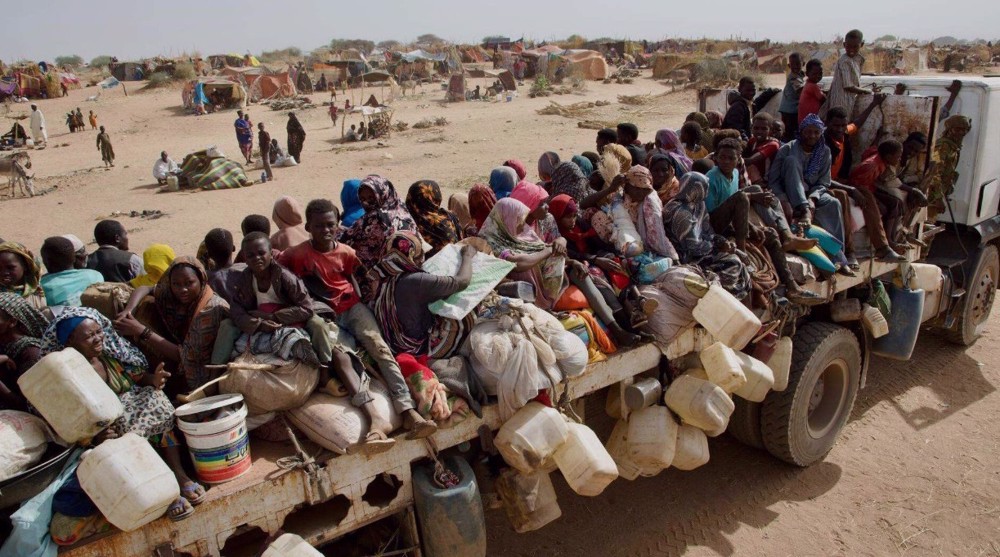
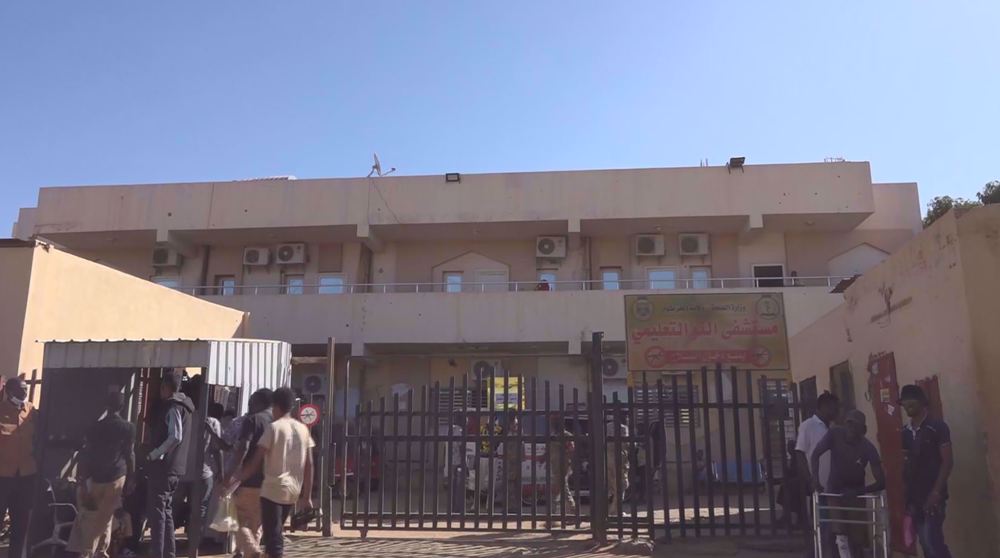
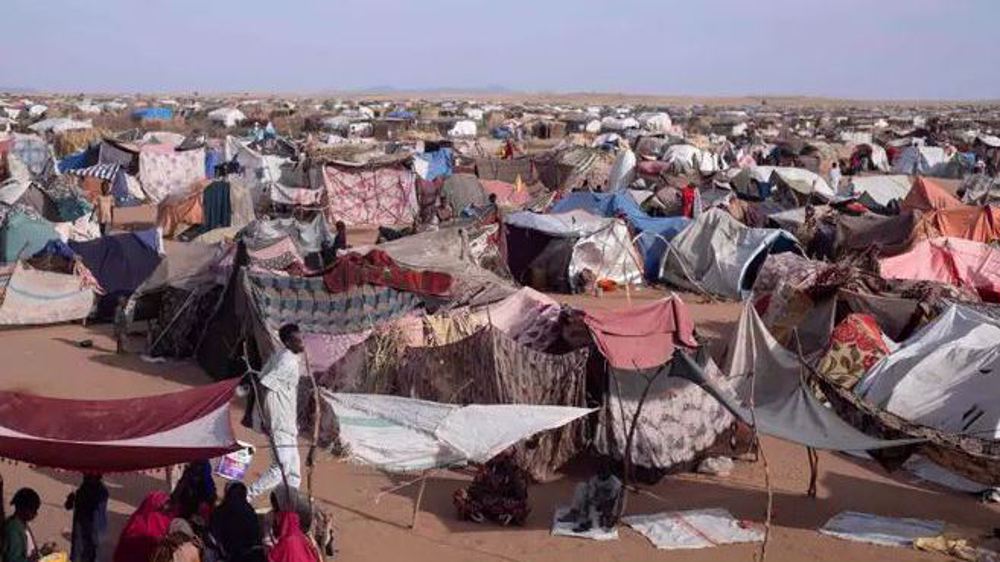
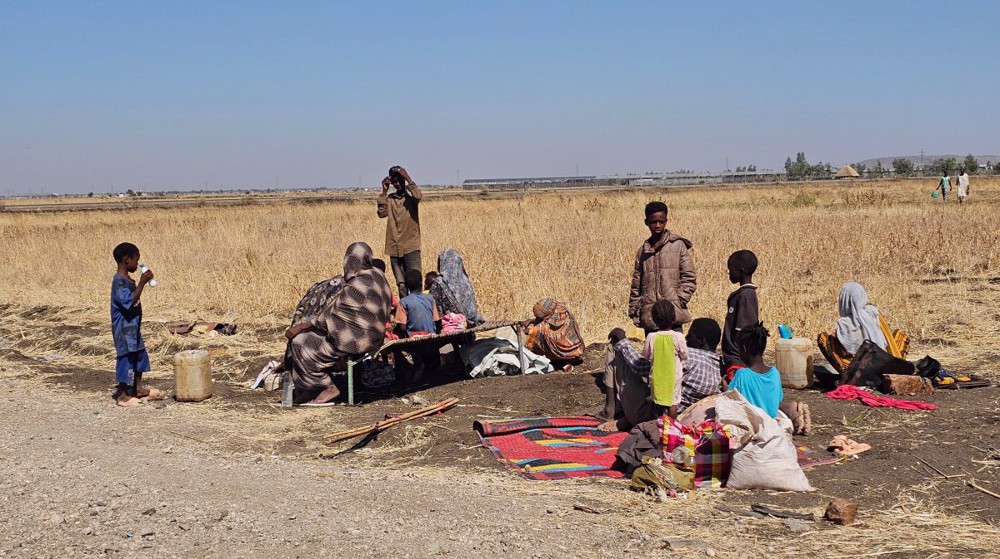
The results emphasize incidents in and near El Fasher, the capital of North Darfur, during the RSF takeover in late October 2025, following what the mission termed an 18-month blockade that increasingly isolated civilians from food, water, medical aid, and humanitarian support.
The report said the siege “systematically weakened the targeted population through starvation, deprivation, trauma and confinement,” leaving many unable to flee when the assault came.
The Sudan conflict began on 15 April 2023, when clashes started between the Sudanese Armed Forces (SAF) and their former partners – the UAE-backed paramilitary RSF. The conflict has now extended throughout extensive areas of the nation, with civilians continually suffering the consequences of urban warfare, moving front lines, and the breakdown of essential services.
The fact-finding mission said the conduct in El Fasher was “an aggravation of earlier patterns” of attacks on other non-Arab communities elsewhere in Sudan, “but on a far more lethal scale.”
Genocidal intent, the mission said, was “the only reasonable inference” from the RSF’s “systematic pattern of ethnically targeted killings, sexual violence, destruction, and public statements explicitly calling for the elimination of non-Arab communities.”
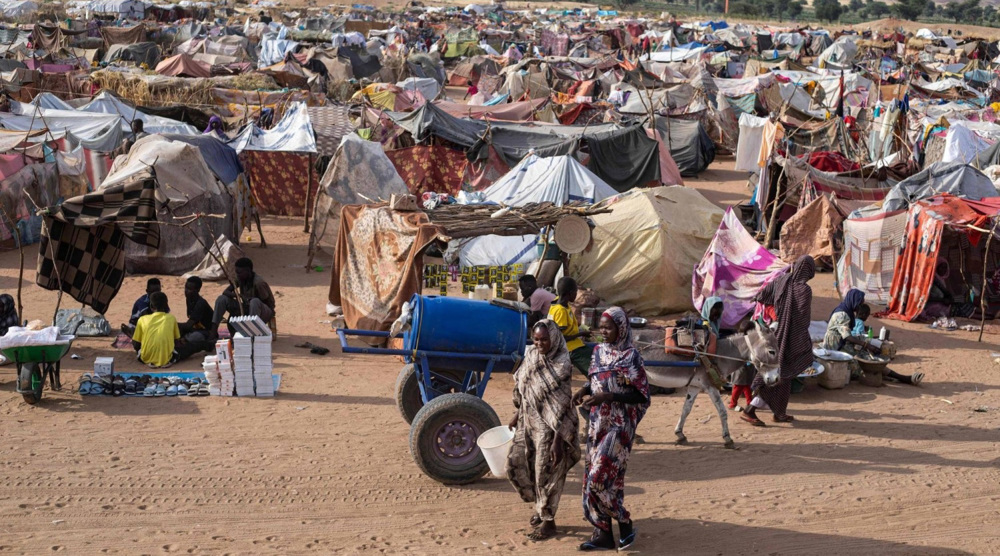
Survivors cited RSF fighters as saying: “Is there anyone Zaghawa among you? If we find Zaghawa, we will kill them all”; and “We want to eliminate anything black from Darfur.”
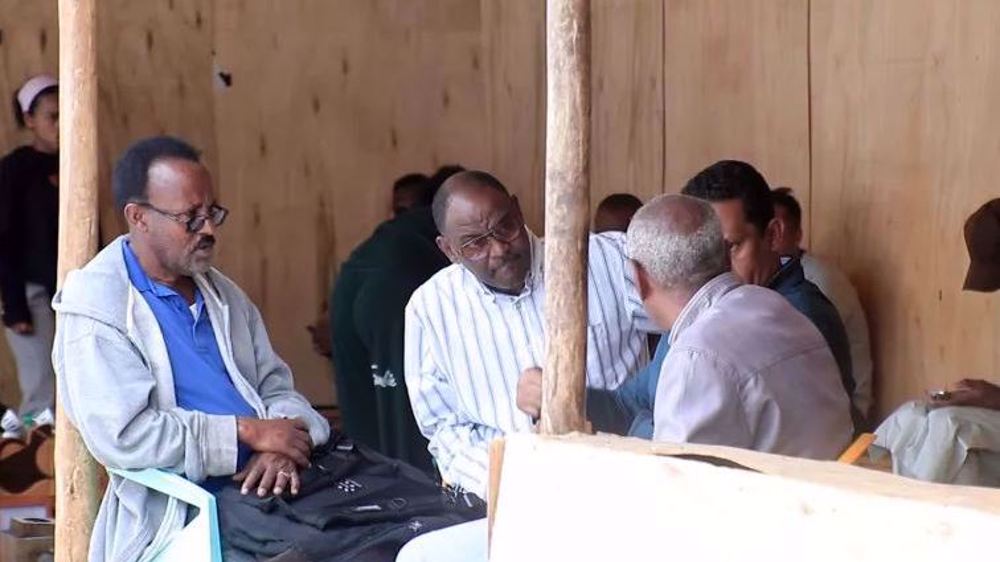
“The body of evidence we collected – including the prolonged siege, starvation and denial of humanitarian assistance, followed by mass killings, rape, torture and enforced disappearance, systematic humiliation and perpetrators’ own declarations – leaves only one reasonable inference,” mission member Mona Rishmawi, said.
“The RSF acted with intent to destroy, in whole or in part, the Zaghawa and Fur communities in El Fasher. These are the hallmarks of genocide,” she added.
The report outlines identity-based targeting associated with ethnicity, gender, and perceived political affiliation as a key aspect of the operation, highlighting the focused targeting of Zaghawa and Fur women and girls in acts of sexual violence, while women seen as Arab were frequently exempted
The mission also pointed to repeated warnings and “clearly identified atrocity risk indicators” preceding the takeover, including international calls from mid-2024 for the siege to end and civilians to be protected. “Despite these warnings, no effective measures were taken by any party to protect the civilian population,” it said.
“With the conflict expanding to other regions, including Kordofan, the mission warned that urgent civilian protection is needed “now more than ever.” Joy Ngozi Ezeilo, another mission member, said the conduct in El Fasher was “an acute manifestation of patterns consistent with genocidal violence.”
The mission assessed that the “risk of further genocidal acts remains serious and ongoing” in the absence of effective prevention and accountability.
“Perpetrators at all levels of authority must be held accountable,” Othman said. “Where evidence indicates genocide, the international community has a heightened obligation to prevent, protect and ensure justice is done.”
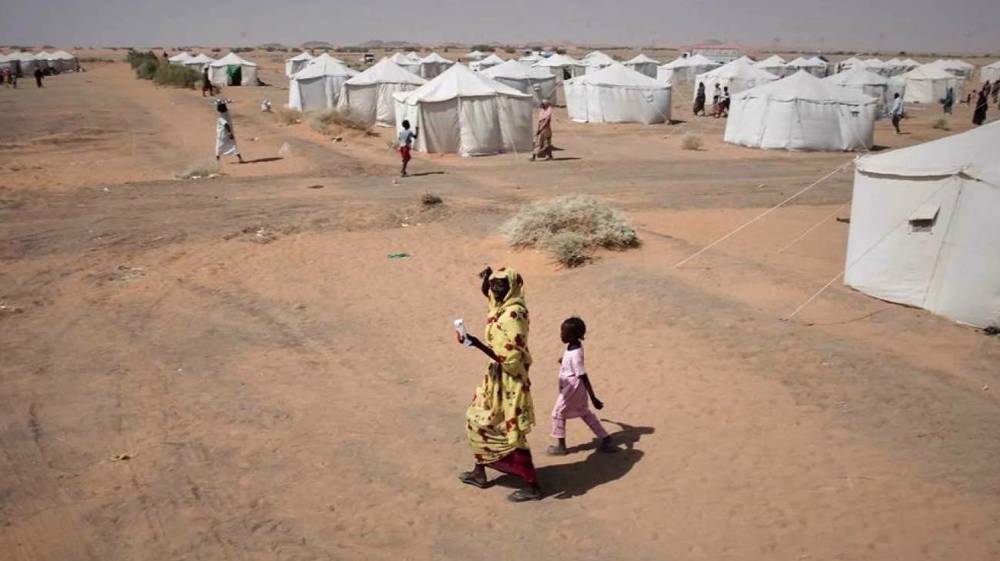
Over 300 children killed or injured in Sudan war over six months: UNICEF
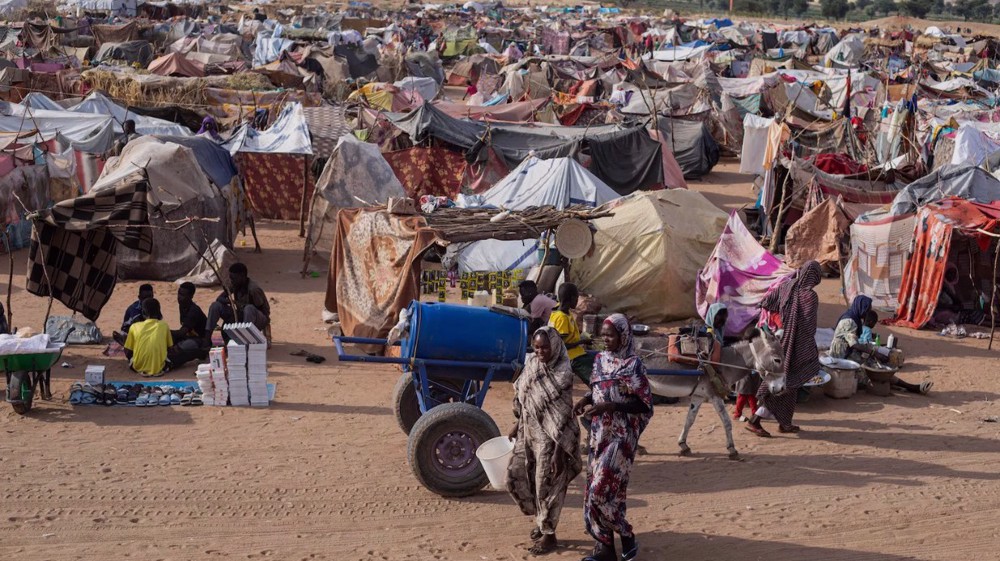
UK suppressed intel on Sudan genocide to protect UAE ties: Report
Advocates urge NBA to end UAE partnership over role in Sudan genocide


Martyred Leader’s massive Iraq funeral showed Iran-Iraq unity, dealt blow to US plots: Analyst
Israel wipes out villages, attacks civilians after US-led deal with Lebanon govt.
Trump invested in companies profiting from war on Iran: Report
VIDEO | Millions of mourners gather in Karbala for funeral of martyred leader
US ignored intel warnings before triple-tap strike on Minab school: Report
VIDEO | Press TV's news headlines
DPRK vows to bolster nuclear force in quality and quantity to counter US threats
VIDEO | Yemen puts US base hosts on notice after Iran airstrikes



 PressTV NEWSLETTER
now
PressTV NEWSLETTER
now
 This makes it easy to access the Press TV website
