Bangladesh poll result reflects public rejection of governance failures, not party loyalties: Analyst
By Mohammad Ali Haqshenas
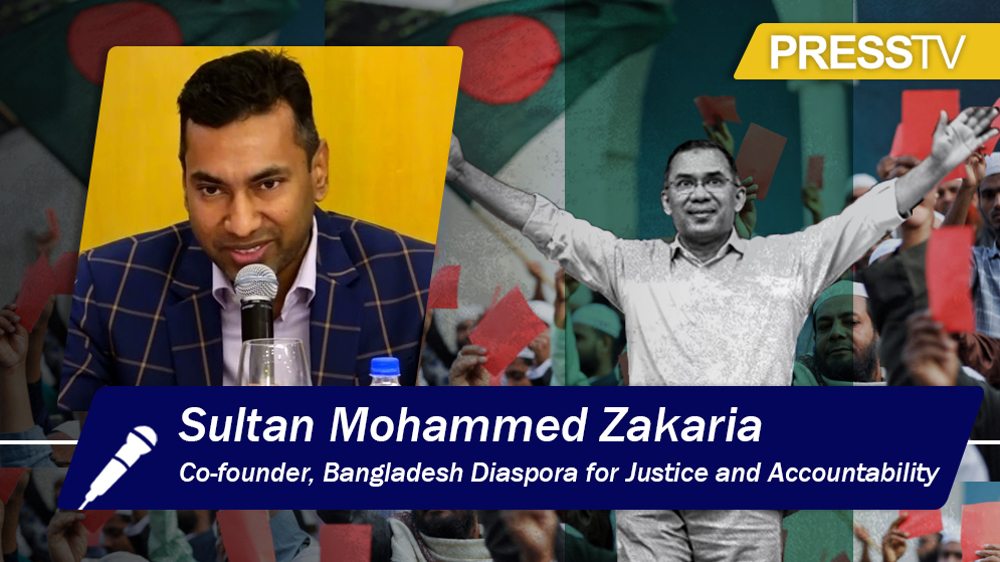
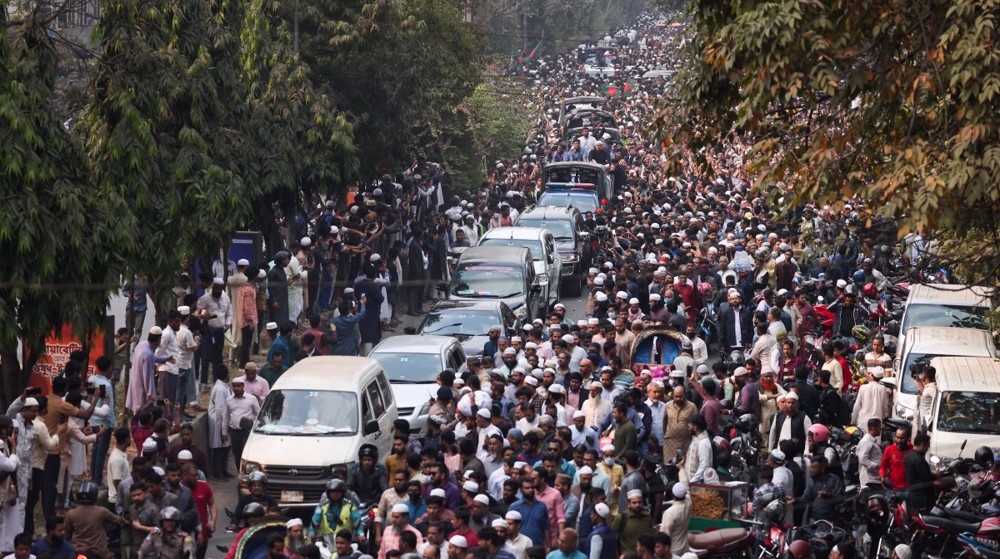
The result of the parliamentary election in Bangladesh was driven less by ideology and more by a popular rejection of long-standing governance failures, according to an analyst who said voters were demanding a return to democratic norms after years of volatility
Speaking in an interview with the Press TV website, Sultan Mohammed Zakaria, co-founder of Bangladesh Diaspora for Justice and Accountability, described the recent election as "a referendum on a political order that had exhausted its moral legitimacy."
“Voters did not merely choose a party; they repudiated a decade defined by repression, institutional capture, and impunity,” he stated, referring to the political transition.
Zakaria noted that the scale of the mandate reflected more than shifting party loyalties. While ideology played a role, he said the result pointed to a public insistence on accountability, competitive politics, and the rule of law.
He described the outcome as a demand for “democratic normalcy,” arguing that the electorate sent a clear signal that no government, however entrenched, can govern indefinitely without accountability.
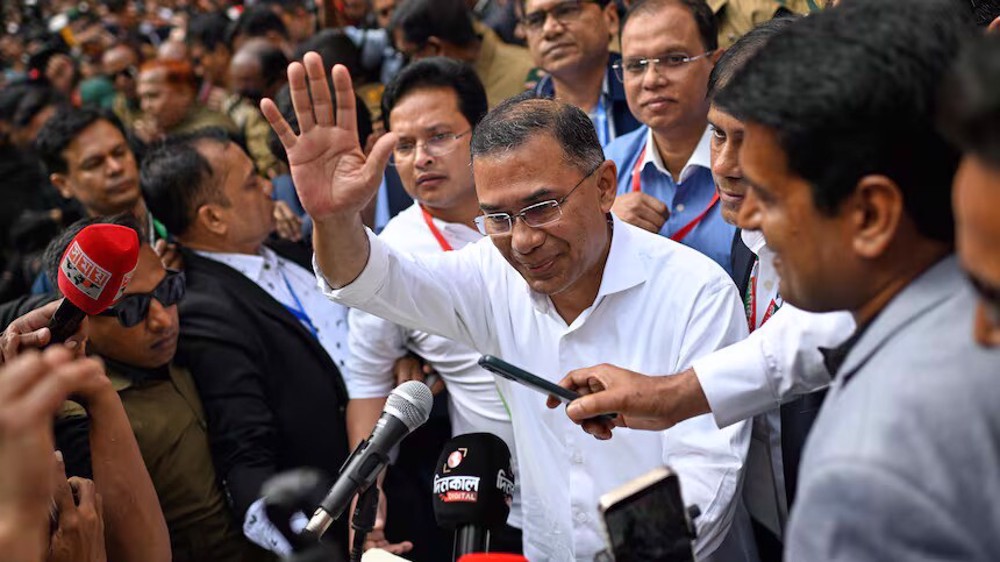
The Bangladesh Nationalist Party, led by Tarique Rahman, secured a sweeping victory in the country’s first general election since the 2024 student-led uprising that ended the 15-year rule of Sheikh Hasina.
Official results from the Bangladesh Election Commission showed the BNP-led alliance winning a two-thirds parliamentary majority, with Jamaat-e-Islami emerging as the main opposition force.
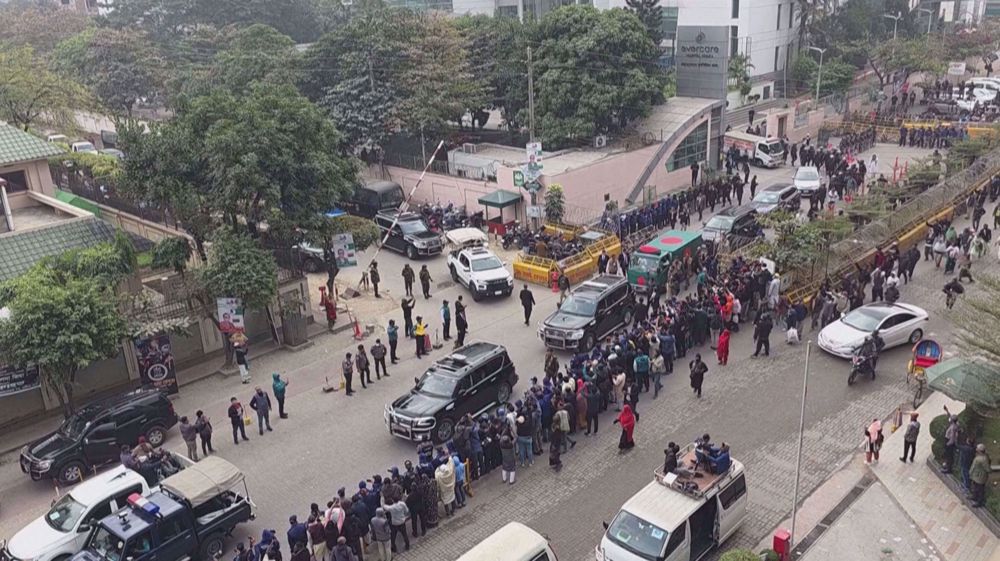
Rahman and newly elected lawmakers were sworn into parliament on Tuesday, marking the first elected legislature since last year's mass uprising. The oath ended 18 months of interim rule that followed the collapse of Hasina’s government.
Tarique Rahman sworn in as Bangladesh’s new prime ministerhttps://t.co/xWfqXG6Pjt
— Press TV 🔻 (@PressTV) February 17, 2026
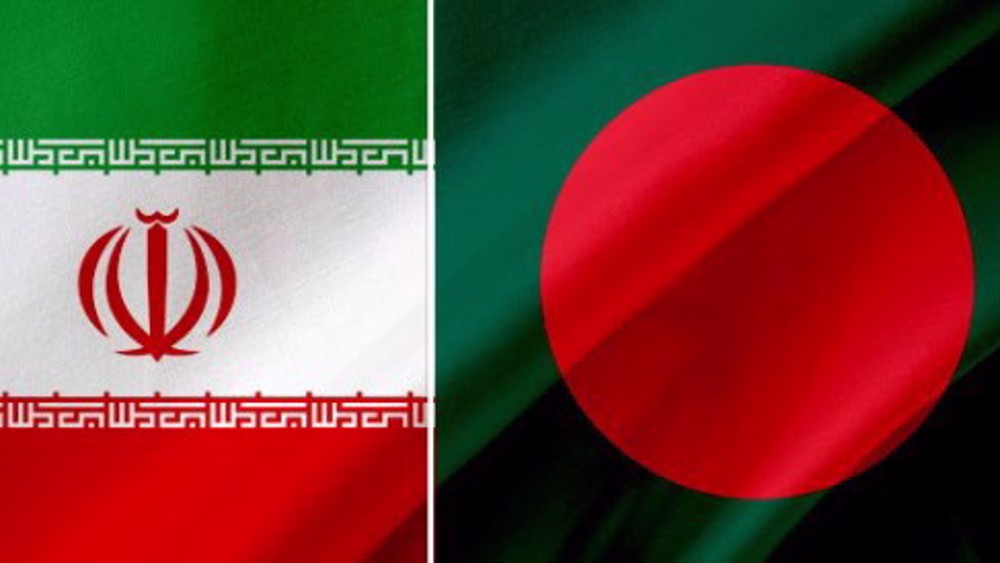
Asked about the implications of the political transition on the country's foreign relations, Zakaria said Bangladesh’s diplomacy should rest on principles of sovereign equality and national dignity.
“With India, the path forward should be pragmatic but principled: cooperation where interests converge—trade, energy, connectivity, border management—and firmness where sovereignty or reciprocity is in question,” he told the Press TV website.
He added that stability in South Asia is “best preserved through mutual respect and non-interference,” rather than asymmetrical relationships or political patronage.
“As for Pakistan, engagement—if it occurs—will likely be limited, transactional, and cautious,” Zakaria said, adding, “Bangladesh’s strategic horizon is economic stabilization and democratic consolidation, not ideological realignment.”
“Our diplomacy must be steady, rules-based, and focused on long-term national interest rather than symbolic gestures,” he said.
Turning to internal stability, Zakaria cautioned that the relative calm following the election remains “conditional”.
He said a society that has witnessed mass killings, widespread injuries, and institutional breakdown carries “deep trauma,” and that political stability will endure only if justice is “credible, reforms are tangible, and security institutions are depoliticized.”
In his view, the risk of renewed unrest is tied less to agitation than to “broken promises”.
If the new government delivers transparency, strengthens oversight, and ensures equality before the law, he said, stability is likely to consolidate.
Iran congratulates Bangladesh on successful parliamentary elections https://t.co/zCP6JBZxmF
— Press TV 🔻 (@PressTV) February 16, 2026
“If it hesitates or reproduces old habits, public trust will erode quickly. Democratic transitions are fragile, not because people are restless, but because expectations are high,” he remarked.
Zakaria also addressed the political future of Hasina and her party Awami League, which was barred from contesting the recent election.
He said that for Hasina personally, the political chapter appears “decisively closed,” noting that judicial findings related to grave crimes have fundamentally altered the terrain of legitimacy.
For the Awami League, he said, its prospects depend on whether it can remake itself as a law-abiding democratic party that acknowledges wrongdoing, renounces violence, and undertakes internal reform.
“A democratic system does not require permanent exclusion of adversaries; it requires accountability paired with due process and a credible commitment to non-recurrence,” he said.
Zakaria added that Bangladesh’s democratic maturity will be judged not by acts of vengeance, “but by whether justice strengthens pluralism rather than replaces it.”
Ayatollah Khamenei was a transformative leader and civilizational architect: Scholar
Martyred Leader’s legacy of resistance elevated Iran’s standing on global stage: Ex-lawmaker
Continued violations of war-ending MoU with Iran prove US cannot be trusted: Analyst



VIDEO | Iran prepares historic farewell for martyred leader at Tehran Grand Mosalla
European lawmakers urge FIFA ethics probe into Infantino’s Trump ‘peace prize’ award
Iran to prevail over US, Medvedev says after attending martyred Leader’s funeral
President Pezeshkian: Iran will not bow to any bully
Yemen says it intercepted violating Saudi warplanes, warns Riyadh
VIDEO | Silent march in Paris marks 1,000 days of genocide in Gaza
US warned Iran Israel could assassinate top negotiators: Report
Iran warns of ‘strong’ response to any ceasefire violation, vows closer defense ties with Pakistan


 PressTV NEWSLETTER
now
PressTV NEWSLETTER
now
 This makes it easy to access the Press TV website
