Any ‘sustainable’ Iran–US deal must deliver ‘economic benefits’ for Washington: Official
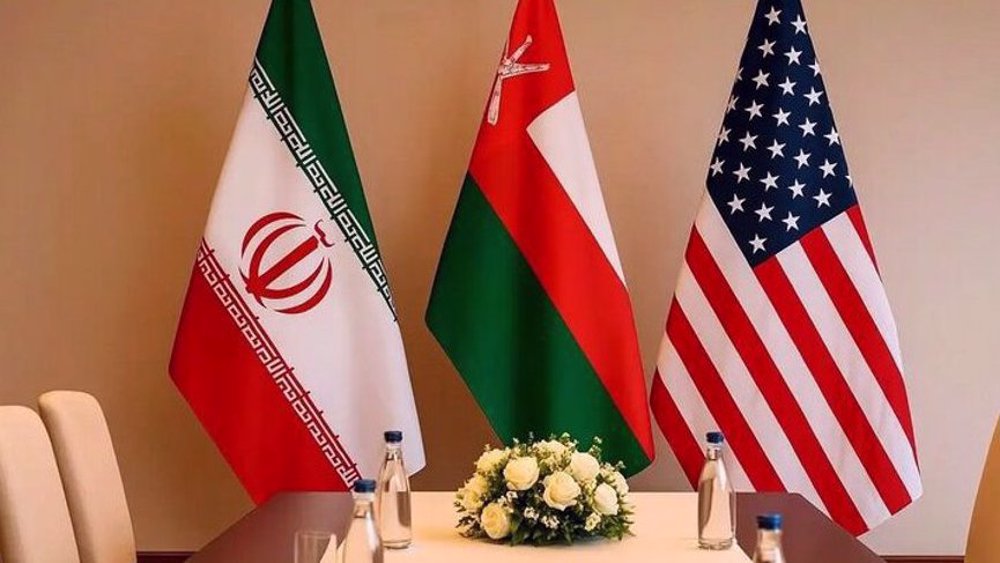
A senior Iranian diplomat has said that any sustainable agreement between Iran and the United States must provide clear and tangible economic benefits for both Washington and Tehran as indirect talks are set to resume next week.
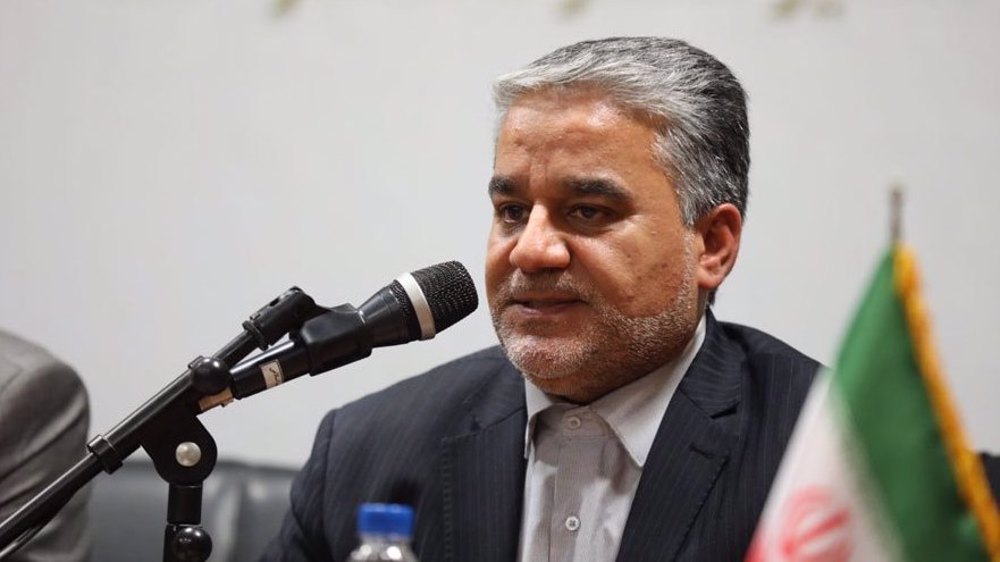
Deputy Foreign Minister for Economic Diplomacy Hamid Ghanbari made the remarks during a meeting of the Council of Heads of Commissions of the Iranian Chamber of Commerce on Sunday.
Ghanbari went on to say that under the previous agreement between Tehran and Washington, the United States did not derive sufficient economic benefit, which he described as a factor contributing to its lack of durability.
“For an agreement to be sustainable, the US must also be able to gain economic benefits,” he said.
Ghanbari emphasized that such benefits should be defined in sectors offering high economic returns and relatively rapid implementation.
He further warned that proposals that are complex, low-yielding, or politically sensitive domestically could once again complicate efforts to reach a durable accord.
Among the sectors that can be suggested to the US were energy projects, particularly oil and gas development and joint fields, as well as mining investments capable of yielding quicker returns, according to the official.
Ghanbari also pointed to specific urban development projects and the possibility of aircraft purchases as attractive areas for potential cooperation.
The deputy minister further noted that the release of Iranian financial resources currently limited or blocked abroad would form a key component of any agreement, with various scenarios considered for its effective and practical implementation.
Ghanbari underscored the need for mechanisms to ensure that released assets remain accessible and usable, drawing attention to past experiences of funds being subject to renewed restrictions.
He also mentioned the possibility of structuring arrangements so that Iran assumes debt obligations with the released resources serving as collateral.
Ghanbari made it clear that Iran would not suspend its regular activities while negotiations are ongoing, emphasizing the importance of institutional preparedness for all situations.
He further cautioned against allowing negotiations to delay domestic economic management, including exchange rate controls or contingency planning for potential developments.
“Everyone must be prepared for all situations,” he said, adding that while negotiations are being pursued seriously, preparedness across institutions remains essential.
Iran held indirect nuclear negotiations with the US on February 6 in Oman’s capital, Muscat.
Iran’s main demand remains the effective and verifiable lifting of economic sanctions. Officials in Tehran have repeatedly stated that any agreement without tangible economic benefit would be meaningless in practice.
Switzerland confirmed that the next round of talks will be held next week in Geneva with the mediation of Oman.

Qalibaf: Iranian nation will defeat US plots to sow internal division

US-Israeli strikes on 130,000 civilian sites amount to war crime, Iran tells ICRC

Iran’s Red Crescent urges ICRC to act over US-Israeli attacks on civilians



Israeli army facing ‘continuous rise’ in soldier suicides: Report
Expulsion of arrogant powers from Persian Gulf coming soon: IRGC
IRGC: US warships will burn like bases if Iran attacked again
Analysis - Iran consolidates Strait of Hormuz control in post-war power shift, leaving US in dark
US blockade crumbles as Iran turns to overland routes
Iran's new blueprint for management of Strait of Hormuz in post-American regional order
‘A new chapter’: Leader says Iran will determine ‘new legal rules’ in Strait of Hormuz
Resistance will continue until Lebanon fully liberated, direct talks with Israel rejected: Hezbollah




 PressTV NEWSLETTER now
 This makes it easy to access the Press TV website