Bedouin village in West Bank fully emptied due to Israeli settler violence
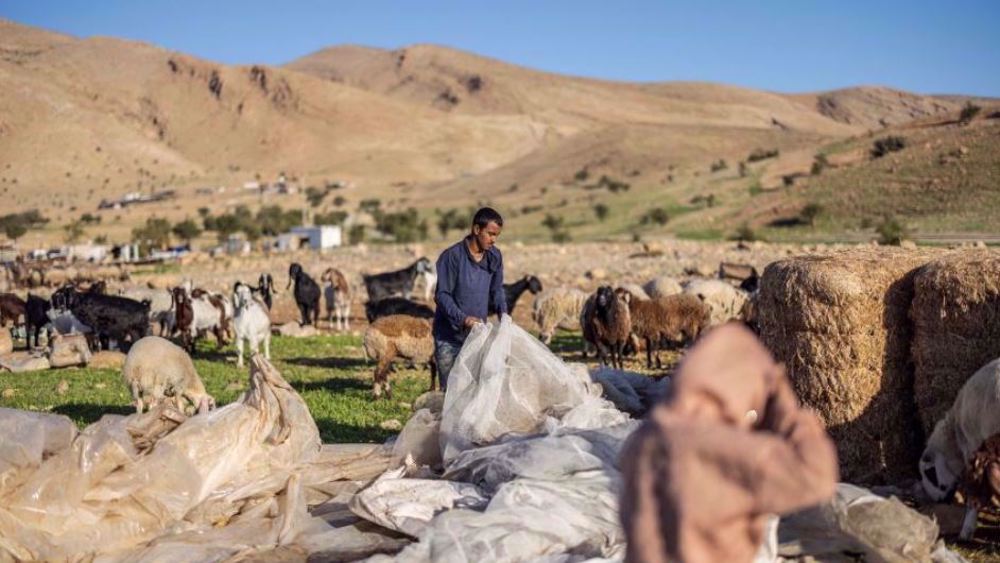
The Palestinian Bedouin community of Shallal al-Auja, also known as Ras Ein al-Auja, north of Jericho, in the occupied West Bank has been completely forcibly emptied of its residents following years of systematic harassment and violence by Israeli settlers.
The final expulsion of the last three families on Saturday marked the displacement of approximately 120 families, totaling around 1,000 people, according to local rights groups. This is the first complete village displacement by Israel since 1967 and the largest single Bedouin community expulsion in recent history.
The Al-Baydar Organization for the Defense of Bedouin Rights reported that the displacement unfolded gradually without armed clashes, underscoring its coercive nature.
Violations included repeated settler raids, physical assaults, threats particularly against women and children, destruction of homes, tents, livestock shelters, and pens, as well as theft and poisoning of sheep.
Access to vital water sources and grazing lands was severely restricted, and shepherds faced daily harassment, making sustainable life impossible.
The final stage coincided with the dismantling of tents belonging to international solidarity activists who had provided protective presence and human rights monitoring, leaving the area devoid of any Palestinian or activist presence.
Residents like Naif Ghawanmeh, 45, one of the few who initially remained, described the psychological toll: "By God, it’s a difficult feeling... Everyone left. Not one of them [remains]. They all left."
He recounted two years of relentless pressure, including restrictions on water access: "They prevented us from getting water... They prevented us from bringing the sheep to the water and getting water from the spring."
Ghawanmeh emphasized the cultural devastation, invoking a Bedouin saying: "Upbringing outweighs origins," meaning the land is integral to their identity, and leaving it is "very, very, very difficult. But we are forced to."
Families have scattered across the West Bank, often to cramped areas in Palestinian-controlled zones, with many burning furniture to deny settlers its use.
The community, home to herders who served as guardians of the al-Auja spring and surrounding lands, comprised different social groups and included families previously displaced from nearby areas like Mu’arrajat and Mughayir al-Dir.
Settlers established illegal outposts nearby, mimicking Bedouin shepherding but using them as bases for attacks, often coordinated with Israeli occupation forces. This included stealing or poisoning livestock—reducing the village's 24,000 sheep to under 3,000—and erecting fences to block grazing areas.
The Palestinian Centre for Human Rights (PCHR) documented the initial displacement of 20 families (129 individuals, including 50 children and 25 women) on January 8, 2026, as part of a systematic policy to depopulate the area for colonial expansion.
This incident fits into a broader pattern of forced displacements in the occupied West Bank. In 2025 alone, Israeli settlers and forces displaced at least 13 rural Palestinian communities, affecting 190 families and 1,090 individuals, with attacks including 892 incidents, 14 deaths, and the destruction of over 35,000 trees.
Since October 2023, settler violence has displaced 4,037 Palestinians, including six entire communities in the northern Jordan Valley.
The OHCHR notes that such displacements follow a predictable pattern: outpost establishment, resource restrictions, and repeated attacks, often with impunity under programs arming settlers.

Rights groups like B'Tselem and Al-Baydar condemn these actions as war crimes and violations of international humanitarian law, including the Geneva Conventions, urging global intervention to halt further displacements and ensure accountability.
The expansion of settler outposts—now numbering 210, with 19 retroactively approved since 2022—continues amid calls from Palestinian officials for urgent international protection.
As one resident put it, the ordeal reflects a "second Nakba," echoing the mass displacements of 1948, and highlights the ongoing struggle for land and livelihood in the region.
Netanyahu uses aid flotilla as excuse to cut short corruption court session
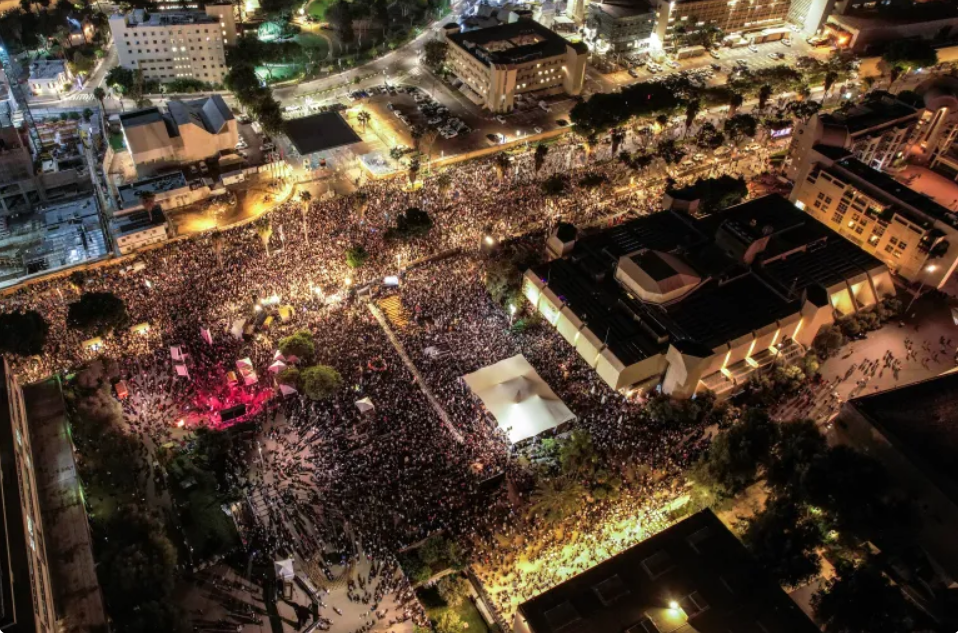
Most Israeli settlers believe regime’s military ‘failed on all fronts’: Poll
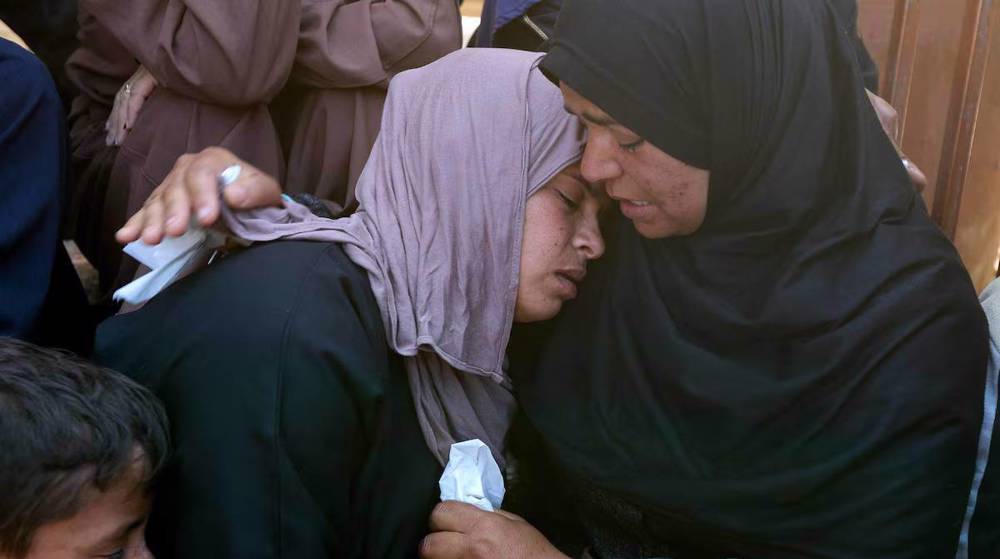
Israeli strikes on Gaza kill five civilians, including 9-year-old boy



Iran to soon confront enemy with a 'very dreadful weapon': Navy cmdr.
Iran rebukes Bahrain’s revocation of citizenship over trumped-up charges
Pentagon chief grilled in Congress over huge cost of war against Iran
Mass rallies across Iran signal national unity, support for leadership on Imam Reza anniversary
Qalibaf: Iranian nation will defeat US plots to sow internal division
Trump’s ‘Golden Dome’ offers ‘limited’ shield against ballistic missiles: Defense official
US-Israeli strikes on 130,000 civilian sites amount to war crime, Iran tells ICRC
Iran’s Red Crescent urges ICRC to act over US-Israeli attacks on civilians


 PressTV NEWSLETTER now
 This makes it easy to access the Press TV website