Iran FM says US must seize chance for ‘fair’ deal, warns war would be ‘disaster’ for all
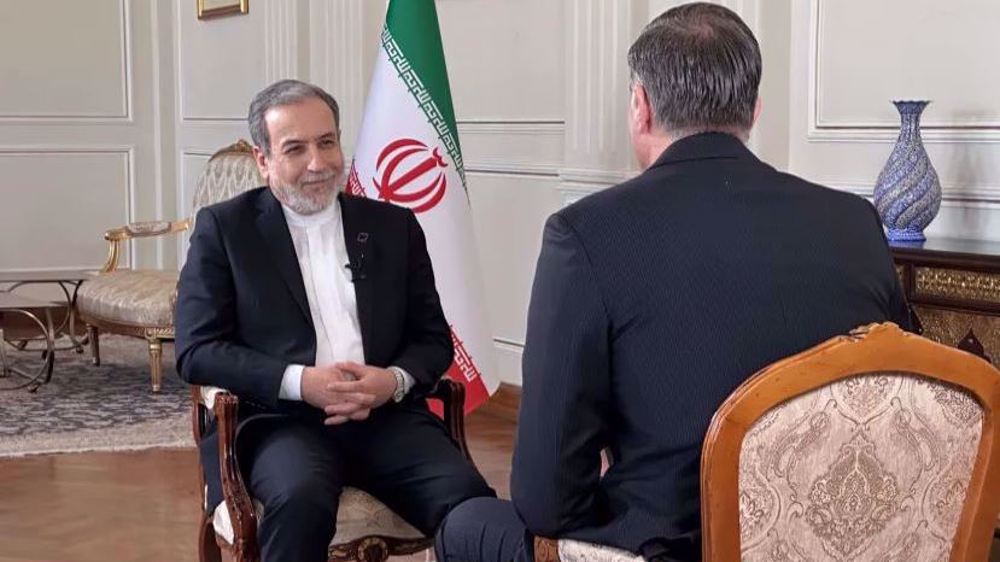
Iranian Foreign Minister Abbas Araghchi says the United States must seize the chance to reach a fair deal with Tehran, warning that any military aggression would be a “disaster” for the entire region.
Speaking in an interview with CNN on Sunday, Araghchi said he was “confident that we can achieve a deal” with the US on Tehran’s nuclear program.
“Unfortunately, we have lost our trust [in] the US as a negotiating partner,” he added, noting that “fruitful” talks between Tehran and Washington were being moved forward with the help of friendly regional countries acting as intermediaries.
The US side also projected optimism over the weekend. Speaking to reporters aboard Air Force One on Saturday, US President Donald Trump said that Iran was “talking to us, seriously talking to us.”
In his interview, Araghchi stopped short of promising direct talks with US negotiators, stressing that the “substance of negotiations” matters more than their form.
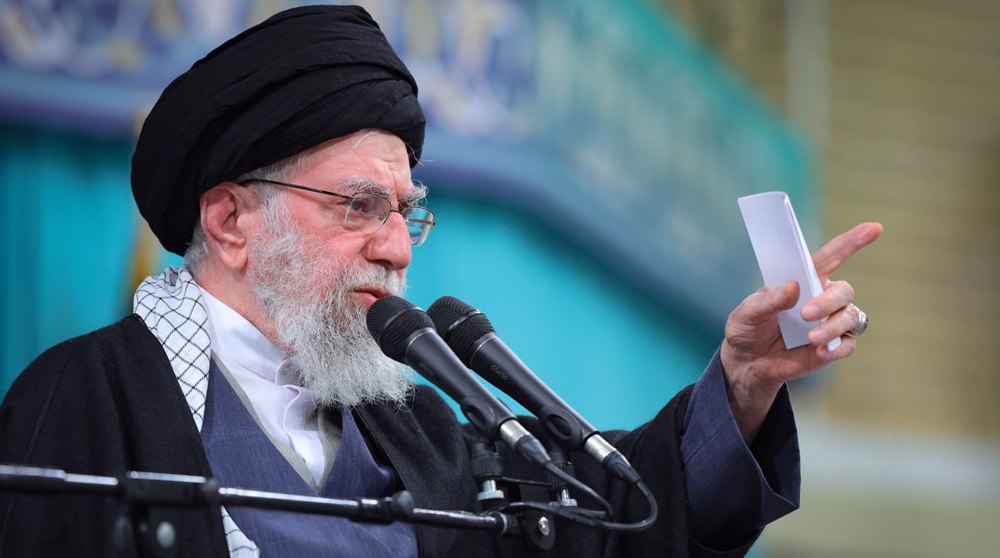
His remarks came as Leader of the Islamic Revolution Ayatollah Seyyed Ali Khamenei on Sunday warned that any war initiated by the United States against Iran would turn into a regional war.
“The Americans should know that if they start a war this time, it will be a regional war,” the Leader said, stressing that threats and displays of military power will not intimidate the Iranian nation.
In response to a question about Iran’s extensive missile arsenal, believed to have been reconstituted following the Israeli-American war in June, and the country’s regional allies, Araghchi insisted that discussions must focus solely on Iran’s nuclear program.
“Let’s not talk about impossible things,” he said. “And not lose the opportunity to achieve a fair and equitable deal to ensure no nuclear weapons. That as I said, is achievable even in a short period of time.”
The Iranian negotiator made it clear that the US must first lift the sanctions that have burdened Iran's economy for over a decade and guarantee Iran's right to continue peaceful nuclear enrichment.
He expressed Iran’s preparedness for war if talks fail, warning that a conflict with Iran would likely spiral into a wider war.
A war, “would be a disaster for everybody,” Araghchi said.
He explained that Iran's military would target US bases throughout the region, having tested and refined its missile capabilities during and since the 12-day war with Israel in June.
On Saturday, Trump did not indicate whether he had decided on a possible military strike against Iran.
“Some people think that. Some people don’t,” the US president said when asked about concerns that backing away from a strike would embolden Tehran.
He once more declined to give details about a potential military strike, reiterating his earlier remarks.
“I certainly can’t tell you that, but we do have very big, powerful ships heading in that direction,” Trump said. “As you know, I can’t tell you. I hope they negotiate something that’s acceptable.”
In recent days, a surge of diplomatic activity has been underway in the region in an effort to prevent war.
On Saturday, Qatar’s Prime Minister Sheikh Mohammed bin Abdulrahman bin Jassim Al Thani traveled to Tehran.
Iranian Foreign Ministry spokesman Esmaeil Baghaei said on Monday that Al Thani met with Araghchi and Ali Larijani, secretary of Iran’s Supreme National Security Council.
Baghaei explained that the meetings were conducted within the framework of ongoing good offices and consultations among regional countries on current regional developments, with discussions focusing on preserving peace and stability in the region.
According to a statement by the Qatari government, ongoing efforts aimed at reducing tensions in the region were reviewed during the meeting.
During a telephone conversation on Saturday with his Egyptian counterpart, Abdel Fattah el-Sisi, Iranian President Masoud Pezeshkian reiterated that resolving disputes through diplomacy remains Iran’s priority. However, he said the Islamic Republic would not be compelled into negotiations by threats or coercion and that war would benefit neither side.
Pointing to the foreign-backed riots across Iran in early January, Araghchi said “terrorist elements” who received orders from abroad stirred up dissent and provoked violence.
Talking about the violent peak of the riots, he said, “We consider these three days as the continuation of those 12 days of war that was an operation led by Mossad from outside and of course, we crushed that operation.”
“There was no plan for the execution or hanging” of rioters, the top Iranian diplomat said, refusing Trump's claim that he had received assurances from Iran regarding a halt to planned executions.
“I can affirm that the rights of each and every person who is arrested and detained would be observed and guaranteed,” he pointed out.
Foreign-backed armed rioters and terrorists hijacked peaceful, sporadic protests over economic grievances on January 8 and 9 and turned them into scenes of murder and destruction of public and private property.
Iranian authorities have said that the US and Israeli spy agencies were directly involved, providing funding, training, and media support to rioters and armed terrorists acting on the streets.
Iranian nation learned from martyred Leader never to submit to humiliation: Pres. Pezeshkian
Ansarullah leader congratulates Iran on 'great victory' over US, Israel
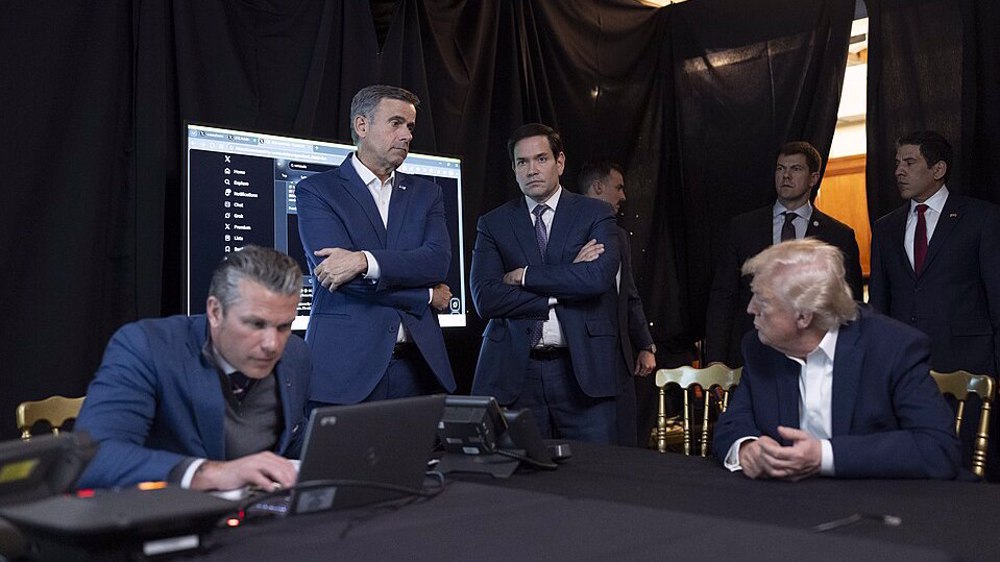
Trump considers ousting officials who opposed Iran agreement: Report


Top Yemeni official: Iranian armed forces inspiring model for Muslim world
Israeli media urges continued Lebanon strikes to disrupt Iran-US MoU
Bahraini regime forces attack mourning Shia Muslims near Manama
On Iran’s sanction-proof economy powered by scientists
VIDEO | US public welcomes end to their most unpopular war ever
VIDEO | Iran vs. New Zealand: A meeting beyond football
Pope expresses optimism regarding Iran-US MoU
White House rejects Israeli request to 'review' Iran-US MoU: Reports


 PressTV NEWSLETTER
now
PressTV NEWSLETTER
now
 This makes it easy to access the Press TV website
