ICE agents act as ‘provocateurs’; violence neither accidental nor unprecedented: Analyst
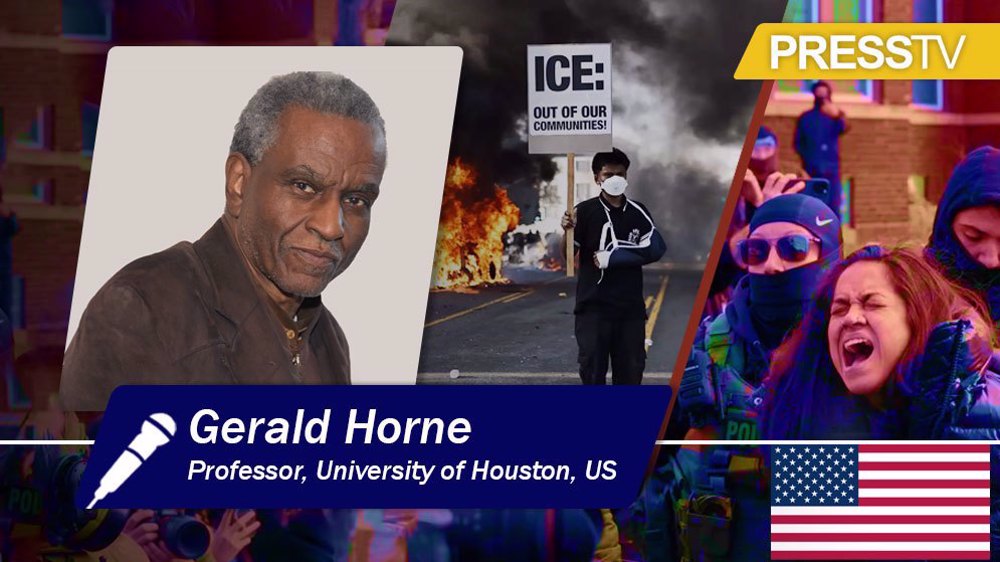
By Mohammad Ali Haqshenas
US federal agents are acting as “provocateurs” as nationwide rallies against US President Donald Trump’s controversial immigration policies gain fresh momentum, says an analyst.
In an interview with the Press TV website, Gerald Horne, Professor of African American History at the University of Houston, condemned the agents for engaging in “provocateur tactics, roughhousing, manhandling, and even killing.”
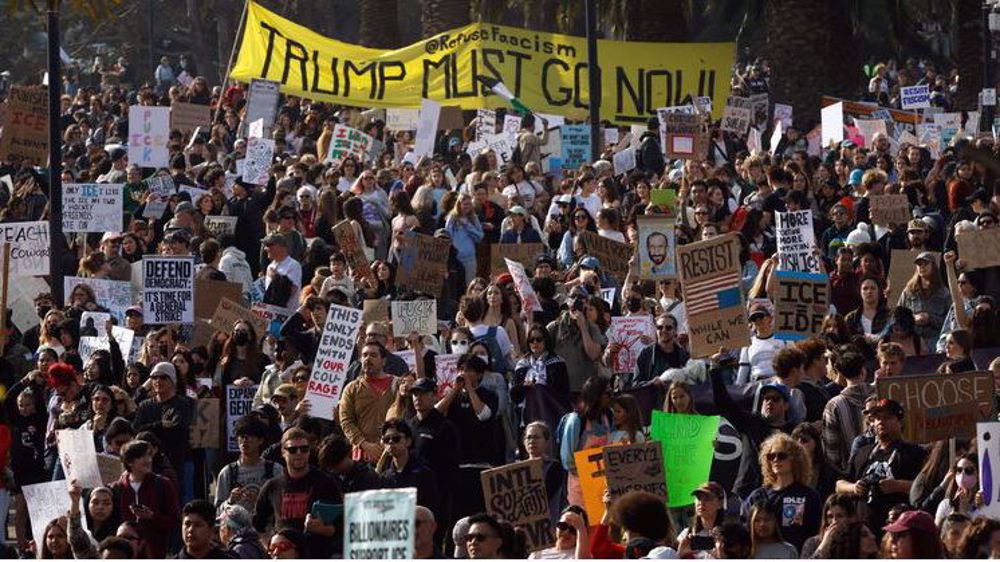
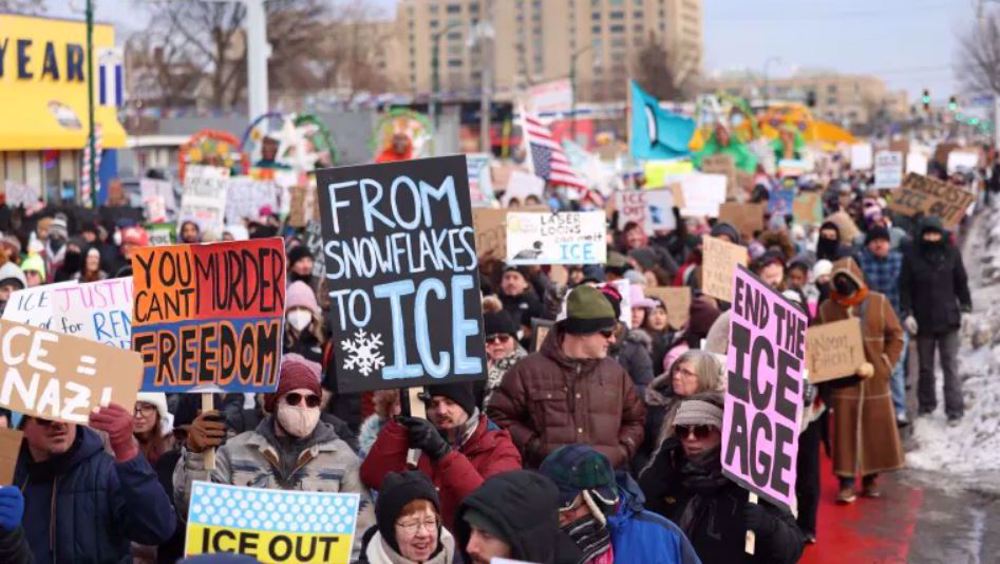
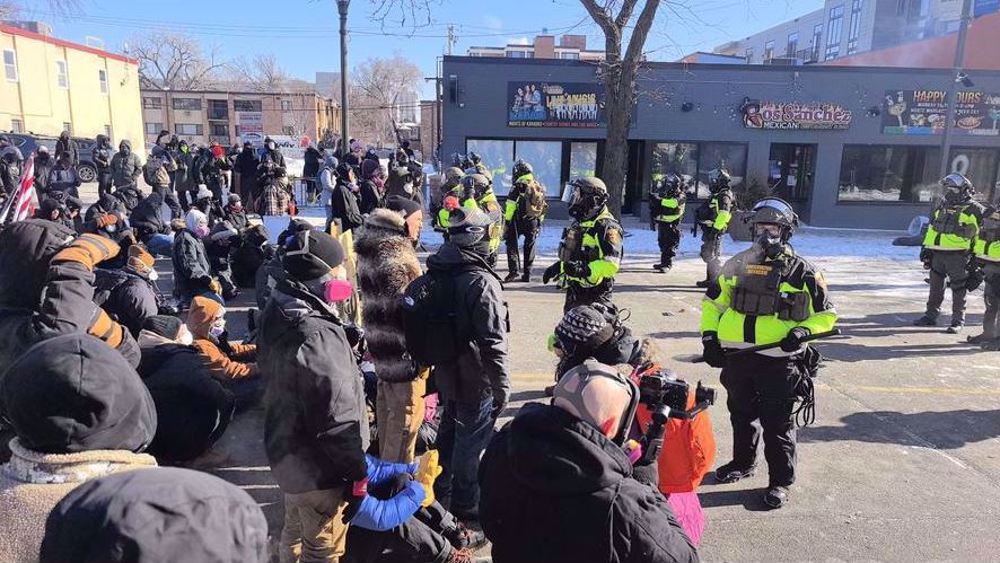
Protests against federal immigration crackdown continue to swell from Minneapolis to New York and Los Angeles as the Trump administration’s promise of “law and order” collides with images of bloodshed, mass arrests, and a government increasingly at war with its own citizens.
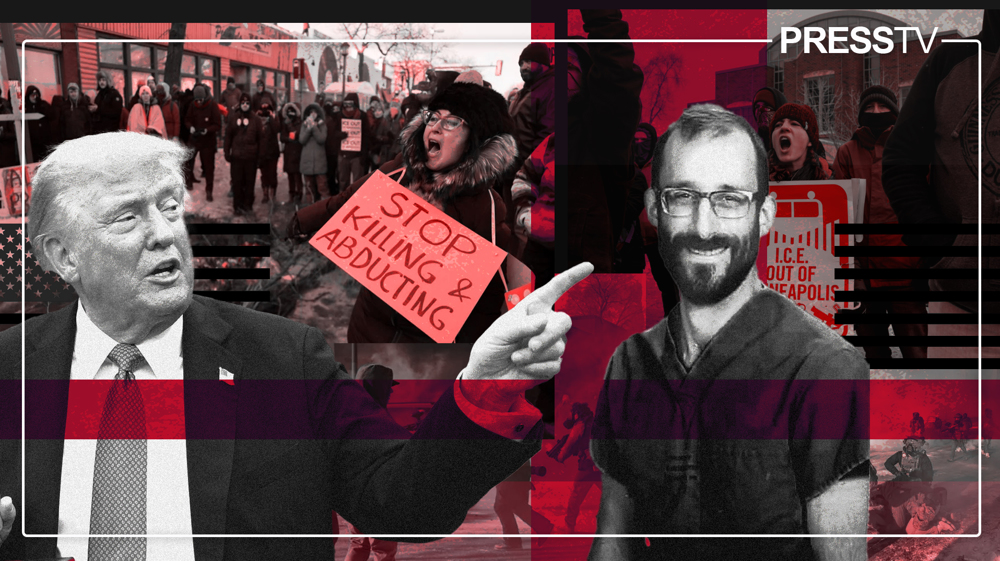
The cold-blooded killings of two US citizens in Minneapolis — nurse Alex Pretti, 37, and mother of three Renee Good — by federal immigration agents earlier this month have transformed what the White House framed as an enforcement surge into a national crisis.
Horne said the violence is neither accidental nor unprecedented, referring to the killing of two American citizens and the force used against peaceful protesters.
“Similar tactics were deployed against the Indigenous in order to seize their land, not to mention what befell the enslaved population,” the historian said, on whether the current deployment of federal power echoes darker chapters in US history.
That perspective invites a look back at episodes in American history when the state exercised overwhelmingly brute force against its own people.
Violence displayed by ICE agents in the US, especially in Minnesota, exposed the brutality of law enforcement, with thousands detained and over 100 killed, raising concerns about whether officers are trained to be violent.
— Press TV 🔻 (@PressTV) January 30, 2026
Follow Press TV on Telegram: https://t.co/LWoNSpkc2J pic.twitter.com/TPrrHZFUho
Horne’s reference to Indigenous peoples alludes to centuries of US expansion that dispossessed Native nations through forced relocation, broken treaties, and massacres.
The enslavement of African peoples — and their descendants — was maintained by federal and state power that suppressed revolt and entrenched racial hierarchies, including violent laws like the Fugitive Slave Act that empowered agents to capture escaped enslaved people anywhere in the country.
The American university professor’s historic comparison situates Operation Metro Surge — which sent roughly 3,000 federal agents into Minneapolis at Trump’s directive — within a longer American tradition of using state violence to enforce racial and political hierarchies.
Thousands took to the streets in Minneapolis and St. Paul on Friday, with demonstrations spreading to Chicago, Washington, New York and Los Angeles. Organizers of the nationwide “National Shutdown” urged Americans to stay home from work and school and demanded an end to funding for ICE.
The US Justice Department has now opened a civil rights investigation into Pretti’s murder, a move that underscores the gravity of the matter facing federal authorities. Yet the administration has remained defiant.
Speaking on Thursday, President Donald Trump said, “We will keep our country safe, we'll do whatever we can to keep our country safe,” while the Department of Homeland Security insisted it was targeting the “worst of the worst criminal illegal aliens.” Critics counter that migrants with clean records — and American citizens — are being swept up and killed.
Protesters have spelled out “SOS” on a frozen Lake BdeMakaSka, carrying a giant replica of the Preamble to the Constitution, and shutting down businesses in acts of mass civil disobedience.
Governor Tim Walz and Minneapolis Mayor Jacob Frey have called for the withdrawal of federal agents, while local officials in other states have condemned the operation as an assault on civil liberties.
"Illegal immigration was a pretext to deploy ICE with impunity."
— Press TV 🔻 (@PressTV) January 25, 2026
Journalist and political analyst @bintmachgara emphasizes that the US is testing how far it can go in normalizing the killing of its own citizens.
Follow: https://t.co/mLGcUTS2ei pic.twitter.com/TZOePYaWyO
The administration has shown tentative signs of retreat. Trump’s border czar, Tom Homan, said federal forces could be “drawn down” if local officials cooperate, though he insisted, “We are not surrendering our mission at all. We're just doing it smarter.”
To Horne, the sequence — lethal force followed by tactical recalibration — reflects a deeper problem.
When governments meet dissent with escalation, he told the Press TV website, “it suggests that the regime has lost legitimacy and its tenure is disintegrating rapidly.”
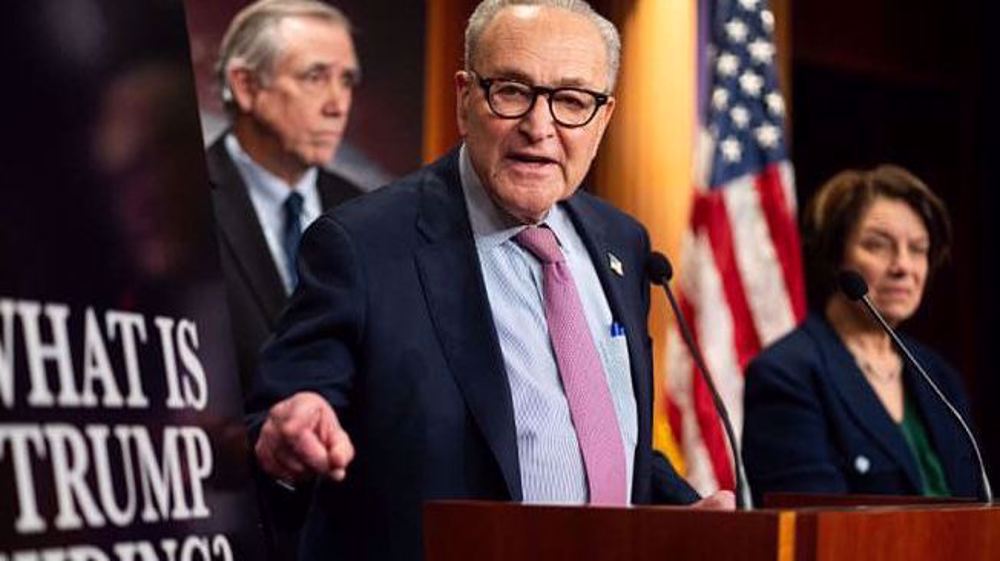
That judgment lands amid growing bipartisan unease. Lawmakers from both parties have criticized the killings, and lawsuits filed by Minnesota officials challenge the legality of the enforcement surge.
The protests are no longer only about immigration; they have become a referendum on the federal government’s willingness to turn weapons inward to maintain control.
Horne sees the current backlash as more than a temporary political storm. When asked whether Trump’s immigration agenda represents a short-term gamble or a lasting rupture, he answered, “It appears to be the latter.”
He added a chilling note of warning: “The governor of Minnesota has suggested that it might trigger civil war. However, in recent days, with the slaying of Mr. Pretti, the regime has backed down — to a degree.”
The partial pullback has done little to pacify the anger. Protest organizers point not only to Pretti and Good, but also to others killed by ICE in recent years, including Silverio Villegas-Gonzales in 2025, as evidence of a systemic pattern rather than isolated misconduct.
Their demands — accountability, defunding ICE, and a rethinking of immigration enforcement — strike at the heart of Trump’s signature policy.
Ayatollah Khamenei upheld moral leadership despite existential threats: Ex-British diplomat
Martyred Leader's defining legacy was institutionalizing resistance to Western hegemony: Academic
Ayatollah Khamenei was a transformative leader and civilizational architect: Scholar



Imam Khamenei's historic nuclear weapons fatwa through lens of civilization-building jurisprudence
Iranian people and armed forces not moved by any threats: Araghchi
Ayatollah Khamenei’s funeral in Iraq will show solidarity between two nations: Senior cleric
UNHRC demands Israel immediately release abducted Gaza hospital director
After Tehran, millions join funeral prayers for martyred Leader, family members in Qom
Mephistopheles in Berlin: Iran slams German FM’s Faustian lies on the Strait of Hormuz
VIDEO | Former UN deputy secretary-general says overhaul urgently needed
VIDEO | SCO pushes for new dollar-free financial order


 PressTV NEWSLETTER
now
PressTV NEWSLETTER
now
 This makes it easy to access the Press TV website
