Larijani: Ringleaders of rioters in recent unrest identified, some arrested
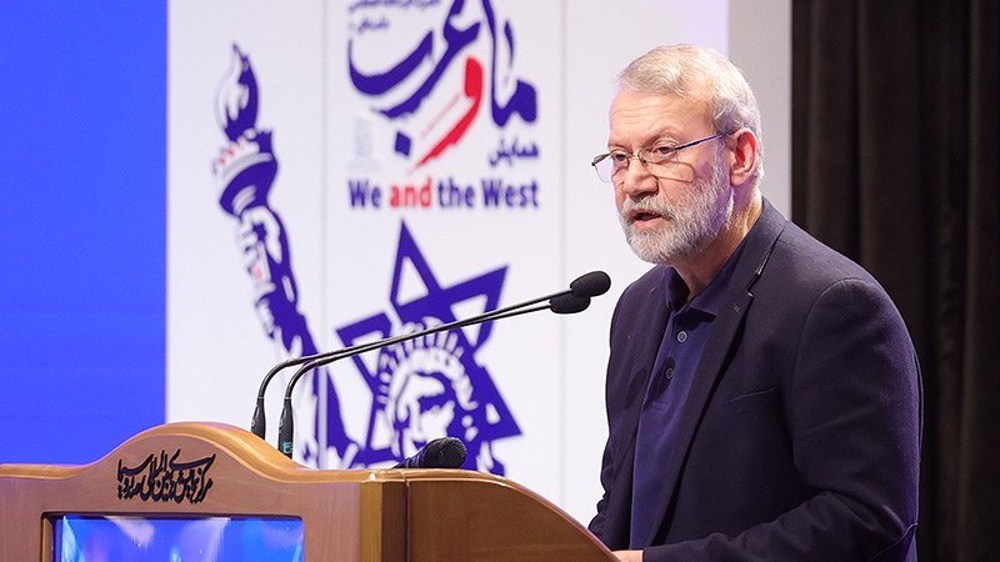
The secretary of Iran’s Supreme National Security Council says the security forces have identified the leaders of recent riots and arrested a number of them, emphasizing that the Iranian nation has demonstrated firm resistance whenever its national identity is threatened.
Speaking at a local event on Monday, Ali Larijani said that after the enemy failed to push people into the streets during the US-Israeli aggression in June, it tried to transform economic grievances and peaceful protests into street violence.
In late December, Iran saw sporadic economic protests that were quickly hijacked by rioters incited by US and Israeli leaders and aided by their spy operatives on the ground.
Larijani said US President Donald Trump had openly indicated that military action would follow any internal social crisis, describing this as a shift in US tactics aimed at weakening national unity prior to a military strike.
Trump openly and publicly encouraged violence by calling on armed rioters to take over state institutions and threatening military action against Iran if they were confronted.
Larijani underlined that opponents had outlined a four-stage strategy—public gatherings, terror, riots, and ultimately military attack—but that this plan failed due to national unity.
He added that the rioters were “quasi-terrorist urban groups,” and that some were part of organized networks previously referenced by Zionist entities as structures created inside Iran.
Larijani added that attacks on national and religious symbols—including the Iranian flag, statues of General Qassem Soleimani, mosques, and the Quran—demonstrated that the unrest went beyond economic demands.
He stated that attempts to attack military and law enforcement centers were aimed at triggering civil war and destabilizing the country.
“These actions create severe economic instability and portray the nation as being in a state of emergency,” Larijani said, adding that such conditions align with the objectives of Iran’s adversaries.
“The ringleaders of the rioters were identified by the security forces and some of them were arrested. Of course, some of these individuals had been misled; however, we encountered many cases in which weapons such as G3 rifles and pistols were brought into the field,” he noted, adding that those involved were not people who had left their homes merely to chant slogans, but were instead organized.
The top security official noted that Iran’s enemies targeted popular solidarity—described as the country’s main strength during the conflict—and pointed to public demonstrations on January 12 as evidence of the nation’s vigilance and unity.
On January 12, rallies began across the country, with Fars News Agency reporting around three million participants in Tehran alone. The demonstrations came in response to days of foreign-backed riots, during which hundreds of security personnel and civilians were killed in terrorist attacks.
“The Iranian nation has shown that when its sovereignty is violated, it will stand firm even at the cost of life,” he further said.
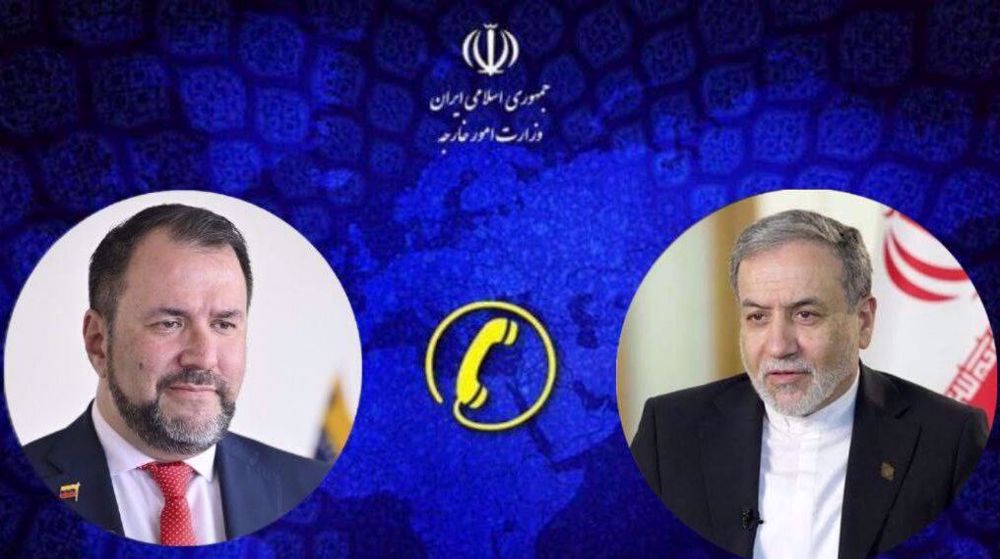
Iran offers condolences, aid to Venezuela after deadly earthquakes
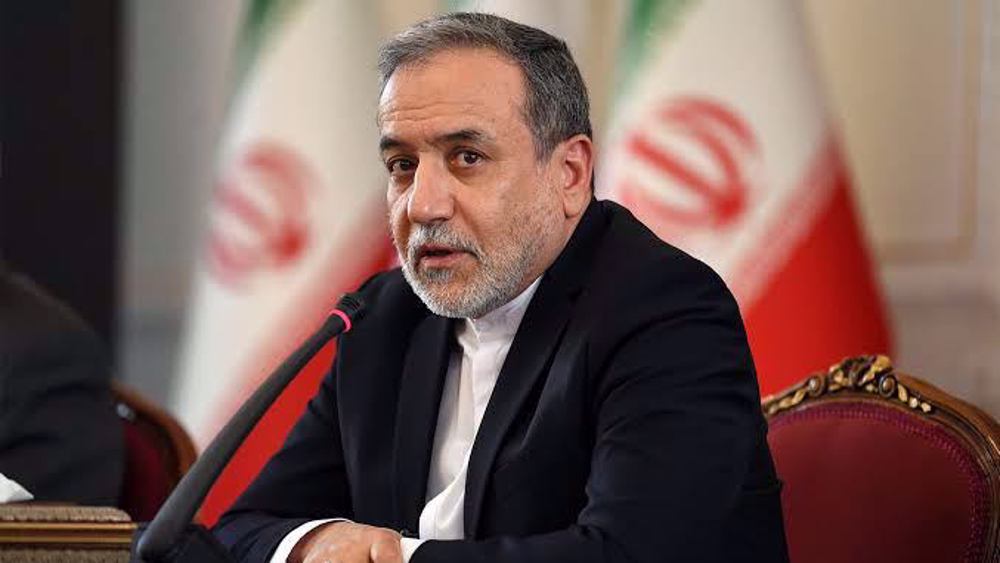
Araghchi honors Sardasht chemical attack victims, hails city as symbol of Iran’s resilience
Iran-US communication line in Hormuz political, not military; transit rules unchanged: Source


Only Iran in charge of reopening Hormuz Strait: FM Araghchi
Iran built more sophisticated weapons during latest US-Israeli onslaught: Army spox
Satellite images reveal: How Iran's precision strikes dismantled US Persian Gulf military network
In Judiciary Week message, Leader orders legal pursuit of US-Israeli war crimes against Iran
Hind Rajab Foundation lodges complaint with US Justice Department against Israeli minister
Murder is inherent in ‘evil’ US regime: Iran’s judiciary chief
Attacks on Iran reflect US’s commitment-violating nature: Tehran
Araghchi arrives in Baghdad for talks on bilateral ties, regional developments


 PressTV NEWSLETTER now
  This makes it easy to access the Press TV website