Iran reports steep rise in exports after forex policy shift
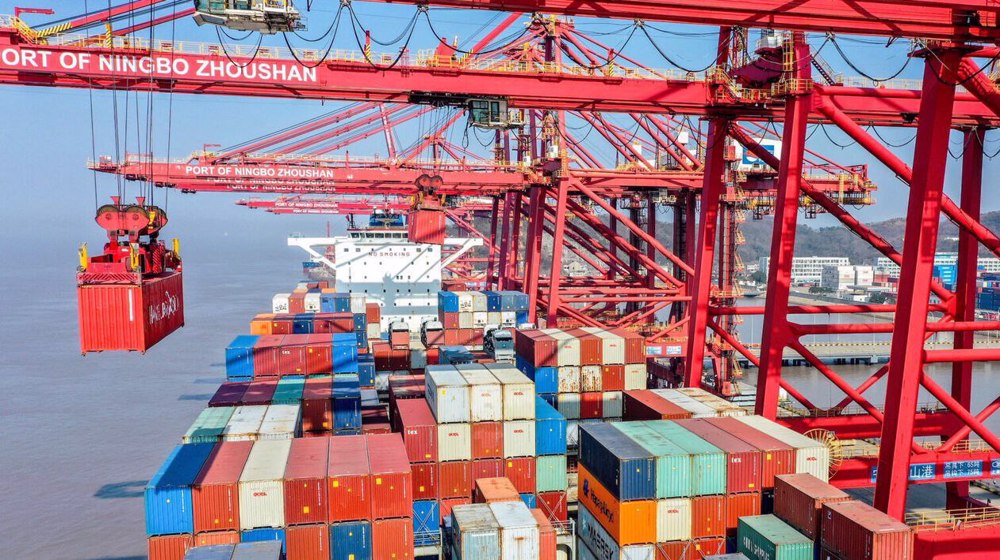
Iran has reported a significant increase in its non-oil exports following the central bank's introduction of policies aimed at reducing the gap between official and open-market exchange rates.
Figures released by the Iranian customs office (IRICA) on Tuesday showed that the value of non-oil exports from the country reached $1.7 billion in the week to January 20, an increase of 108% from the previous week.
Overseas shipments also rose by 60% in volume terms over the same period, reaching 3.449 million metric tons (mt), according to IRICA.
This steep rise in exports occurred while imports into Iran increased by only 1% week-on-week to $1.152 billion.
Reports have indicated a surge in export activity since earlier this month, when the Central Bank of Iran (CBI) announced measures to narrow the gap between official and free-market currency rates.
The policy has encouraged more exporters to supply their foreign currency earnings to the state-regulated platform, known as the Integrated Currency System (ICE), where importers can obtain currency at more favorable rates.
The increased supply of export proceeds to the ICE also provides more export quotas for Iranian manufacturers of petrochemical and steel products.
Furthermore, the policy has contributed to a decline in hard currency prices in the open market, with rates falling by as much as 8% compared to early January.
IRICA's Tuesday figures also showed that Iran increased its imports of basic goods by 38% in the week to January 20. The country had recently faced delays in unloading essential goods at its southern ports, mainly due to hold-ups in hard currency payments.
Iran, Pakistan forge blueprint for Islamic economic integration
US Treasury issues waiver for Iranian oil exports under Islamabad MoU
Super-sized drilling rig installed at Iranian offshore oilfield



Trump criticized Spain for not meeting NATO spending targets
Arab League, Arab Parliament condemn repeated Israeli attacks on Syria
Management of Strait of Hormuz solely Iran’s responsibility: Senior MP
Martyred Leader's funeral to serve as global movement against terrorism, US-Zionist crimes: Army
2026 World Cup: Iran prepares to depart Mexico after 24-day stay in Tijuana
At UN Security Council, Palestine envoy urges world to stop Israeli annexation
Two IRGC servicemen martyred in terror attack in western Iran
VIDEO | Pakistan launches fourth cross-border strikes inside Afghanistan


 PressTV NEWSLETTER
now
PressTV NEWSLETTER
now
 This makes it easy to access the Press TV website
