Foreign force’s withdrawal sole solution to ongoing Yemen crisis, says Ansarullah official
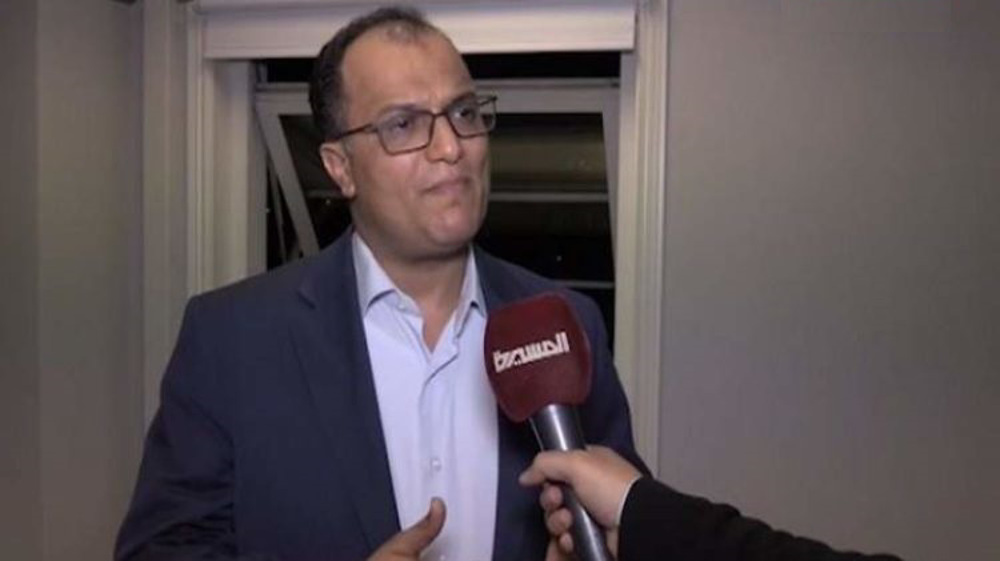
A senior member of the political bureau of Yemen's Ansarullah resistance movement says continued foreign interference in his country’s domestic affairs would fail to resolve the lingering crisis, stressing that any mediation by neighboring countries is unhelpful as they are themselves involved in the conflict.
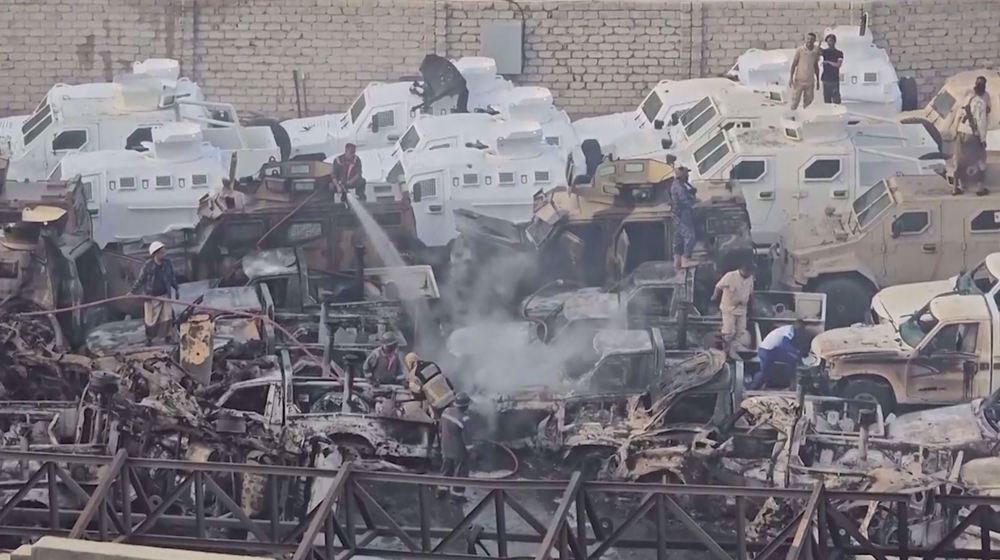
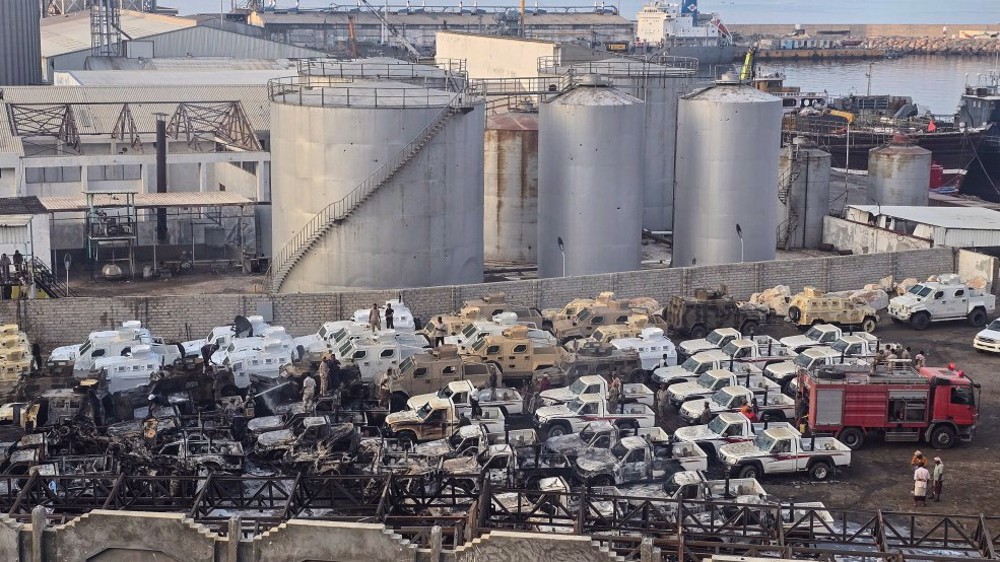
Abdul Malik al-Ejri wrote in a post published on the social media platform X that the recent armed clashes between Saudi-backed forces loyal to the so-called Presidential Leadership Council (PLC) and UAE-allied Southern Transitional Council (STC) separatists in southern and eastern Yemen have proven that foreign involvement has only exacerbated the Yemeni crisis.
He dismissed the United Arab Emirates’ announcement of an end to its military presence in Yemen as woefully insufficient, calling for the full withdrawal of all remaining foreign military units from Yemeni territory.
Ejri, who is also a member of Yemen's negotiating team, highlighted that no neighboring country can lead a solution or mediation as long as it is directly involved in the aggression against Yemen, emphasizing that impartiality is a fundamental prerequisite for any credible political role.
He decried as “delusional” bids by the Yemeni parties to seek foreign-devised solutions to the ongoing crisis, underscoring that any genuine resolution must be entirely homegrown.
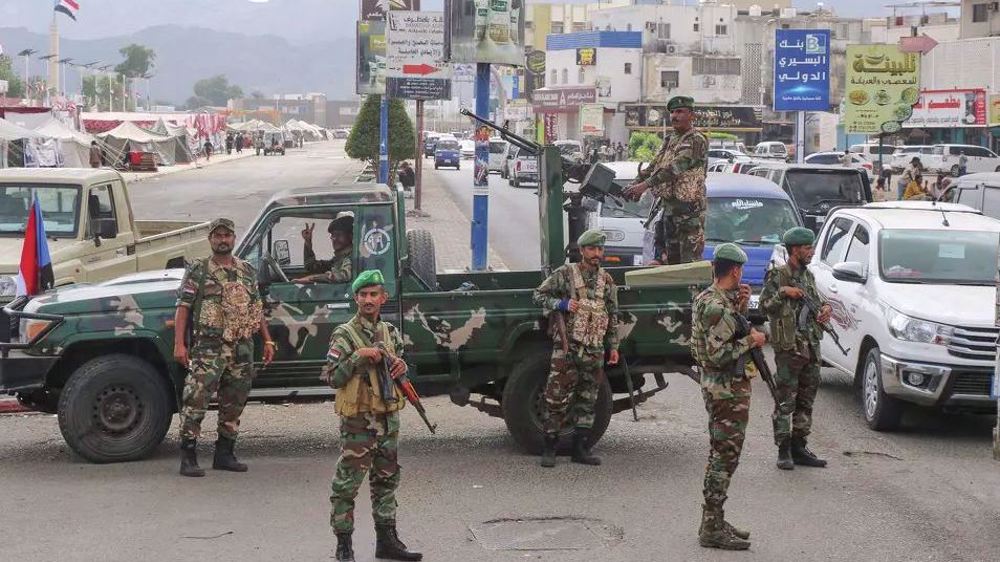
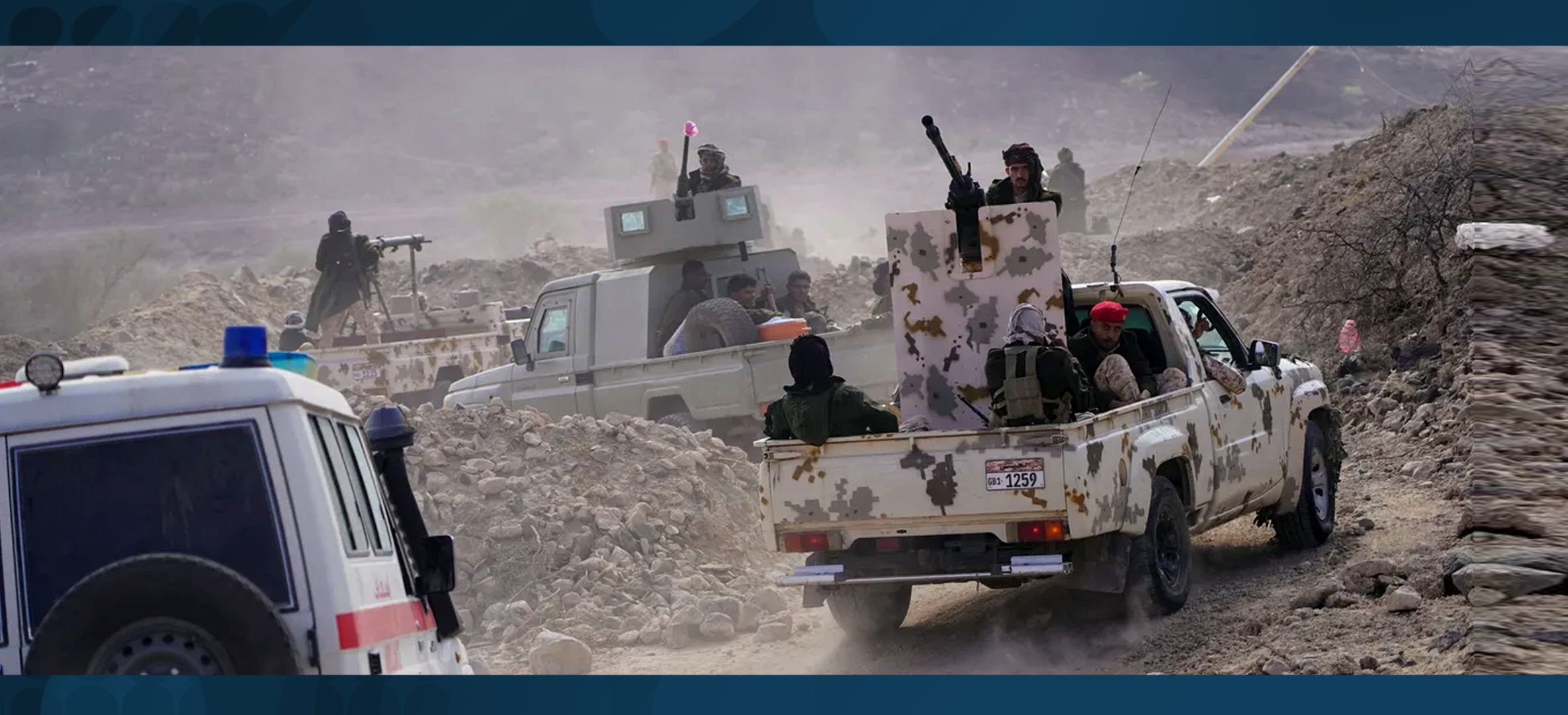
Video shows that Saudi-backed Homeland Shield forces are advancing towards the Yemeni city of Mukalla, seizing new areas in Hadhramout.
The forces have begun receiving heavy weapons from Southern Transitional Council (STC) units in al-Mahra governorate, according to local media outlets.
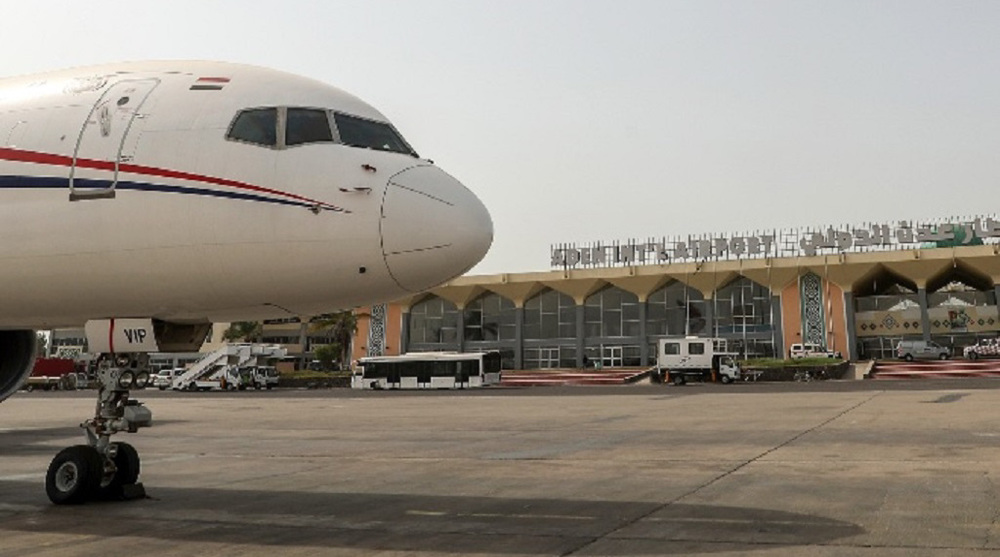
Local sources said Homeland Shield forces have designated a safe corridor for STC separatists to withdraw from al-Mahra to Aden.
Yemen has faced external interference for decades, which has has had implications on political and economic development and on human security in the country.
Apart from interference by Saudi Arabia and the UAE, the United States and Israel have also conducted deadly attacks in the capital Sana’a, resulting in civilian casualties.
The conflict comes as the UN has warned of its ramifications for vulnerable communicates in the Arab country, amid concerns over poor access to life-saving services and worsening needs.
Yemen vows to deal severe blow to Saudis if meddling continues
Yemeni people appreciate Iran’s efforts to break Saudi siege
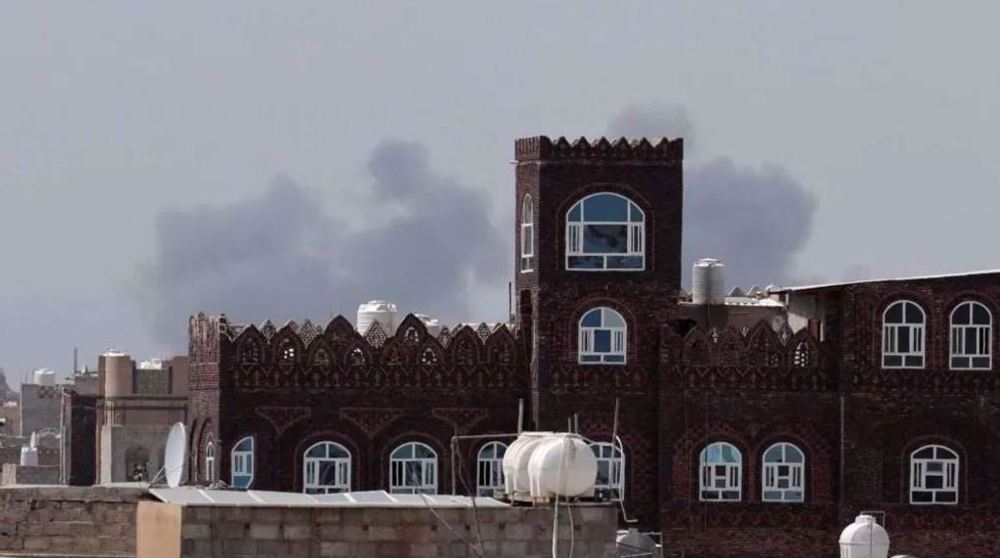
Yemen vows ‘direct, equivalent’ response to Saudi aggression


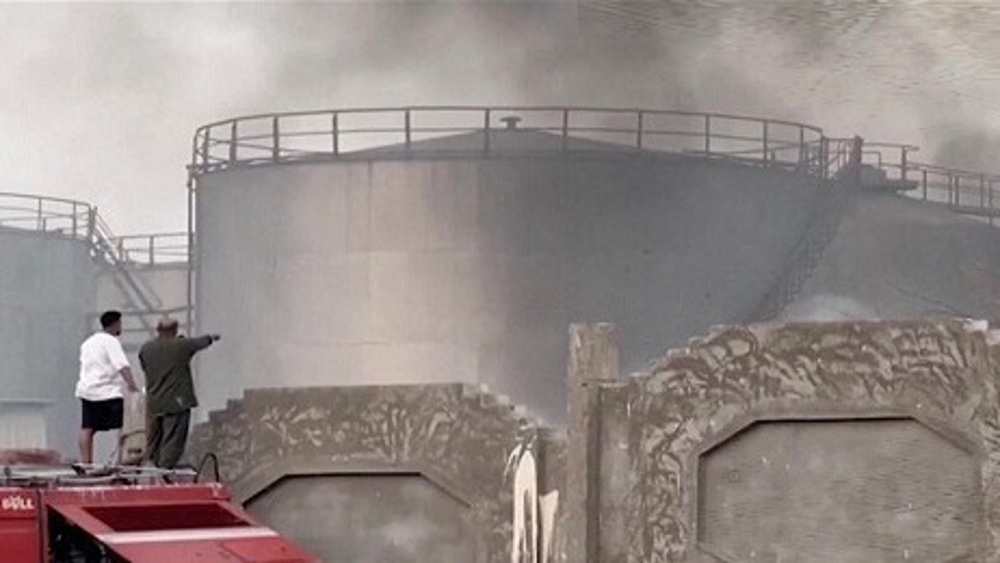
Yemen coordinating with Axis of Resistance in countering US-Israeli aggression: Ansarullah
Top general: Iran’s Armed Forces to deliver ‘devastating response’ to any aggression
VIDEO | Pro-Palestine march urges policy shift from incoming UK PM
Iran, Iraq reaffirm commitment to consultations to maintain regional peace and security
VIDEO | Escalating US attacks risk plunging region into chaos, says analyst
VIDEO | Recent US MoU violations signal broader regional agenda: Commentator
President Pezeshkian: Leader’s message of unity key to safeguarding Iran’s national interests
Ayatollah Khamenei hails Iraqis for ‘epic’ funeral processions held for martyred Leader



 PressTV NEWSLETTER
now
PressTV NEWSLETTER
now
 This makes it easy to access the Press TV website
