Israel conducts multiple airstrikes across south Lebanon, violating ceasefire
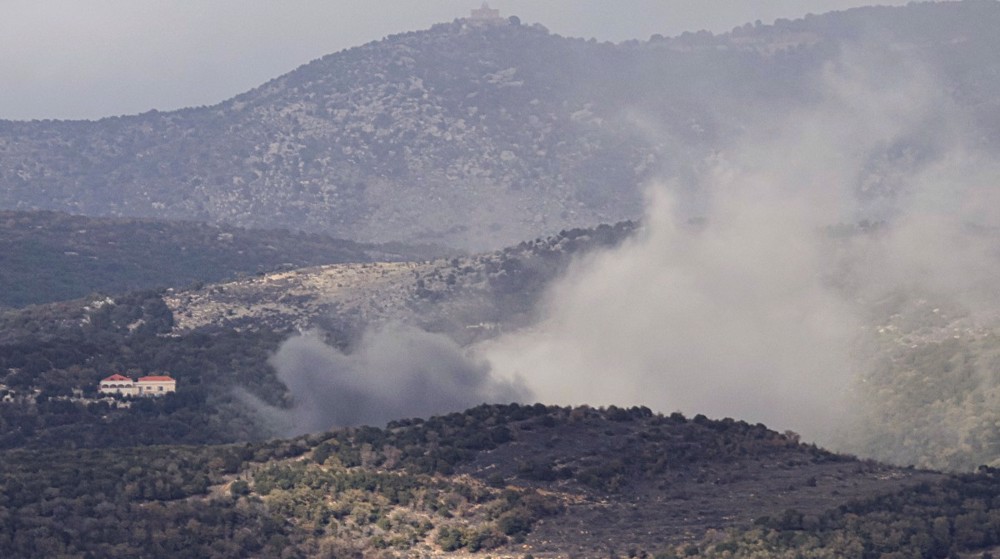
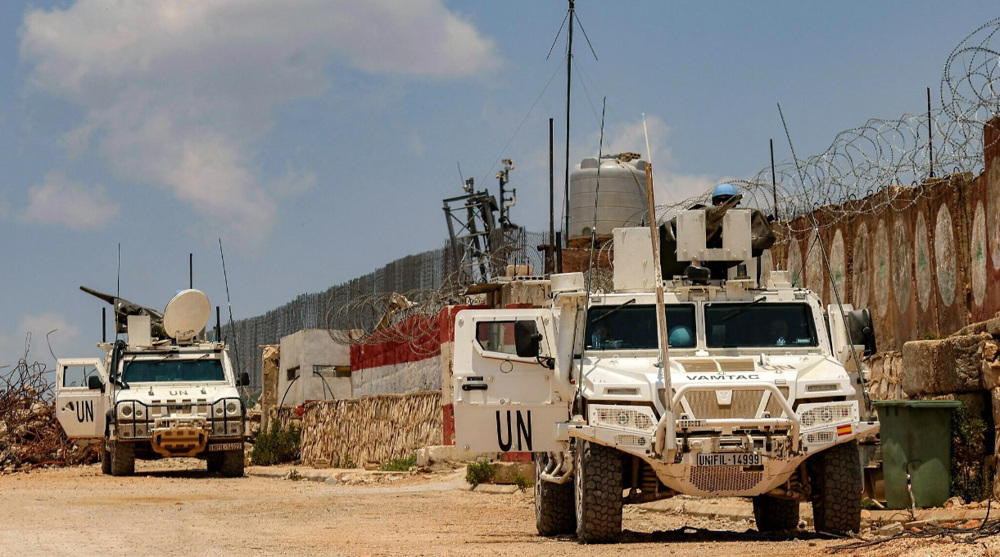
Israeli occupation forces have carried out multiple airstrikes across southern Lebanon, in a renewed violation of the ceasefire agreement reached between Hezbollah and Israel in late November 2024.
According to Al Mayadeen news network, Israeli warplanes on Friday targeted the Louaizeh Heights in the Jezzine district and the Tibna area in the Saida district.
Further strikes were reported on the outskirts of the town of Ansar and in the Wadi Zifta area, both located in the Nabatieh district of southern Lebanon.
Al Jazeera Arabic also reported that Israeli raids hit Jabal al-Rayhan, the surroundings of Tebna and Wadi Zifta, as well as a separate strike on an uninhabited mountain area in the western Bekaa region in eastern Lebanon.
Earlier in the day, an Israeli helicopter reportedly targeted an excavator in the border town of Aita al-Shaab, near the Lebanese-Palestinian border, according to reports.
Israeli army spokesperson Avichay Adraee claimed in a post on X that the air force had targeted a “training complex” belonging to Hezbollah’s Radwan Force, along with, what he alleged, were military buildings.
Adraee also stated that the Israeli military intercepted a “false target” near the northern Israeli town of Buram after sirens were activated over a suspected drone infiltration. However, Reuters quoted a source close to Hezbollah as saying the group had no connection to the incident.
The latest attacks come amid continued reports of Israeli violations of the Declaration of Cessation of Hostilities issued on November 27, 2024, as well as UN Security Council Resolution 1701, adopted in 2006.
Tensions have steadily escalated in southern Lebanon as Israel continues air raids while claiming it is targeting Hezbollah infrastructure.
Late last month, Israeli aircraft also carried out airstrikes on the outskirts of the town of Basalya in the Jezzine district and the Shmein area in the Shebaa Heights.
In addition, Al Mayadeen’s correspondent reported that the Hermel highlands in eastern Lebanon were subjected to intense Israeli air raids.
The situation along the Lebanese border remains tense, raising concerns about the durability of the ceasefire and the potential for further escalation.
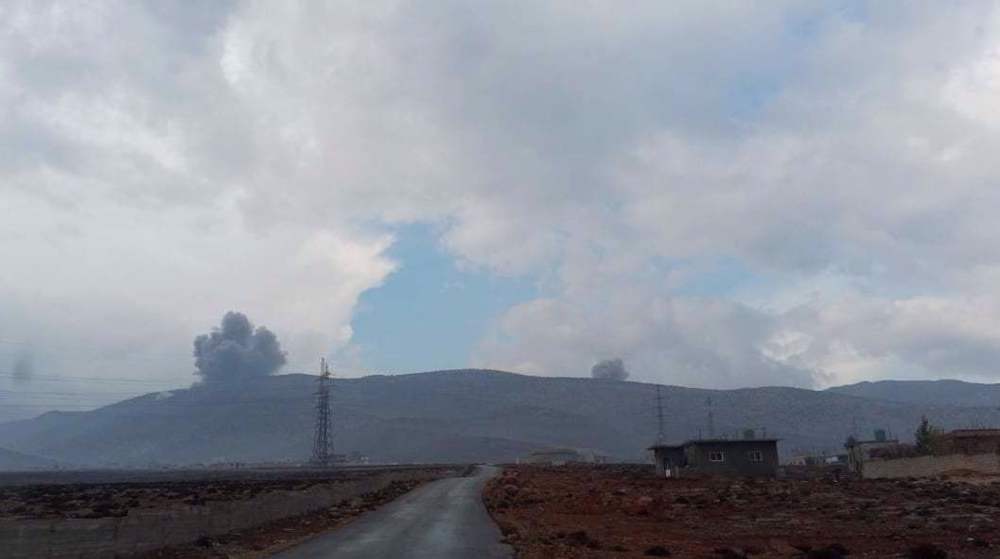
Lebanese officials and observers warn that the strikes undermine the ceasefire and worsen instability.
Between October 2023 and November 2024, Israeli attacks killed more than 4000 people in Lebanon, including 736 women, 222 health and rescue workers, and 248 children, according to the Lebanese Health Ministry.
Under the ceasefire agreement, Israeli forces were expected to withdraw from southern Lebanon by January 2025, but the pullout has remained incomplete.
Meanwhile, diplomatic pressure has intensified on Beirut. On December 18, French, Saudi, and US officials met in Paris with the commander of the Lebanese Armed Forces to discuss a roadmap for disarming Hezbollah.
The resistance group has repeatedly said it will not disarm as long as Israeli forces occupy parts of southern Lebanon and continue to launch attacks, warning that ongoing violations risk collapsing the already fragile truce.
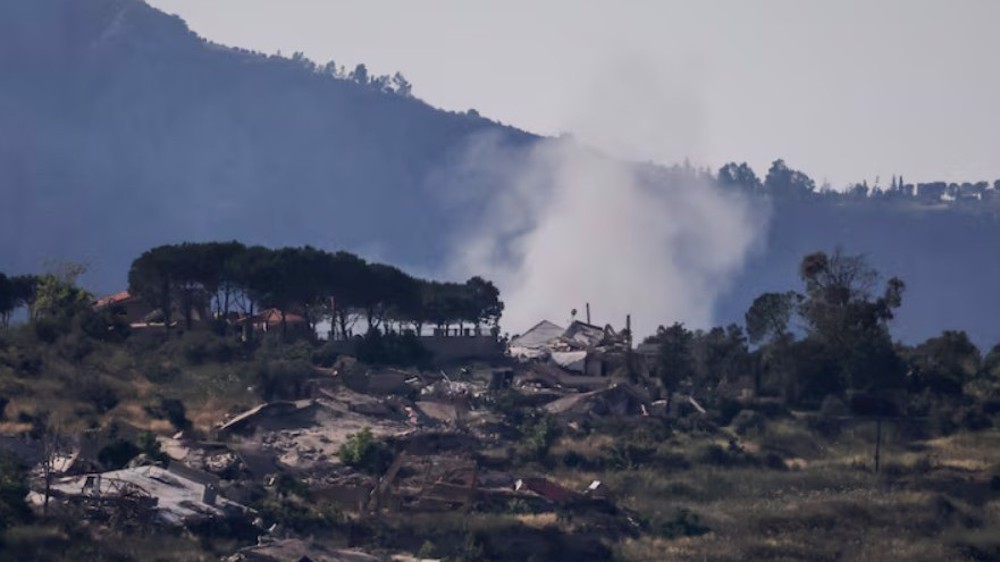
Hezbollah confident Iran will shield Lebanon in any deal with US
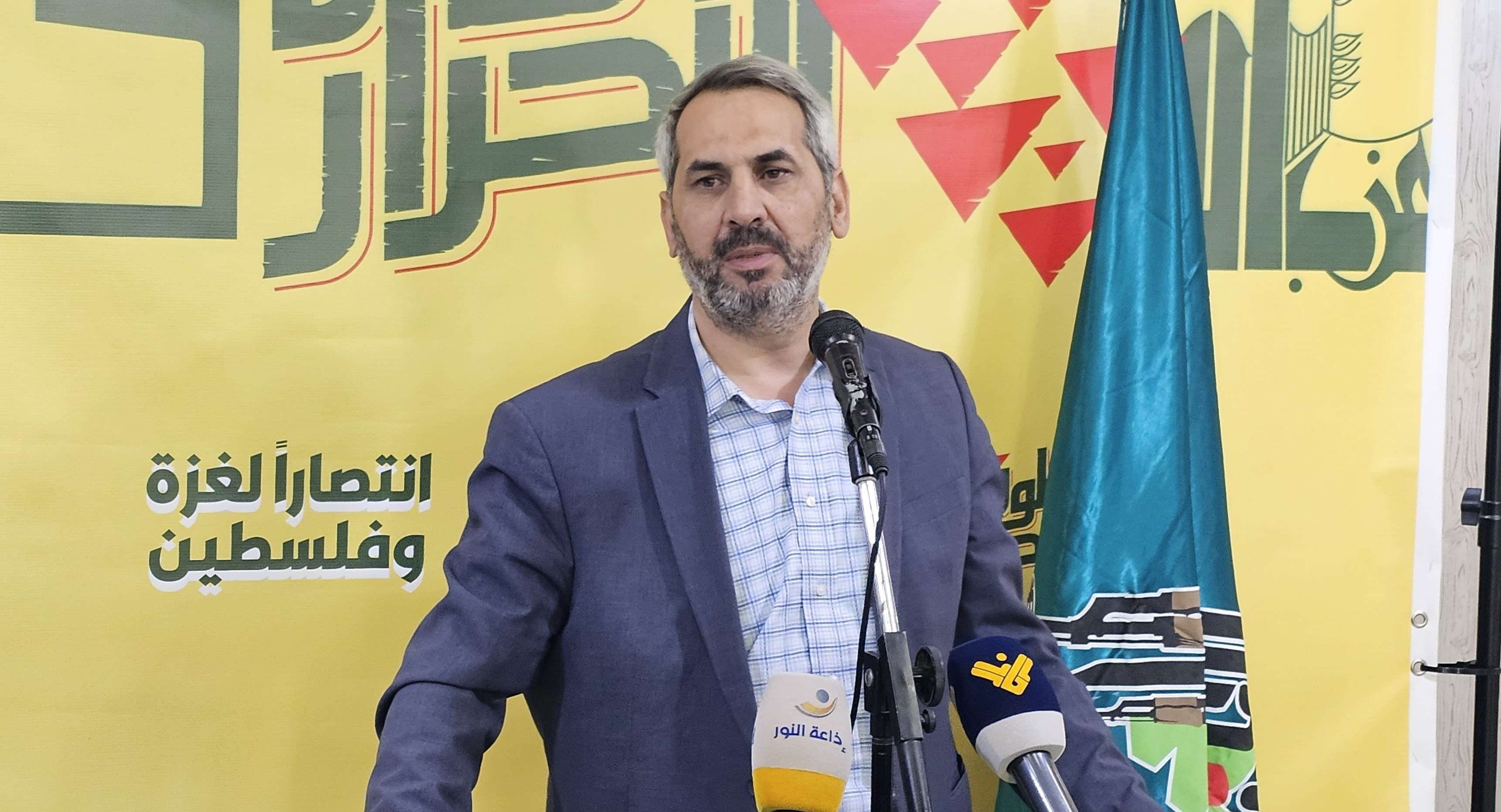
No security for Zionists anywhere if Lebanon is not secure: Hezbollah MP
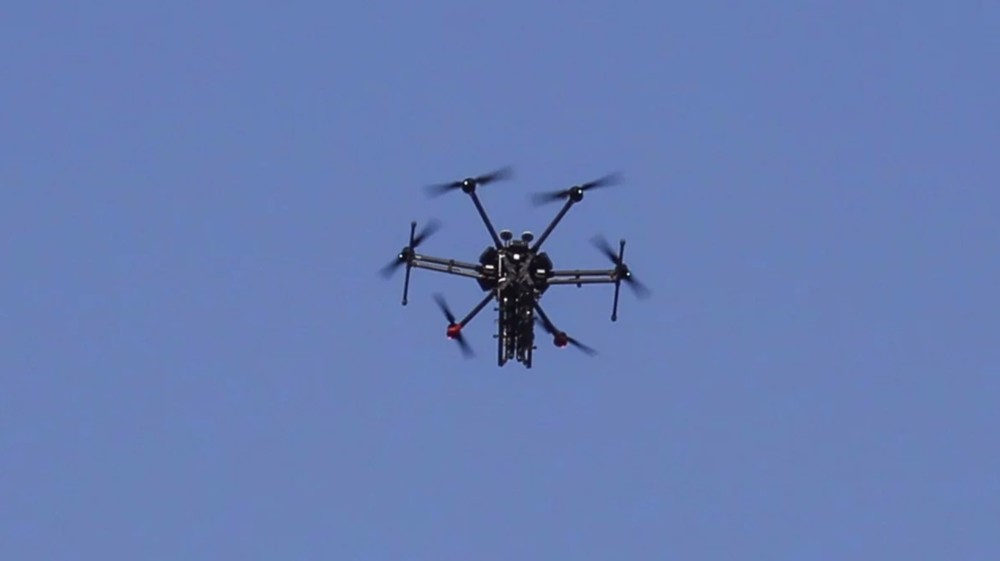
Israeli drones use crying children, sirens to spread fear in south Lebanon: Residents


Iran vows to avenge 104 sailors martyred in US torpedoing of frigate
President: Iranians united on defending their country in face of threats
Hezbollah confident Iran will shield Lebanon in any deal with US
Iran, UAE officials hold first ‘face-to-face meeting’ since war: Report
VIDEO | Displaced Palestinians protest Israeli-made water crisis
VIDEO | Pakistan's parliament condemns Israeli hostilities, US aggression against Iran
VIDEO | Iranians keep flag flying for over 100 nights in 'Flag Will Not Fall' campaign
VIDEO | US raises East Asia tension with weapons for South Korea


 PressTV NEWSLETTER
now
PressTV NEWSLETTER
now
 This makes it easy to access the Press TV website
