Araghchi says Iran satellite program ‘entirely peaceful’ ahead of triple launch
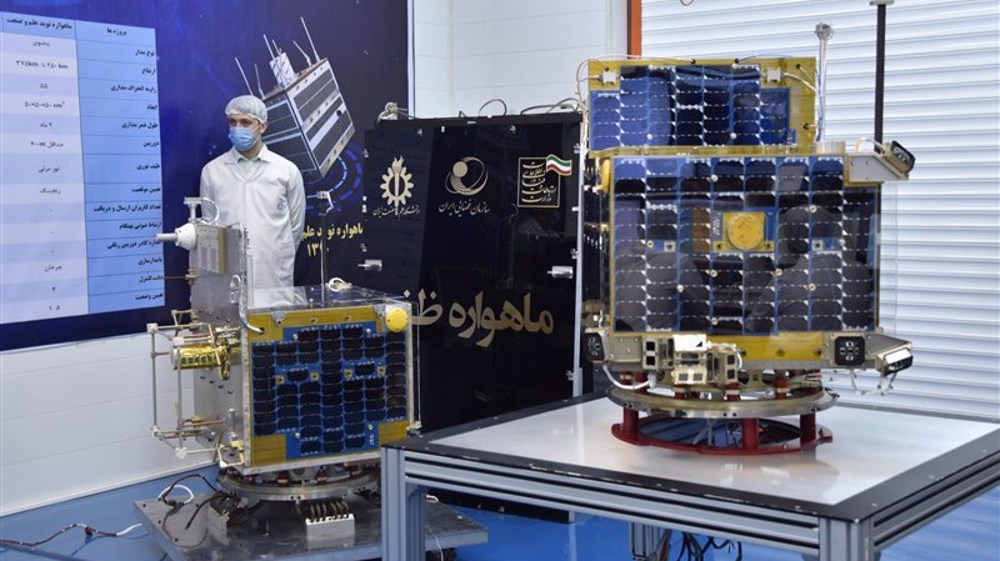
Iran’s foreign minister said Tehran’s satellite program is strictly civilian and scientific, as the country prepares to launch three domestically built satellites into orbit this weekend.
Speaking to reporters on Friday, Abbas Araghchi said Iran has made notable progress across several scientific fields.
“Iran's activities in the areas of nuclear science, defense industries, nanotechnology, and satellites are entirely peaceful and intended for peaceful purposes,” he said.
Araghchi added that Iran is steadily advancing its satellite capabilities, saying the country is taking “successful” steps to develop space technology.
He stressed that Iran, like other countries, has a legitimate right to pursue satellite programs for non-military purposes, noting that the satellites are “solely for scientific objectives.”
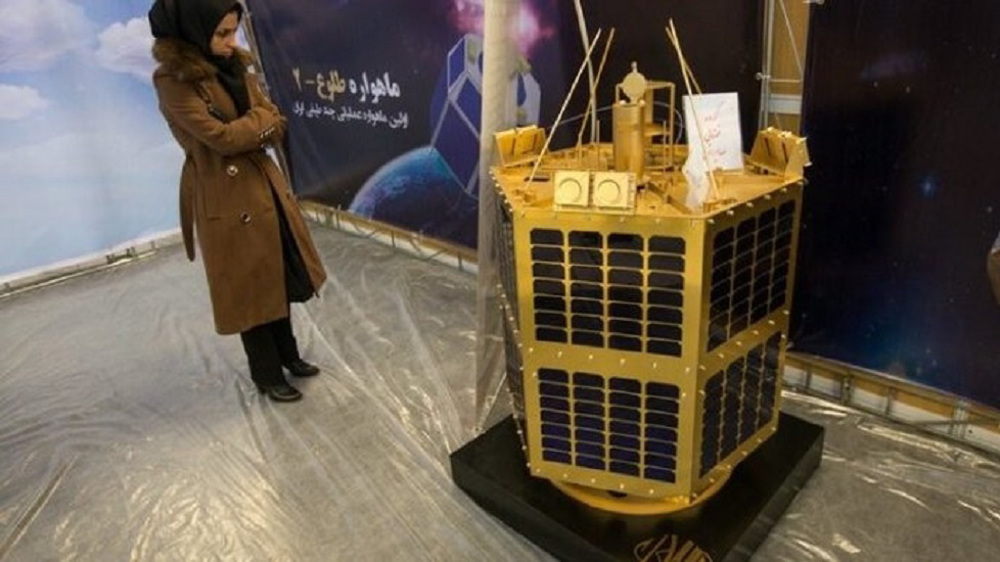
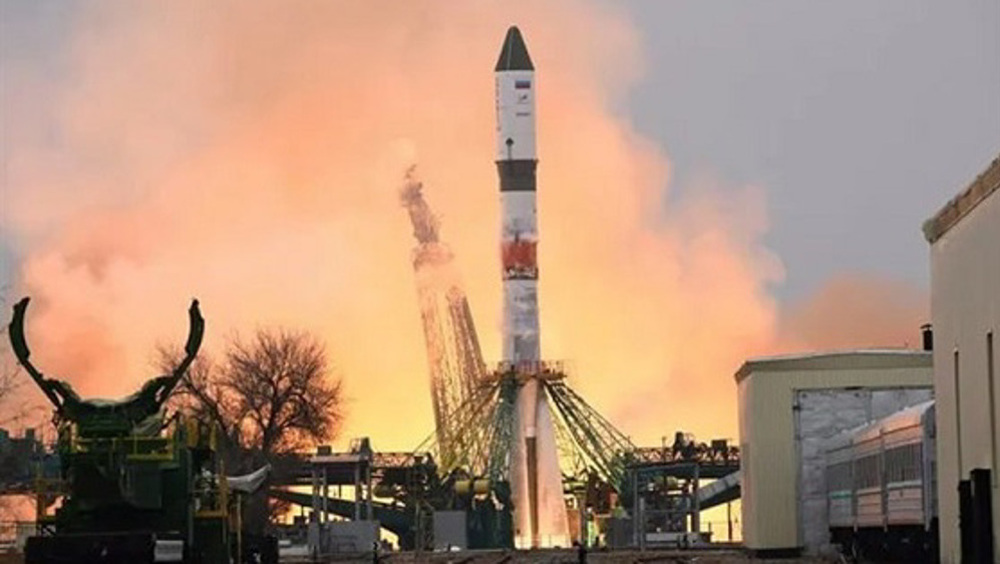
His remarks come ahead of a planned launch of three Iranian satellites—Tolou-3 (also known as Paya), Zafar-2, and Kowsar-1.5—scheduled for Sunday.
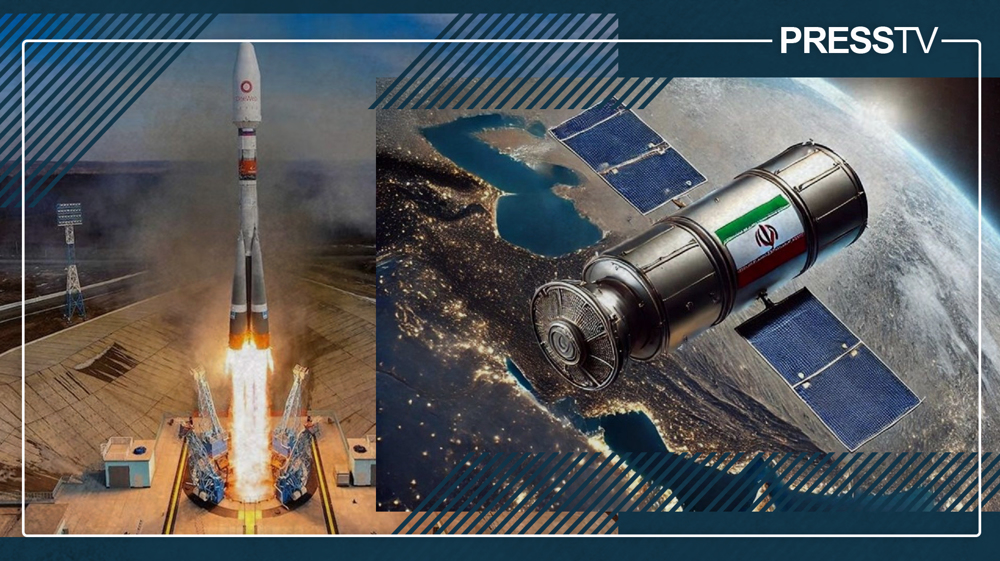
The satellites are to be launched at 1318 GMT aboard a Russian Soyuz rocket from the Vostochny Cosmodrome in Russia’s Far East.
Tolou-3 is Iran’s heaviest Earth-observation satellite to date, weighing about 150 kilograms. It provides imagery with a resolution of roughly five meters in black and white and about 10 meters in color. Its data can be used for agriculture monitoring, water resource management, environmental mapping, and tracking natural hazards such as floods and droughts.
Zafar-2, developed by the Iran University of Science and Technology, is also an Earth-observation satellite. It is designed to monitor natural resources, assess environmental conditions, observe disasters, and support mapping efforts.
Kowsar-1.5 is an upgraded, integrated version of the Kowsar-1 and Hodhod-1 second-generation satellites. It features Internet of Things (IoT) capability, enabling data transmission for smart monitoring applications.
Iran first entered space in 2009 with the launch of the Omid satellite. Despite Western sanctions, it has continued to expand its civilian space program, which is focused on scientific research and satellite-based services.

Islamabad MoU follow-up tops agenda as Pakistan's interior minister meets Araghchi

‘Minab 168’: Iran delegation heads to Switzerland to press US over Israeli attacks on Lebanon
Iran slams Israel's 'shameful arrogance' at UN, calls for global action



Israeli minister defies US, says occupation forces will stay in Lebanon for years
Imam assaulted outside mosque in Canada amid rising Islamophobia
Israeli soldier slain, 13 others injured in southern Lebanon
Man charged after suspected anti-Muslim attacks in Edinburgh
Power remains the only reliable guarantee against enemies: IRGC Navy official
Iran Parl. speaker vows fidelity to martyrs upon reaching Switzerland for Islamabad MoU talks
Iranian delegation arrives in Switzerland to follow up on Islamabad memorandum
US-Israeli war accelerates Iran's rare earth development





 PressTV NEWSLETTER now
  This makes it easy to access the Press TV website