Israeli airstrikes hit eastern, southern Lebanon in fresh ceasefire breach
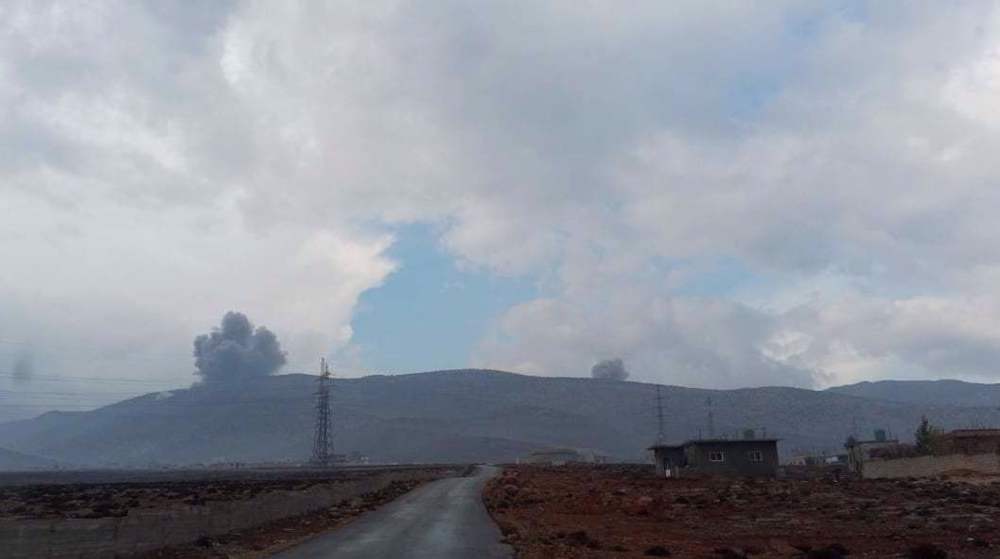
Israeli warplanes launched fresh airstrikes across eastern and southern Lebanon on Friday, extending a pattern of ceasefire violations that has continued for months.
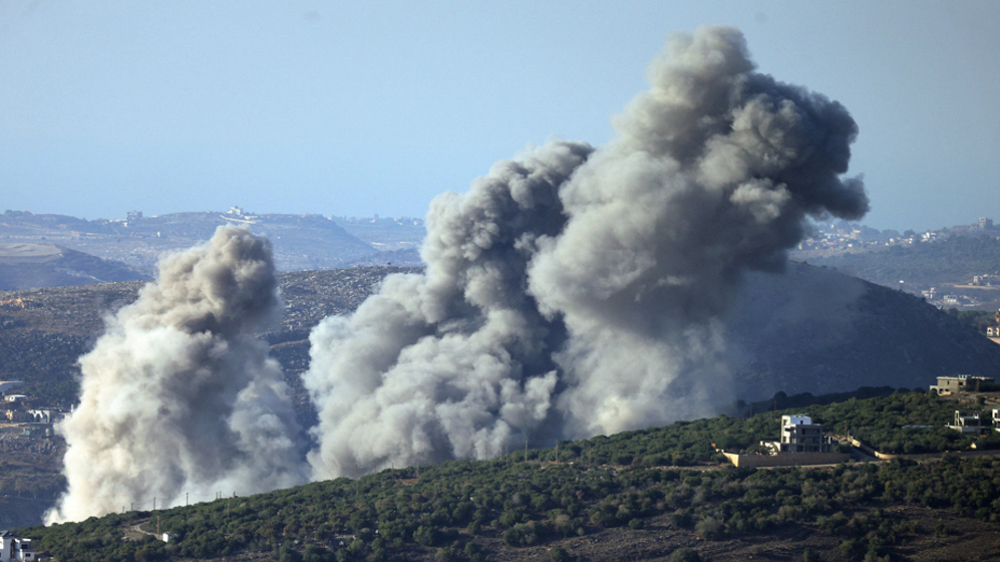
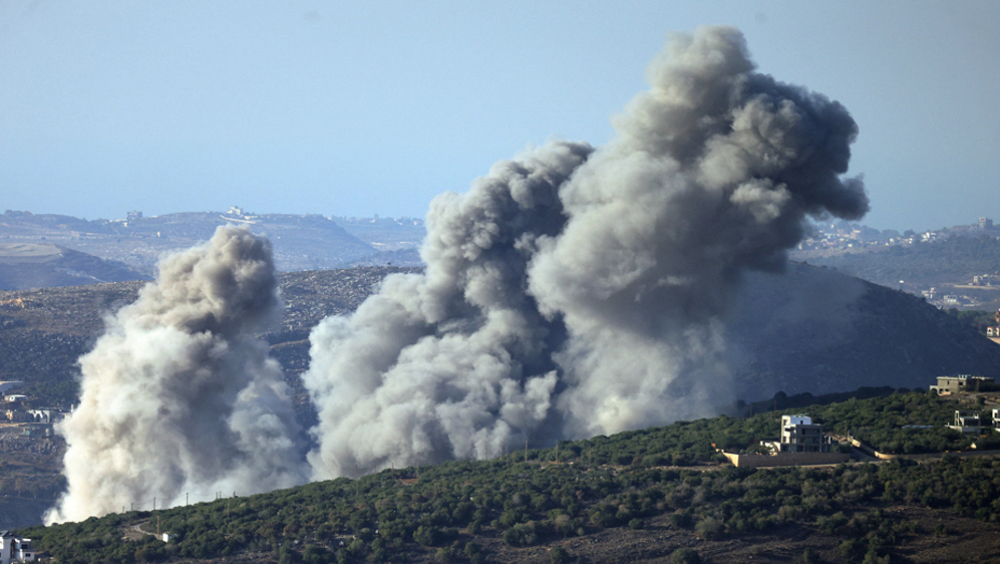
Israeli fighter jets launched multiple raids on areas in the Bekaa Valley and southern Lebanon, triggering powerful explosions and sending thick plumes of smoke into the air, according to Al-Manar.
Targets included the Zghrin mountains on the outskirts of Hermel, where footage showed dense smoke rising after the strikes. Israeli aircraft were also seen flying at very low altitude over Baalbek and northern Bekaa.
Additional air raids struck the Besliyeh area on the outskirts of Jbaa in Jezzine district, as well as areas near the town of Kfarmelki in southern Lebanon, Al-Manar reported.
Lebanon’s National News Agency (NNA) similarly confirmed a “series of airstrikes” by Israeli aircraft on mountainous regions in the Nabatiyeh and Jezzine districts in the south, and in Hermel district in eastern Lebanon.
Israeli forces launch a series of airstrikes across southern Lebanon.
— PressTV Extra (@PresstvExtra) December 26, 2025
Follow: https://t.co/7Dg3b41hTx pic.twitter.com/Pj95dnxVVk
The Israeli military acknowledged the attacks, claiming they targeted Hezbollah positions.
In a statement, it claimed strikes hit weapons depots and a training complex. Military spokesperson Avichay Adraee said the raids targeted what he described as “a training compound belonging to the Radwan Force unit and several weapons warehouses,” a claim Lebanese sources did not independently verify.
Despite the ceasefire reached in November 2024 after more than a year of fighting between Israel and Hezbollah, Israeli forces have continued to carry out near-daily attacks inside Lebanese territory.
Israeli troops also remain deployed at five locations along the border despite provisions in the truce requiring a full withdrawal.
According to an AFP tally based on Lebanese health ministry figures, more than 340 people have been killed by Israeli fire in Lebanon since the ceasefire took effect.
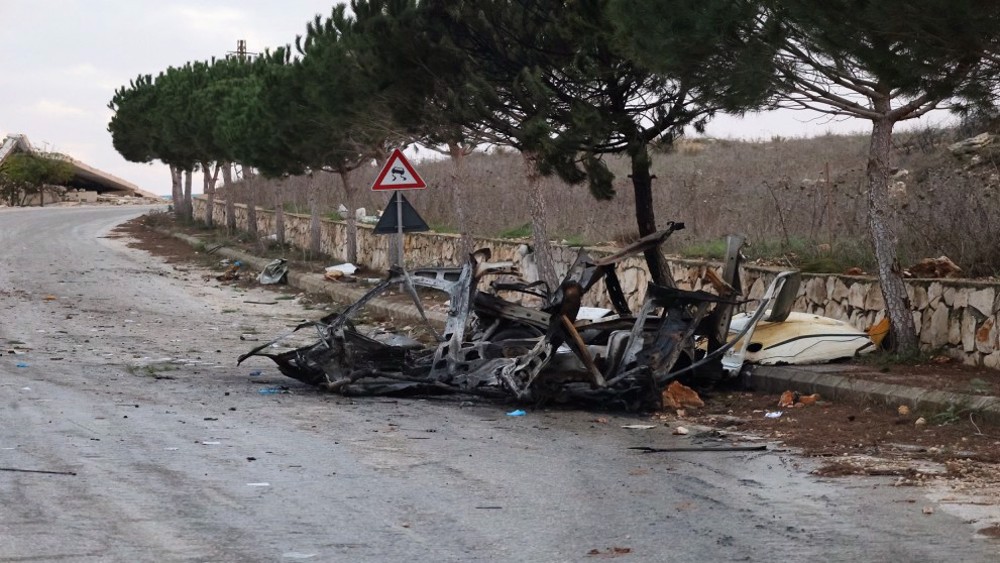
Friday’s strikes came just one day after similar Israeli attacks near the Syrian border and in southern Lebanon killed three people.

The United Nations Interim Force in Lebanon (UNIFIL) has documented the scale of Israeli violations since the truce began, reporting more than 7,500 airspace violations and nearly 2,500 land breaches.
Tensions have steadily escalated in southern Lebanon as Israel continues air raids while insisting it is targeting Hezbollah infrastructure.
Lebanese officials and observers argue the strikes undermine the ceasefire and worsen instability.
Between October 2023 and November 2024, Israeli attacks killed more than 3,961 people in Lebanon, including 736 women, 222 health and rescue workers, and 248 children, according to the Lebanese Health Ministry.
Under the ceasefire agreement, Israeli forces were expected to withdraw from southern Lebanon by January, but the pullout has remained incomplete.
Meanwhile, diplomatic pressure has intensified on Beirut. On December 18, French, Saudi and US officials met in Paris with the commander of the Lebanese Armed Forces to discuss a roadmap for disarming Hezbollah.
The resistance group has repeatedly said it will not disarm as long as Israeli forces occupy parts of southern Lebanon and continue to launch attacks, warning that ongoing violations risk collapsing the already fragile truce.
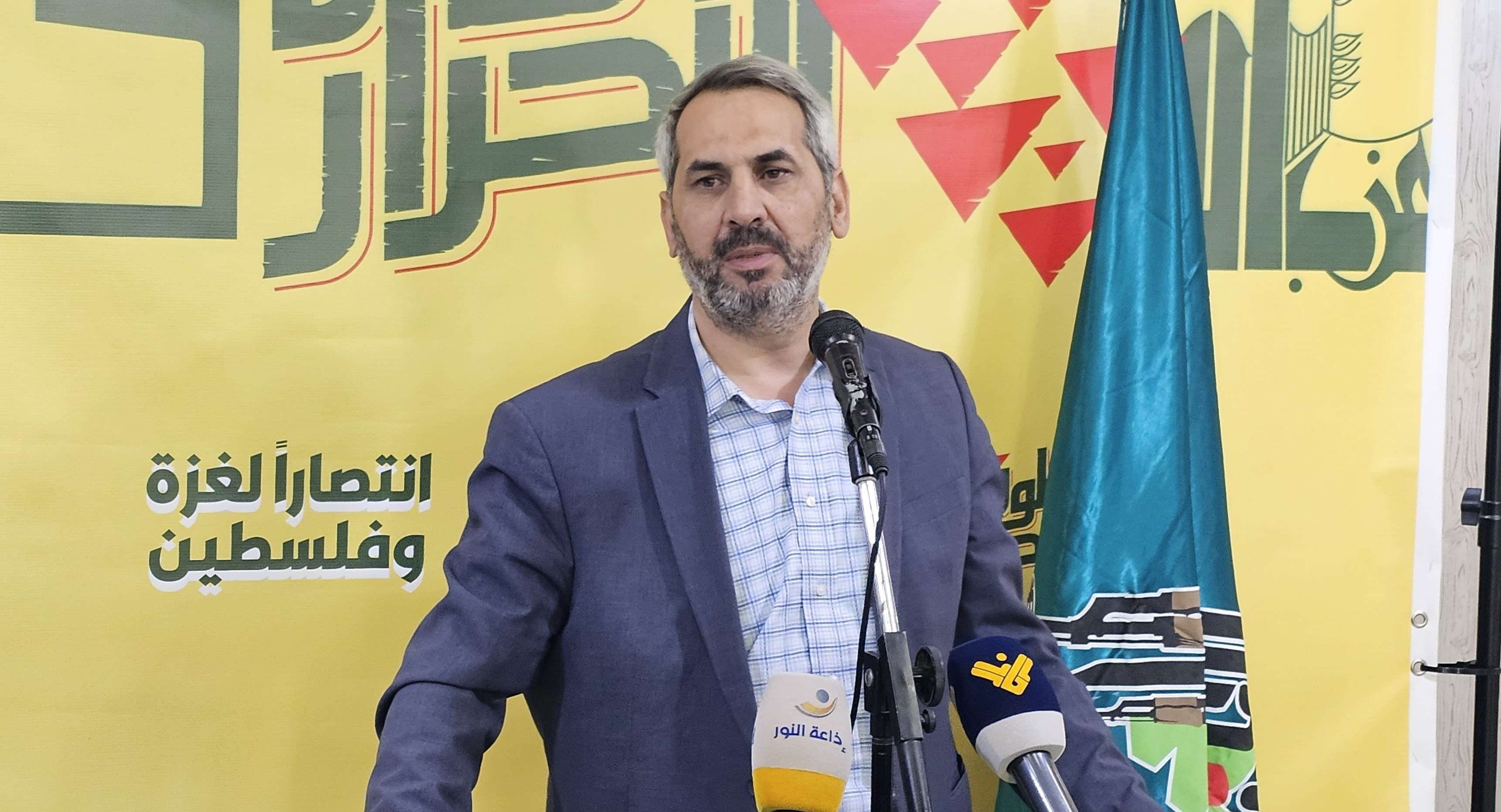
No security for Zionists anywhere if Lebanon is not secure: Hezbollah MP
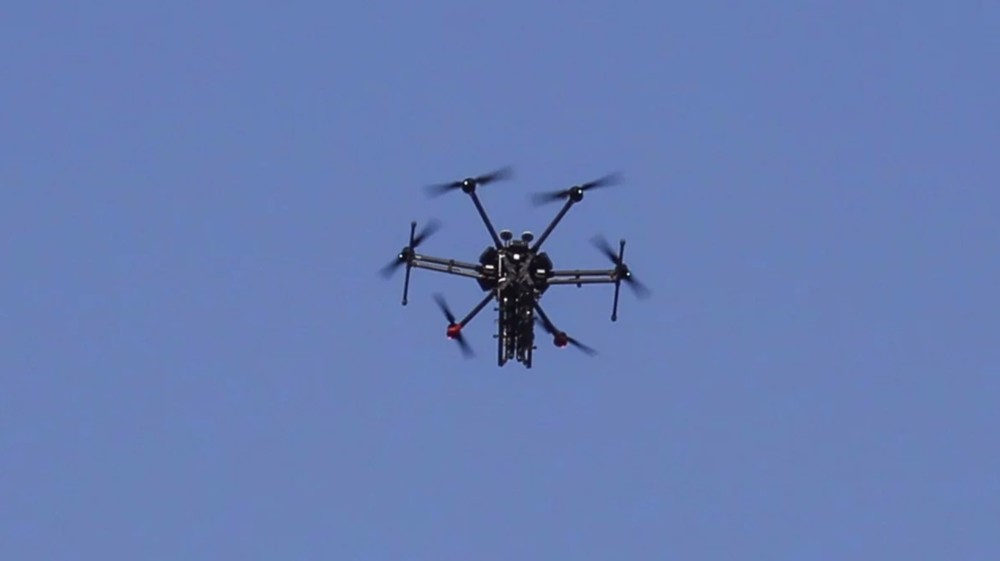
Israeli drones use crying children, sirens to spread fear in south Lebanon: Residents

Israeli airstrikes kill at least nine in southern Lebanon’s Tyre



'You reap what you sow': Iran's parl. speaker warns US against breaking potential commitments
FM outlines contours of proposed MoU, says diplomacy’s role is to consolidate battlefield gains
June 12: Iran says MoU with US nearing completion, while reaffirming red lines and military readines
US spy chief reveals declassified files exposing US-backed overseas biolab network
UK judge brands Palestine Action activists ‘terrorists’ for storming Israeli weapons company
Israel intensifies airstrikes and home demolitions across Gaza
Iraq thwarts assassination plot against National Security Service chief
Text of Iran-US deal ‘reached’, Pakistan working to ‘finalize next steps’: PM Sharif




 PressTV NEWSLETTER now
  This makes it easy to access the Press TV website