Egypt reaffirms ‘clear and firm’ stance: Rafah will not be a channel for Palestinian displacement
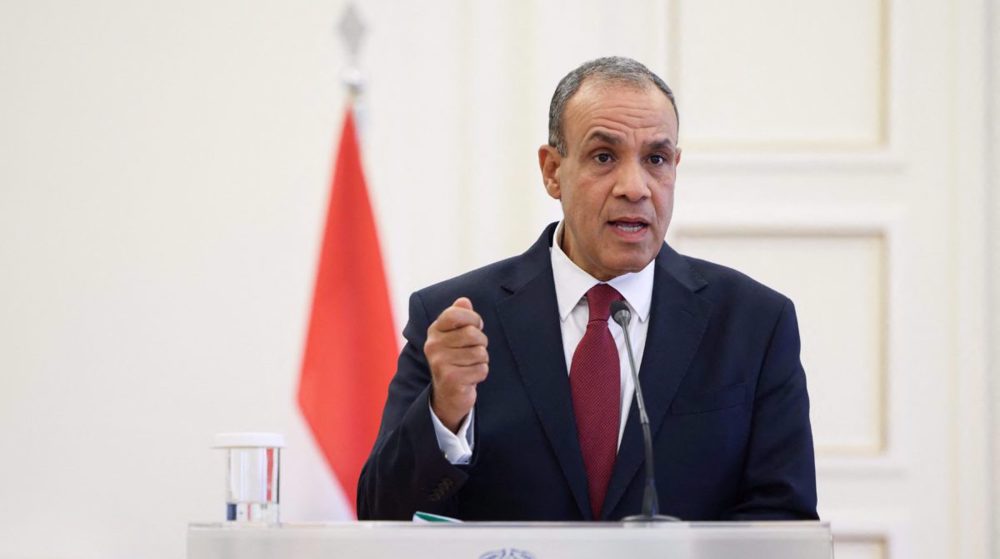
Egypt has reaffirmed that it will not allow the Rafah border crossing to be used to displace Palestinians, stressing the need for international monitoring of the current ceasefire amid ongoing Israeli violations.
Egyptian Foreign Minister Badr Abdelatty made the remarks during an interview with Al Jazeera on Sunday, indicating that Cairo is in talks with Israel regarding the functioning of the Rafah crossing, while underscoring that Egypt's stance on this issue is "clear and firm."
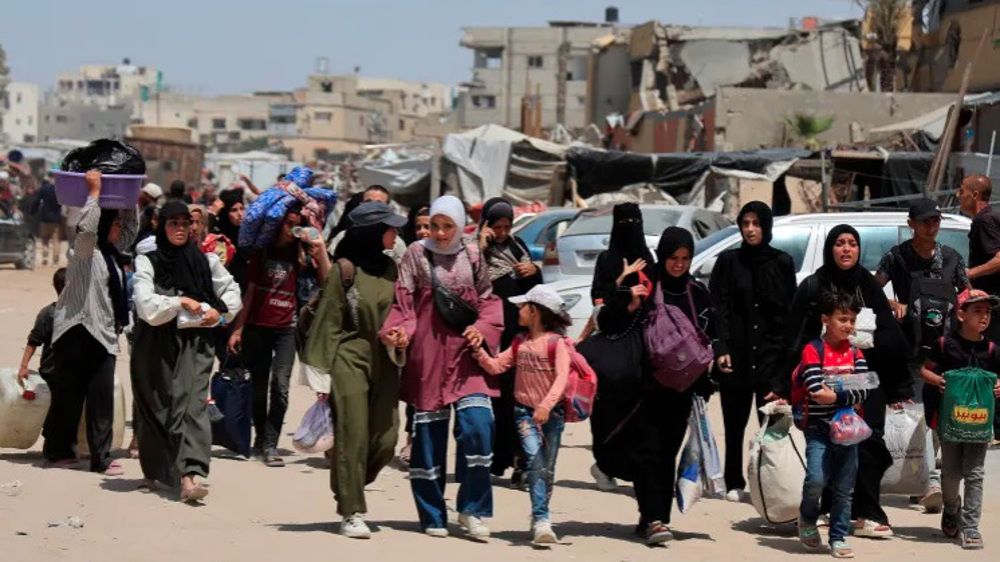
Abdelatty also clarified that the Rafah crossing will be strictly limited to facilitating humanitarian aid deliveries and the evacuation of critical medical cases.
The Egyptian foreign minister further emphasized the necessity of deploying an international peacekeeping force in the Gaza Strip to ensure compliance with the ceasefire agreement and to prevent Israel from resuming military offensives.
Speaking at a panel during the Doha Forum on Saturday, Abdelatty reiterated Egypt’s rejection of using Rafah as a gateway for the forced removal of Palestinians from Gaza.
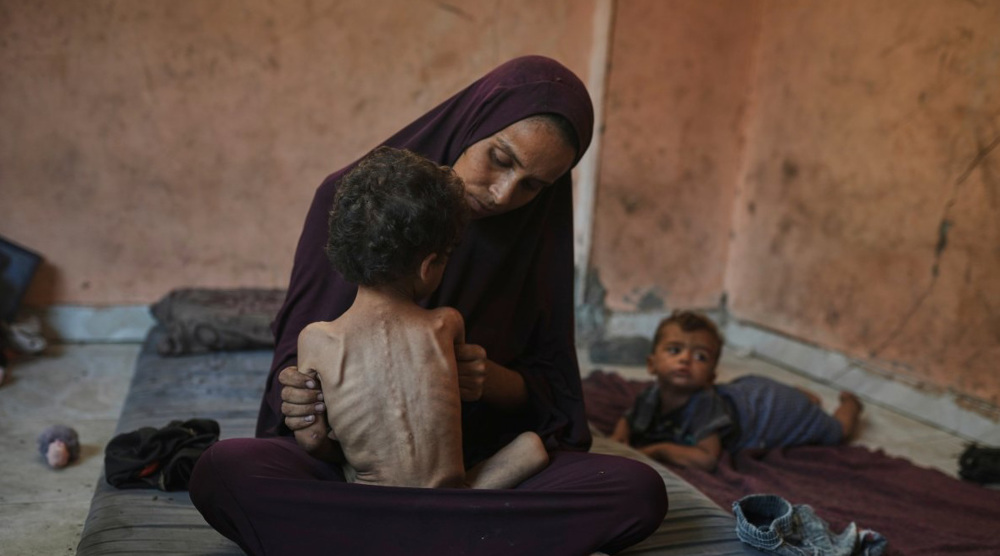
He also called for Israel to open all border crossings to allow unimpeded humanitarian access, warning that partial openings prolong suffering and undermine stabilization efforts.
Abdelatty once again stressed the need for international forces in Gaza, emphasizing that their mission would be limited to peacekeeping rather than peace enforcement, and mentioned the interest of international actors, including the European Union, in assisting with the training of Palestinian police forces.
Earlier in the week, Cairo rejected Israeli claims of coordination to reopen Rafah for Palestinians seeking to leave Gaza, dismissing the assertions as inaccurate.
Abdelatty further noted that the first phase of the ceasefire agreement between the Palestinian resistance movement Hamas and Israel has yielded some positive results, but continues to be undermined by repeated Israeli violations.
He also stressed that the second phase, which is tied to the Israeli withdrawal, is essential for moving forward.
Regarding weapons regulation in Gaza, he stressed the need for a unified Palestinian authority to prevent internal divisions from being exploited by Israel, and reaffirmed that neither Egypt nor any foreign government would administer Gaza after the end of Israel’s military campaign.
Abdelatty also underlined the need for an international force along Gaza’s 'yellow line', as outlined in the ceasefire plan proposed by US President Donald Trump.
A fragile ceasefire, brokered by the United States, went into effect in Gaza on October 10. Despite the agreement, Israeli forces continue to carry out strikes in the besieged territory.
According to the Gaza Health Ministry, daily violations have resulted in the deaths of 367 Palestinians and injuries to 953 others since the ceasefire took effect.
Martyr Ayatollah Khamenei was pillar of support for Palestine: Islamic Jihad
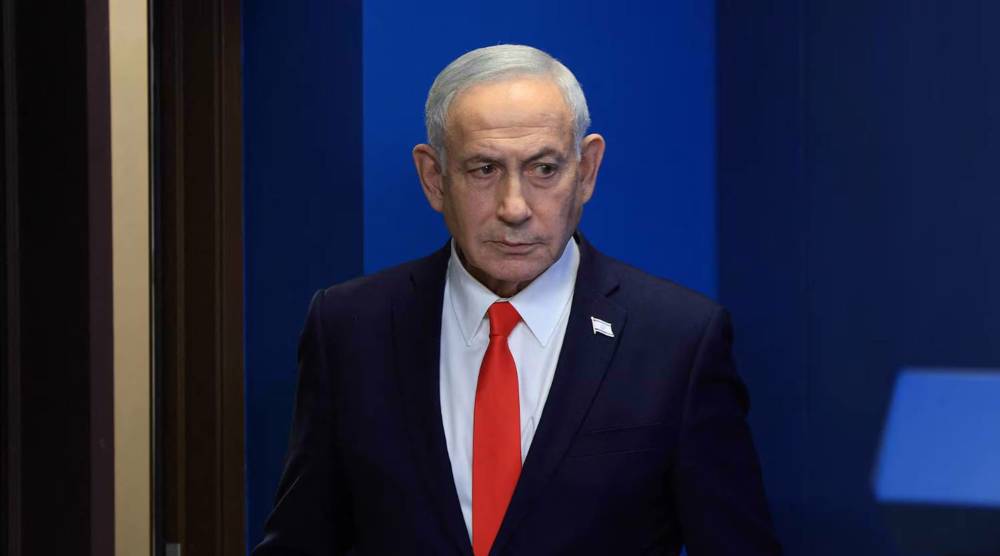
Netanyahu pressured Israeli intelligence to declare Iran's nuclear program destroyed: Report
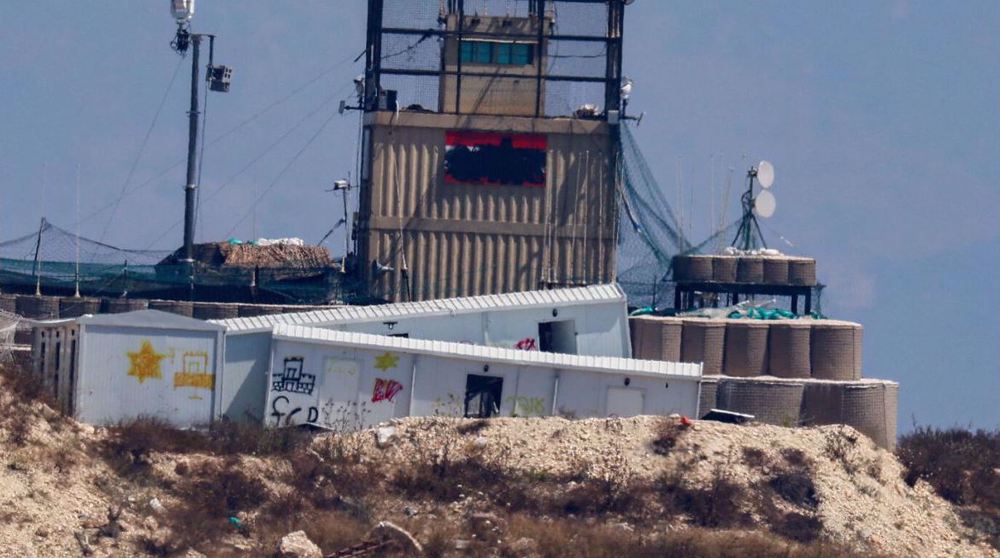
Lebanon deal not about Israeli forces withdrawal: Israeli envoy



Ayatollah Khamenei upheld moral leadership despite existential threats: Ex-British diplomat
London police arrest 84-year-old priest at Palestine Action rally
Peace in Lebanon impossible without Iran: Qalibaf
Israeli military chief threatens Lebanon with new aggression from Beaufort Castle
Israel kills more Gazans, blows up buildings in latest ceasefire violations
Leader reappoints Mohseni-Ejei as Iran's judiciary chief
VIDEO | Pakistanis hold memorial ceremony for Iran’s martyred Leader Ayatollah Khamenei
VIDEO | Ayatollah Khamenei’s message of resistance was truly universal: American activist




 PressTV NEWSLETTER
now
PressTV NEWSLETTER
now
 This makes it easy to access the Press TV website
