Until my freedom: Freed Palestinians to ignite renewed resistance against occupation
By Roya Pour Bagher
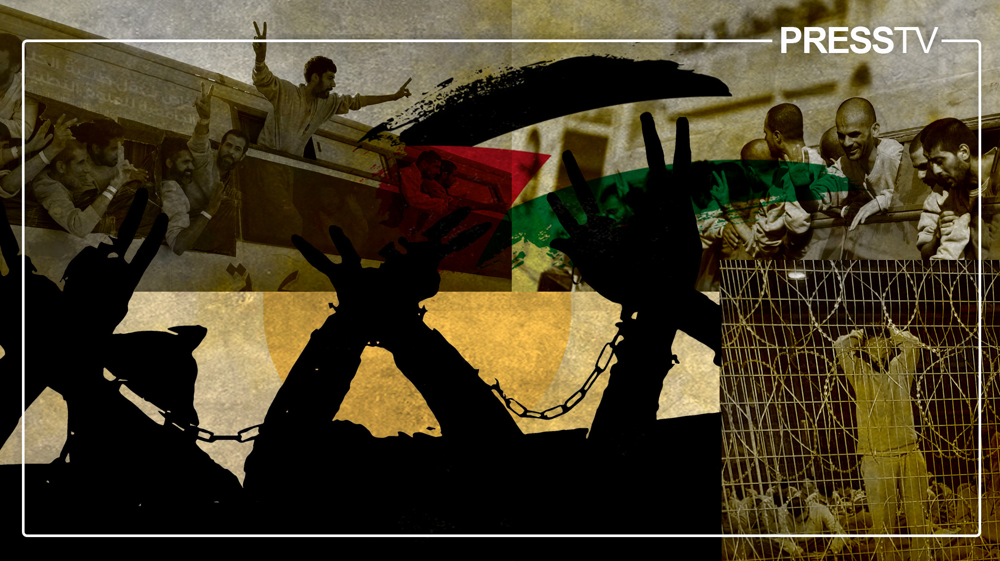
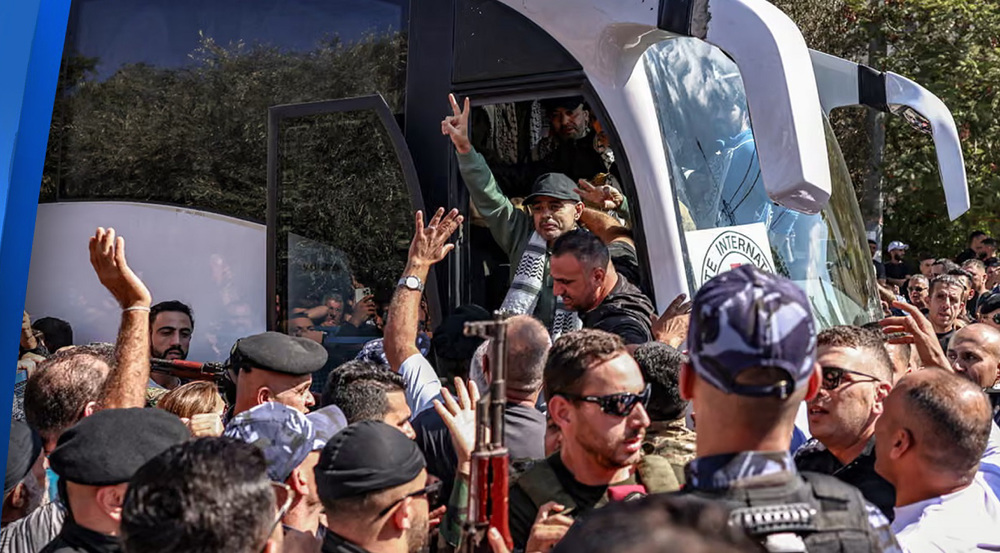
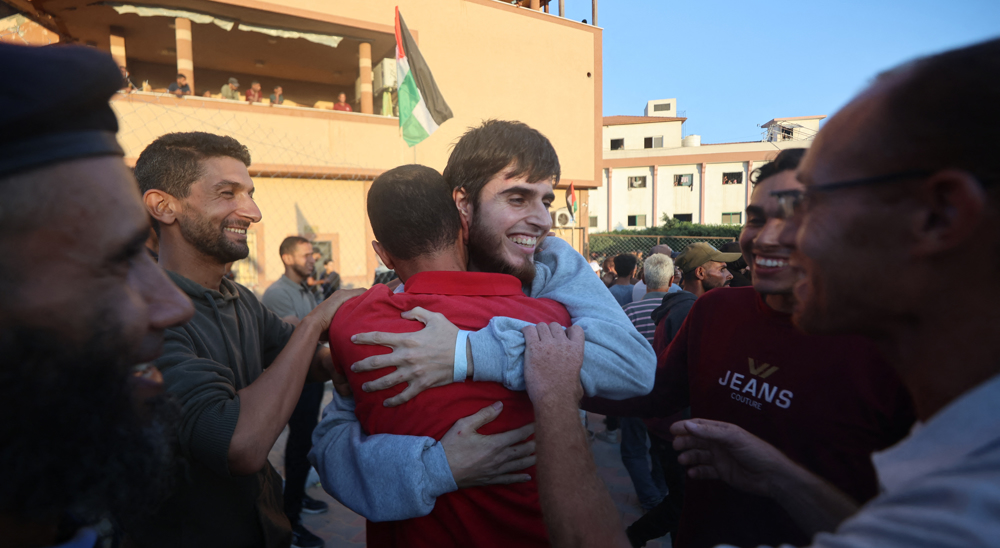
Unbeknownst to the world, October 13, 2025, marks the birth of a new wave of resistance fighters as the nearly 2,000 abductees walked out of Israeli prisons under the ceasefire agreement, which came after more than two years of Israeli-American genocidal war on Gaza.
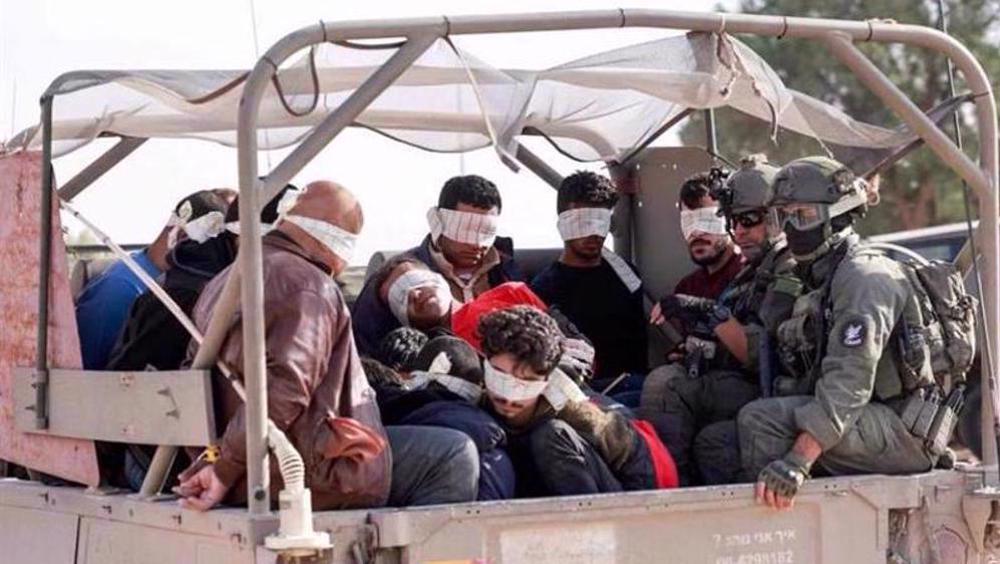
These Palestinians endured unimaginable torture and abuse on a scale few people have been systematically subjected to in modern history.
For them, time was measured not in days but in deaths of the spirit. They died a thousand times with each passing sunrise – some for over a decade.
The methods of torture are not random acts of cruelty but a calculated system. Rapes, beatings, starvation and sleep deprivation form a well-documented arsenal designed to break bodies and minds.
As one Palestinian recounted, “I bled from my eye for three weeks,” pleading for those left behind to be freed from these Israeli hellholes. Another said, “I kiss the feet of the people of Gaza and the resistance” – a profound gratitude for the breakthrough achieved through years of resilience in the face of genocidal attacks.
What the international community fails to grasp is that this immeasurable pain cannot, and should not, be transformed into anything other than a solid determination to end its source—the Zionist occupation.
To expect otherwise is to demand that victims forgive their executioners while the massacres continue to unfold. The logic is as stark and irreversible as the execution of a serial killer: there can only be peace in Palestine once the occupation is removed.
Therefore, the world must not feign ignorance, but rather expect and, for the sake of justice, encourage the rise of more Palestinian resistance fighters to continue the unfinished mission.
No rational being believes the Zionist entity will end its hostilities, let alone allow for the establishment of a sovereign Palestinian state. The world has already witnessed incessant ceasefire violations in Lebanon as well as in Gaza during previous truce attempts, all met with the silent complicity of an international community that has chosen to sit idly by.
WATCH: Here are some of the Palestinian abductees released under the ceasefire agreement between Hamas and Israel.
— Press TV 🔻 (@PressTV) October 14, 2025
Follow: https://t.co/mLGcUTS2ei pic.twitter.com/QgReW9o7JB
Nearly 2,000 released Palestinians equate to nearly 2,000 families. Make no mistake: the brutal crimes in Israeli prisons did not only affect the abductees. The trauma reached their loved ones and communities back home, igniting a fire that cannot be extinguished until absolute liberation from occupation is achieved.
Neither will Palestinians forget, nor should the world, the unimaginable barbarism witnessed from 2023 to 2025. A genocide was live-streamed to a global audience, yet ignored by the very governments that claim to uphold a “rules-based international order.”
Should the world move on and fail to hold Israel accountable, then humanity has truly fallen. Should states resume ties with the occupying entity, then the global protest movement, for all its moral force, will have lost its own battle.
It is therefore greatly delusional to believe that the freed Palestinians can continue their life normally while thousands of their brethren remain in the dungeons they only just escaped.
Their freedom is inherently incomplete, a constant reminder of those left behind. No, these Palestinians will collaborate, organize, and dedicate their lives to bringing back their kidnapped comrades. They will rise with an army to bring their brothers and sisters back home.
We can only imagine the spirit with which they have returned, and with what spirit they will now live their remaining days. We must expect something greater than what we have witnessed so far when it comes to Palestinian resistance.
And they will not be alone; they are joined by thousands of Palestinian orphans, children of the massacres, who rightfully seek justice for the bloodshed and trauma Israel forced upon them.
This is not a novel phenomenon. Historians and intelligence analysts have long documented that prisons often function as ‘universities of resistance.’
From the oppression of the Irish by the British to the anti-apartheid struggle in South Africa, and of course in previous Palestinian uprisings, the brutal experience of incarceration served to forge a stronger strategic leadership.
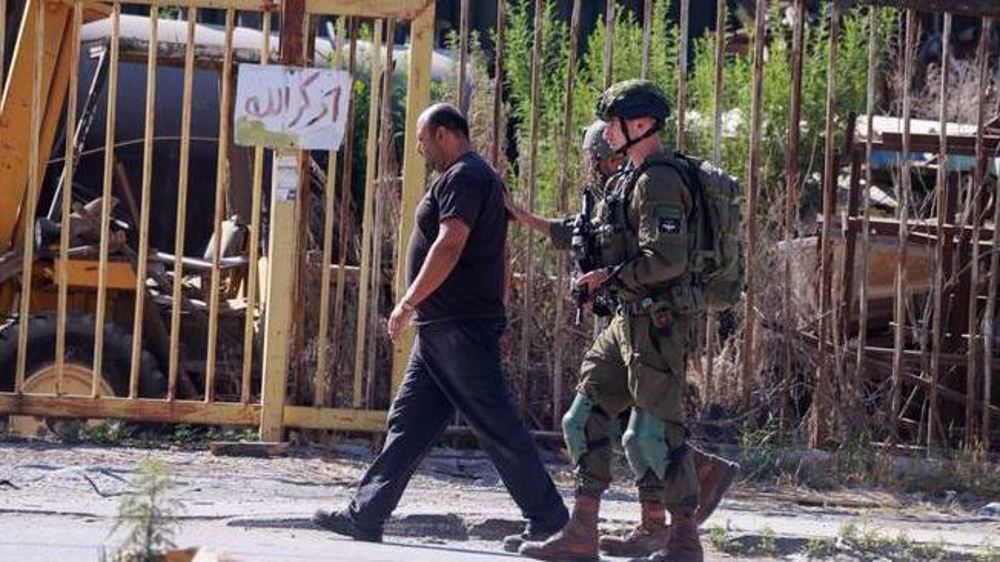
Israeli forces attack homes of newly released Palestinian abductees in the occupied West Bank, warning their families against holding any celebrations.
— Press TV 🔻 (@PressTV) October 14, 2025
Follow: https://t.co/mLGcUTS2ei pic.twitter.com/3RO2E02h2U
Within prison walls, political education is strengthened and disseminated and strategies are debated. The release of these nearly 2,000 individuals is not an end, but the beginning of a new, highly motivated movement for the liberation of occupied land.
In this context, calls for disarmament in Gaza are not just naive; they are a precedent for permanent subjugation. There cannot be a removal of weapons as long as the root cause of violence remains: the occupation itself.
Neither will Palestinians allow it nor the released abductees, since they intimately understand what it means to live under the guns and violence of Israeli occupation forces.
When world leaders speak of a demilitarized Gaza, they are describing the very conditions of subjugation that made resistance necessary in the first place. To accept this would be to neglect the right to self-defense enshrined in international law.
Moreover, the calls for disarmament would have been met with laughter were it to be directed to any European or Western nation under the same conditions. So, why should it be met with anything other than bitter scoff by Palestinians who were betrayed by the world when their people were being ethnically cleansed.
A nation like Palestine will not surrender. On the contrary, it will find new and better ways to strengthen itself. This does not only mean more advanced weapons to defy the occupying entity.
It means a resistance that is more politically unified, that has honed its strategy behind Israeli bars, and that leverages every tool of struggle—from grassroots organizing to international legal action against Israeli officials in international courts.
Gaza will not allow the over 60,000 sacrifices to have been in vain; these martyrs will be the foundation for a resistance that is smarter, larger, more resilient, and more determined than ever to achieve the liberation that the world has failed to deliver.
The Israeli prisons intended to break Palestinians have only built a stronger army with a greater mind.
Roya Pour Bagher is a Tehran-based writer.
(The views expressed in this article do not necessarily reflect those of Press TV.)
Tel Aviv set to keep troops inside Lebanon, Syria, Gaza: Israeli war minister

German journalist says Israeli prison guards raped her to 'break our will'
Hamas retained much of its military power despite genocide: Israeli military report



VIDEO | CPEC 2.0: China-Pakistan partnership moves beyond infrastructure to industry
VIDEO | Pakistan hosts 12th SCO border security officials meeting
VIDEO | Millions of Yemenis renew mandate to break siege, send warnings to KSA
VIDEO | Baghdad seminar highlights funeral processions for Iran’s martyred Leader
VIDEO | Press freedom under threat in Germany
VIDEO | EU lawmakers demand Israel pay to rebuild Gaza
IRGC blocks US-backed illegal transit through Strait of Hormuz
IRGC warns of wider strikes on US-linked assets as Army targets hostile US vessel in Indian Ocean



 PressTV NEWSLETTER
now
PressTV NEWSLETTER
now
 This makes it easy to access the Press TV website
