Lebanon’s president blasts ‘unjustified’ Israeli attacks on Arab country’s south
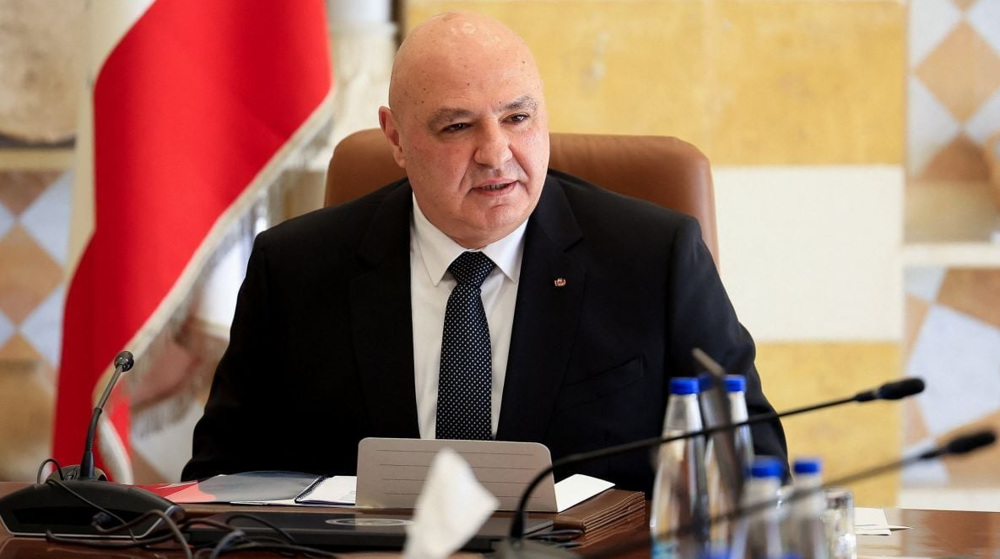
The Lebanese president has strongly condemned a recent surge of Israeli attacks on southern Lebanon, describing the renewed aggression as “unjustified” and warning that its timing raises serious concerns.
In a statement on Saturday, Joseph Aoun denounced the recent Israeli strikes targeting civilian areas, saying, “Once again, South Lebanon is under the fire of Israeli aggression against civilian facilities, without justification or even excuse.”
He stressed that the escalation is particularly alarming as it comes after the Gaza ceasefire, noting that this dangerous development “poses challenges for us as Lebanese, and for the international community.”
Raising concern about the Israeli regime’s motives, Aoun said that political considerations may drive the aggression.
“The question is whether some are considering making up for Gaza in Lebanon to secure the need for continued political profiteering through fire and bloodshed,” he said.
He emphasized that “the repeated Israeli attacks on Lebanon constitute a flagrant violation of sovereignty and threaten the prospects for stability that should follow the Gaza agreement. This requires urgent international action to put an end to this aggressive approach.”
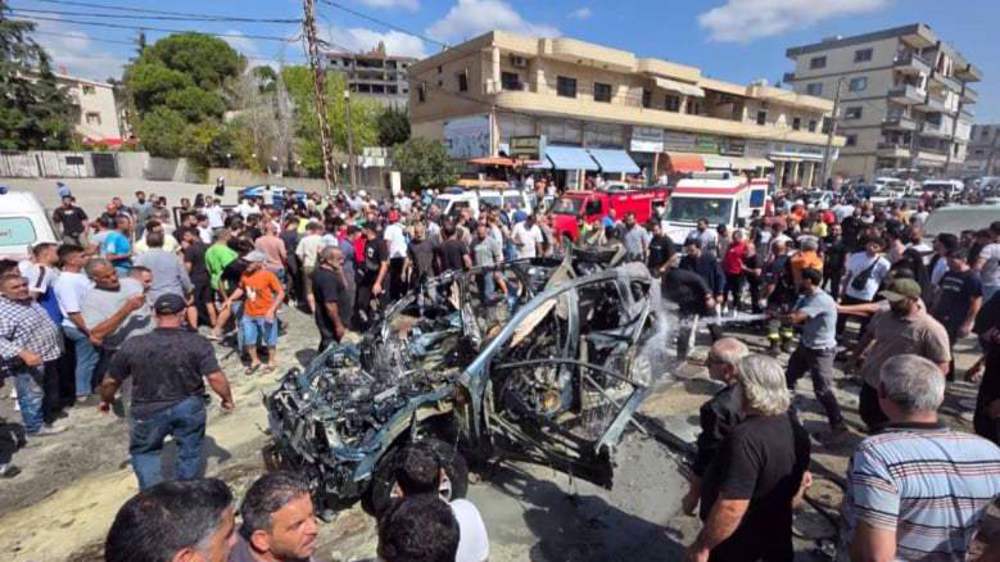
In an open breach of the November 2024 ceasefire between Israel and Lebanon, the occupying entity launched attacks on southern Lebanon on Saturday, killing one civilian and injuring several others.
Local sources, speaking on condition of anonymity, were quoted as saying by the media that the Israeli raids struck excavation equipment and bulldozers, adding that efforts were underway to reopen the road linking Sidon and Nabatieh after the bombardment cut it off.
In a brief statement, the Israeli armed forces falsely claimed they had targeted sites where the Lebanese resistance group Hezbollah was storing heavy machinery for “rebuilding its infrastructure in southern Lebanon.”

Similar to the events in Gaza, the Israeli regime attacked Lebanon on October 8, 2023, following the Al-Aqsa Flood operation carried out by Palestinian resistance movements against the regime.
After nearly 14 months of war marked by heavy losses and the failure to achieve its objectives in Lebanon, Israel was compelled to agree to a ceasefire with Hezbollah, which took effect on November 27, 2024.
Since then, the Israeli armed forces have continued their assaults on Lebanon almost daily, repeatedly violating the ceasefire.
Israel also continues to occupy five strategic positions in southern Lebanon: Labbouneh, Mount Blat, Owayda Hill, Aaziyyeh, and Hammamis Hill, all located near the border.
Leave southern Lebanon or be kicked out: IRGC Quds Force chief warns Israel
US-Israeli project to finish Iran and resistance bitterly failed: Hezbollah chief
Hezbollah: Lebanon-Israel talks undermine sovereignty, amount to surrender to enemy demands



Iran def. minister warns of 'heavy, regretful' response to any violation of US MoU
“This is how we protect our land": parl. speaker hails Iran's World Cup defense amid US threats
Iran hold Belgium to goalless draw as World Cup campaign gains momentum
Leave southern Lebanon or be kicked out: IRGC Quds Force chief warns Israel
VIDEO | Trump’s derogatory comments about PM Giorgia Meloni spark political backlash in Italy
VIDEO | Anti-fascist rally held in Bogotá ahead of presidential election
VIDEO | Gaza's hospital power shortages leave patients at risk
VIDEO | Yemenis call Iran–US MOU victory for resistance



 PressTV NEWSLETTER
now
PressTV NEWSLETTER
now
 This makes it easy to access the Press TV website
