Iran FM: Western sanctions ‘crimes against humanity’ for killing over 500,000 a year
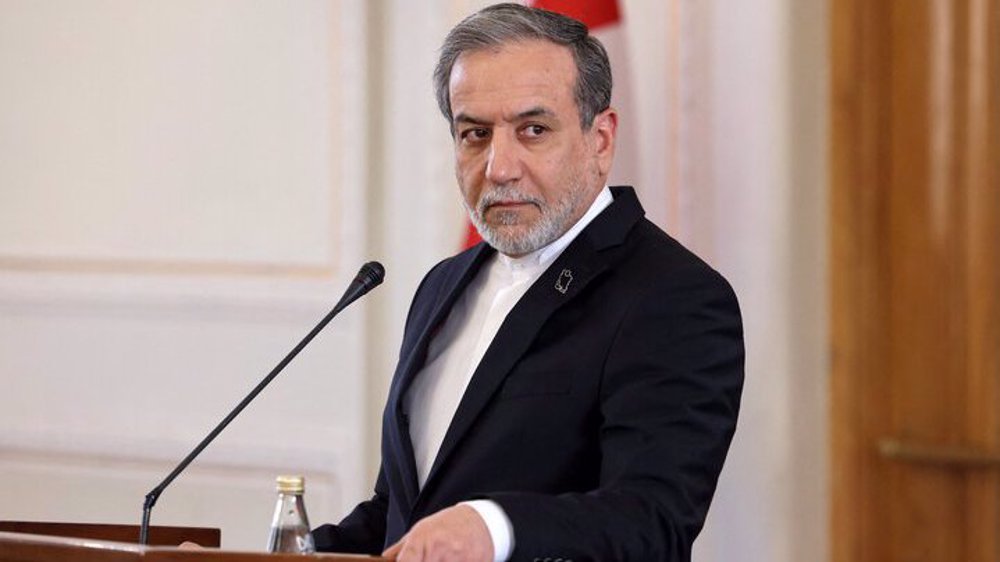
Iran’s foreign minister says sanctions imposed by the United States and its Western allies against various countries should be recognized as “crimes against humanity,” calling for a collective response to the inhumane bans.
Abbas Araghchi rejected in a post on X on Wednesday claims by Western governments that “sanctions are a bloodless alternative to war,” citing a new study by Britain-based leading medical journal, The Lancet, in which more than 500,000 people were reported to have lost their lives annually due to US sanctions.
“Reality check: New study by @TheLancet says unilateral sanctions, particularly by the US, may be as lethal as war. 500+k lives claimed annually since 1970s, mostly children and the elderly,” Araghchi said.
Calling for the recognition of the Western-imposed sanctions as crimes against humanity, the Iranian foreign minister urged the affected countries to give a “unified and collective” response to the bans.
“High time for inhumane sanctions imposed by the US and its accomplices to be recognized as crimes against humanity. Targeted nations should coordinate efforts to forge a unified and collective response,” Araghchi added.
Western regimes have long claimed that sanctions are a bloodless alternative to war.
— Seyed Abbas Araghchi (@araghchi) August 13, 2025
Reality check: New study by @TheLancet says unilateral sanctions, particularly by the US, may be as lethal as war. 500+k lives claimed annually since 1970s, mostly children and the elderly.… pic.twitter.com/02tIQiAFA5
Over the past decades, Iran has been under draconian sanctions by the United States and its European allies over its peaceful nuclear program and standing up to the hegemonic and expansionist policies of the West.
Iran showed to the world the peaceful nature of its nuclear program by signing the Joint Comprehensive Plan of Action (JCPOA) with six world states — namely the US, Germany, France, Britain, Russia, and China — in 2015. The nuclear deal was also ratified in the form of UN Security Council Resolution 2231.
However, Washington’s exit in May 2018 and the subsequent re-imposition of unilateral sanctions against Tehran left the future of the historic agreement in limbo.
The unilateral sanctions have hampered in some cases Iran's headway but largely contributed to the country's self-sufficiency and dynamized the national drive to push the boundary of its innovation and venture into high-tech sciences with no reliance on foreign assistance.

Iran air defense downs multiple enemy drones, cruise missile
Quds Force chief vows to continue 'bright path of resistance' under Leader's guidance
Araghchi: Iran’s strikes on US bases 'transformed' regional security structure



IRGC: Two US-coerced deviant tankers explode in unsafe Strait of Hormuz route
VIDEO | Press TV's news headlines
VIDEO | 'Iranian Red Crescent on humanitarian front lines amid US aggression'
Hamas hails Spain’s World Cup triumph as moral victory against Israel
IRGC delivers decisive blow to US special operations hub in Syria
Spain captures second FIFA World Cup title as Torres sinks Argentina in extra time
Another US soldier killed in Iraq amid mounting casualties from Iranian strikes
VIDEO | 'They are very totalitarian in nature': Alon Mizrahi


 PressTV NEWSLETTER
now
PressTV NEWSLETTER
now
 This makes it easy to access the Press TV website
