Gaza already facing famine but UN prevented from declaring it officially: Famine expert
By Syed Zafar Mehdi
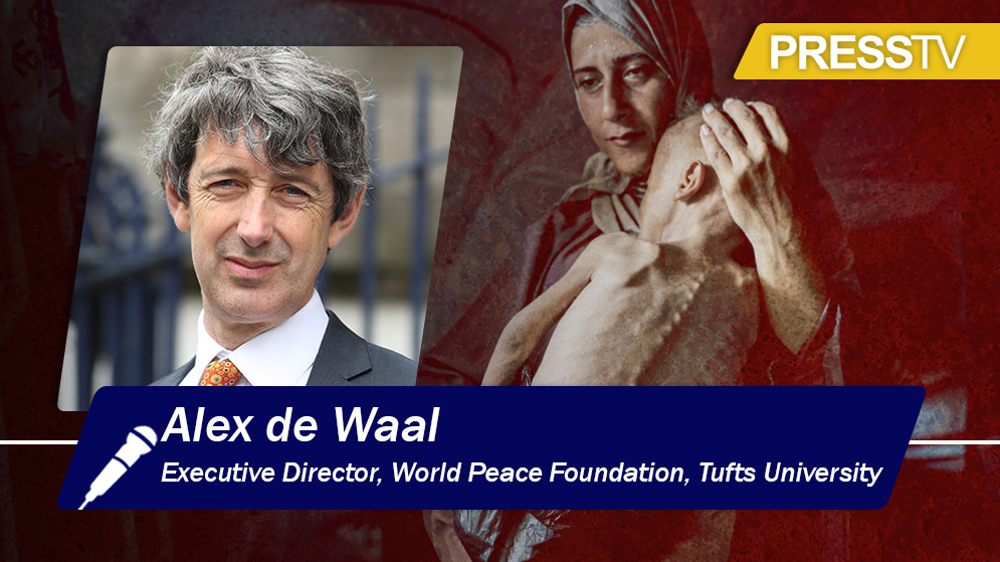
Gaza is already experiencing famine, but it has not been officially declared since the data is not available for the United Nations to make such a determination, says a famine expert.
In an interview with the Press TV website, Alex de Waal – a British anthropologist and executive director of the World Peace Foundation at the Fletcher School of Law and Diplomacy at Tufts University in the US – stressed that the war crime of starvation is prohibited under international law, referring to the ongoing siege and starvation in the Gaza Strip.
He said the UN lacks data on the famine in the besieged Palestinian territory because Israel is not allowing aid agencies access to the ground to collect the necessary information.
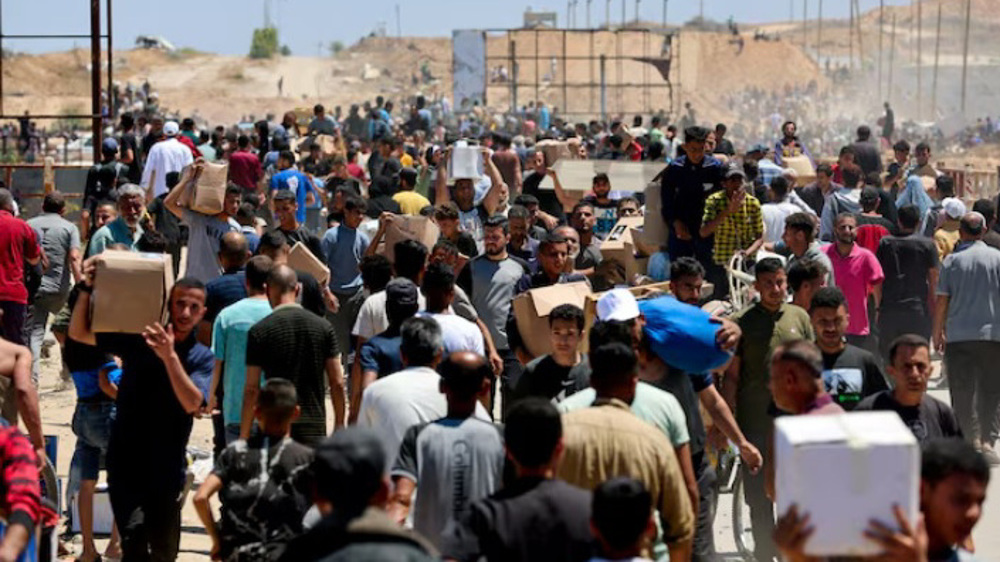
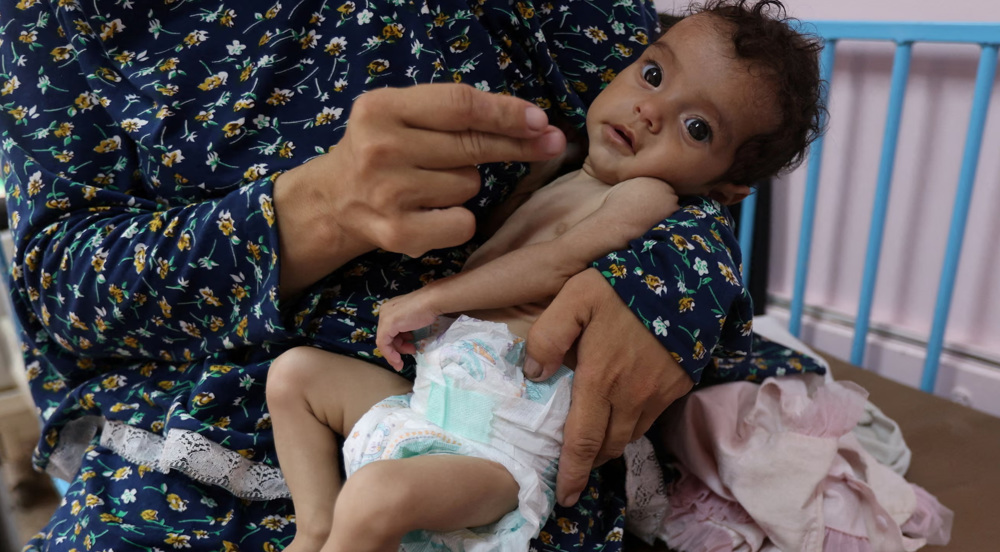
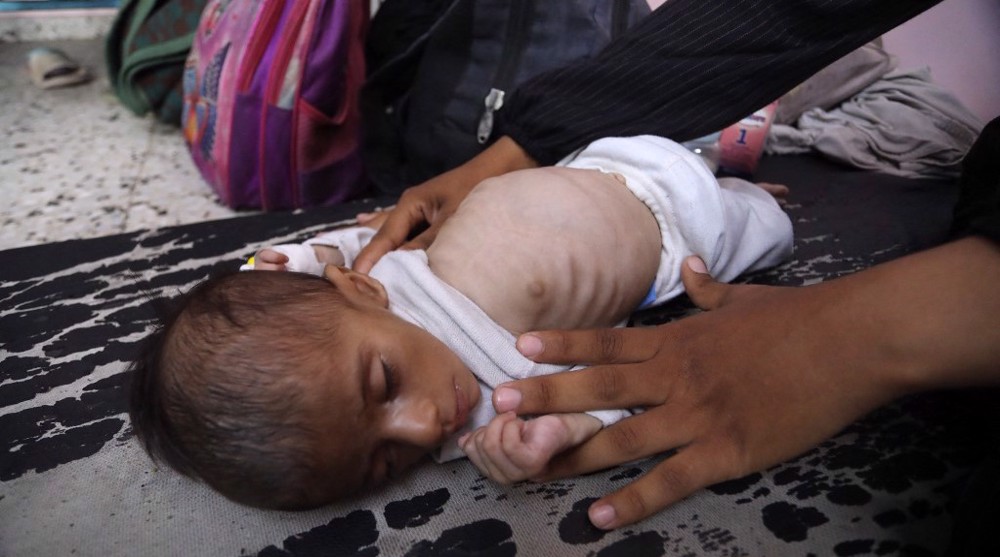
Nearly 130 people, the majority of them children, have reportedly died from deliberate starvation in recent weeks as a result of the Israeli regime’s weaponization of humanitarian aid.
The flow of aid into the coastal territory was completely blocked in March under the orders of Israeli Prime Minister Benjamin Netanyahu, who used it as a cunning tactic to pressure Hamas into making concessions in negotiations regarding the ceasefire and release of captives.
This siege and the deaths from starvation come amid an ongoing genocidal war that has claimed nearly 60,000 lives since October 2023, the majority of them women and children.
De Waal, a leading expert on famine and humanitarian crises, stated that international law prohibits the “war crime of starvation” and added that UN Security Council Resolution 2417 of 2018 “is specifically designed to address situations in which armed conflict risk causing widespread food insecurity and famine.”
“That was a unanimous resolution voted for by the United States. The International Criminal Court has published evidence that the war crime of starvation has been committed and that senior government officials are responsible,” he told the Press TV website.
“The International Court of Justice in its provisional measures in March last year ordered Israel to provide unhindered relief in full coordination with the United Nations. That is an obligation in law that Israel is required to fulfill.”
Early on Sunday, the Israeli military announced it would open humanitarian corridors to allow aid convoys into the territory following mounting international pressure.
In a statement, the occupation army declared a “tactical pause in military activity” in three areas – Al Mawasi, Deir al-Balah, and Gaza City – from 10:00 to 20:00 local time each day.
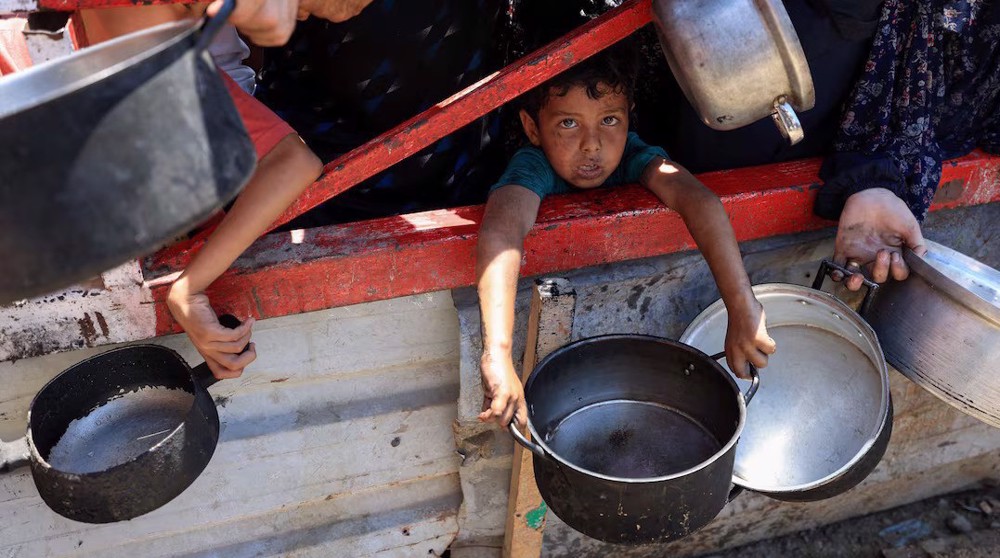
De Waal said what Israel is doing is “too little and too late,” adding that the regime must fulfill all aspects of its humanitarian obligations, which include “either providing or enabling third parties to provide food, water, healthcare, sanitation, shelter, clothing, protection for civilians and dignity for human beings.”
“The humanitarian crisis has reached a point at which these kinds of comprehensive measures are essential,” the famine expert noted.
On whether he sees any modern precedent for a humanitarian catastrophe of this scale, the British anthropologist said there have been famines and humanitarian crises in modern history, but the situation in Gaza is “unique” because of obstacles placed in the way of the UN.
“There have been many famines and humanitarian crises in modern history in which the international community has either done nothing or done too little. There have been cases in which Western countries have looked away while allowing governments to commit genocidal acts. Cases would include Guatemala, Iraq’s campaign against the Kurds in the 1980s, and Indonesia's campaign in East Timor in the 1970s,” he noted.
“What makes the case of Israel's conduct in Gaza unique is that the United Nations has the resources, the capacity, and the plan to enable it to run a major relief operation. And it has been prevented from doing so without action at the highest international level.”

Bab al-Mandab and expanding missile capabilities have turned Yemen into regional power: Academic
Emerging Strait of Hormuz-Bab al-Mandab equation reshapes West Asia's power balance: Analyst
Continued US aggression against Iranian territory proves military strength is the sole deterrent: MP



VIDEO | ‘The American public does not support this war in any way’: Analyst
Iran military: Any US attack on nuclear sites equals ‘expansion of war,’ entails extensive reprisal
Ops. Nasr-2 and Sa'eqeh: Iran's retaliatory operations against US military assets on July 21
VIDEO | ‘Any US forces targeting Iranian coastline would come under counterattack’: Commentator
IRGC disables multiple radar systems in Kuwait in ongoing retaliation
VIDEO | 'This time, it's going to be a lot worse': Political commentator
Iran Army has 'already defined precise defense scenarios' to counter any enemy incursion
Iran Army shoots down hostile suicide drone over East Azerbaijan province




 PressTV NEWSLETTER
now
PressTV NEWSLETTER
now
 This makes it easy to access the Press TV website
