Boeing reaches agreement with US government over deadly 737 Max crashes, avoids prosecution
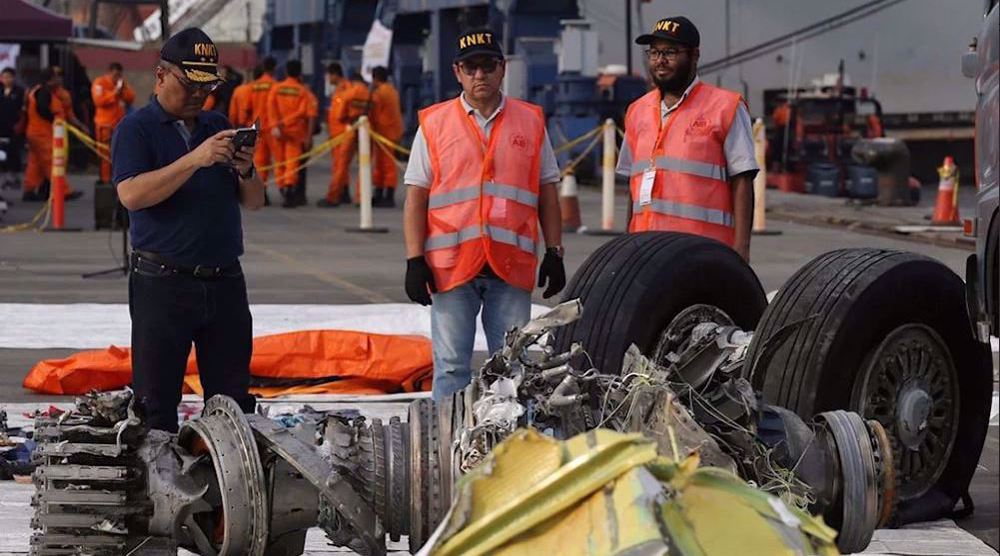
Boeing has reached a $1.1 billion agreement with the US Department of Justice (DOJ) in order to avoid criminal prosecution for the two deadly 737 Max airplane crashes.
The DOJ said on Friday it reached an agreement with Boeing that permits the company to avoid criminal prosecution for allegedly misleading US regulators about the crashes of Lion Air Flight 610 in 2018 and Ethiopian Airlines Flight 302 in 2019, where a total of 346 passengers lost their lives.
Under the terms of the “agreement in principle,” which still needs to be finalized, Boeing pays or invests more than $1.1 billion, including an additional $445 million for the crash victims’ families, the DOJ said.
Boeing’s non-prosecution agreement with the DOJ allows the aerospace giant to avoid being branded a convicted felon.
The families of the passengers who died during the flights and forced prosecutors to take Boeing to trial have harshly criticized the DOJ for the agreement.
A lawyer for family members and two US senators had urged the DOJ not to abandon its prosecution, but the government quickly rejected the requests.
“This kind of non-prosecution deal is unprecedented and obviously wrong for the deadliest corporate crime in US history. My families will object and hope to convince the court to reject it,” said Paul Cassell, a lawyer who represents many of the families.
DOJ officials, however, insisted: "We are confident that this resolution is the most just outcome with practical benefits."
"Nothing will diminish the victim's losses, but this resolution holds Boeing financially accountable, provides finality and compensation for the families, and makes an impact for the safety of future air travelers," said the officials.
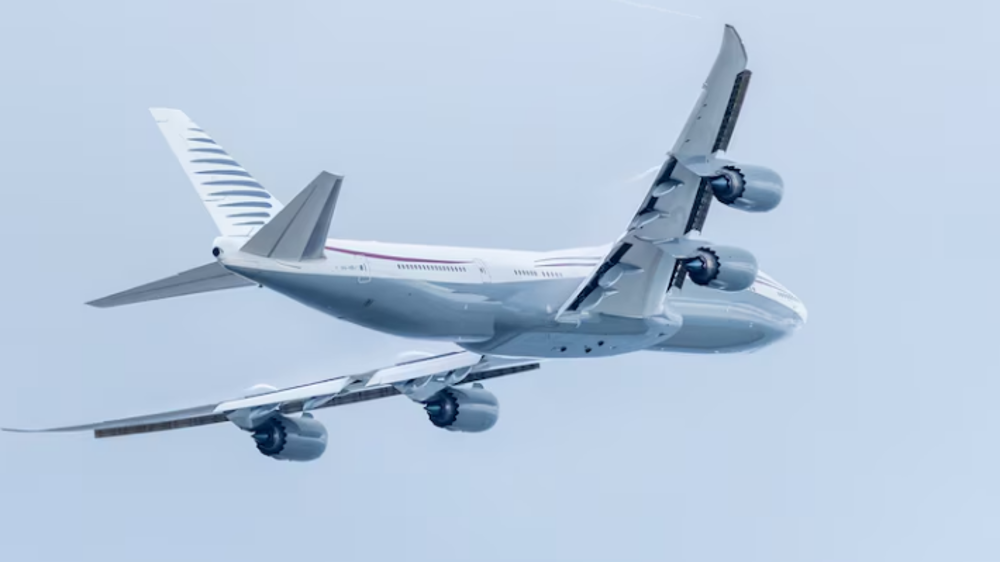
Boeing has been accused of misleading the Federal Aviation Administration about aspects of the Max before the agency certified the plane for flight.
Boeing did not tell airlines and pilots about a new software system, called MCAS, that could turn the plane’s nose down without input from pilots if a sensor detected that the plane might go into an aerodynamic stall.
The Max planes crashed after a faulty reading from the sensor pushed the nose down and pilots were unable to regain control.
After the second crash, Max jets were grounded worldwide until the company redesigned MCAS to make it less powerful and to use signals from two sensors, not just one.
Boeing recently won the contract for the Air Force's Next Generation Air Dominance future fighter jet, known as NGAD, from the Pentagon.
Revenge for killing resistance commanders is certain, Abu Muhandis family warns Trump
EU backs ICC, rejects Trump's campaign to dismantle war crimes court
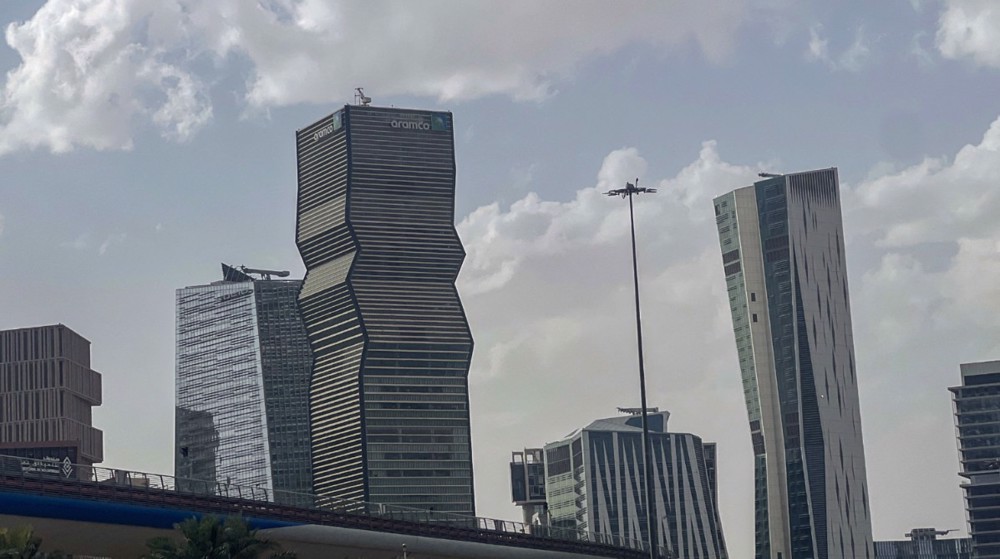
Western firms draw up contingency plans as Saudi-UAE rift deepens: Report


VIDEO | Persian Gulf states may soon be forced to reassess their role in Iran-US war: Analyst
VIDEO | 'The Trump administration is running out of strategic options in Iran'
Iran calls on UN rights chief to condemn US attacks on civilian infrastructure
US-Israeli war on Iran pushes European airlines to bankruptcy: Report
VIDEO | The side that proves more resilient and resistant will be the winner: Analyst
Iran's custodial role in the Strait of Hormuz beyond pipelines
Tel Aviv set to keep troops inside Lebanon, Syria, Gaza: Israeli war minister
Trump's war on Iran backfires economically


 PressTV NEWSLETTER
now
PressTV NEWSLETTER
now
 This makes it easy to access the Press TV website
