Chicago teachers strike extends into 11th day, second-longest in US history

The Chicago teachers union and the city’s mayor have blasted one another over who was to blame as a strike that caused 300,000 public school students to miss classes extended into an 11th day on Thursday, the second-longest teachers’ strike in recent US history.
The two sides strongly disagree over whether additional days would be added to the school calendar to make up for lost classes and whether the city’s 25,000 teachers would be compensated for pay lost at the third-largest US school district.
Chicago Mayor Lori Lightfoot has rejected the demand for makeup days and accused the teachers union of reneging on a deal reached Wednesday.
“Our members are tired, frustrated and miss their students ... we want to return to the classroom,” Chicago Teachers Union President Jesse Sharkey said in a statement on Thursday.
“By not restoring days of instruction to our students lost during the strike, the mayor is making it clear that she is more concerned about politics than the well-being of students.”
Lightfoot has said the union’s full demands, if met, would require an annual spending increase of 30% beyond the current school budget of $7.7 billion.
Union leaders called on rank-and-file members to rally on Thursday morning to press for their outstanding demand.
The Chicago walkout follows a wave of teacher strikes across the country over wages and education funding during the past two years, including a week-long work stoppage in Los Angeles in January.
It has been called the “Teachers’ Spring” in the United States, with educators staging an unprecedented wave of protests demanding increases in pay and school budgets.
“It’s like the Arab spring, but it’s a teacher spring,” Toni Henson, a geography teacher, told the Guardian newspaper in May.
According to the National Education Association, a group representing public school teachers in the United States, the average teacher salary in the country decreased by four percent from 2008‒09 to 2017‒18, after inflation adjustment.

Manhunt underway for suspects after 12 people shot near festival in Ohio, US
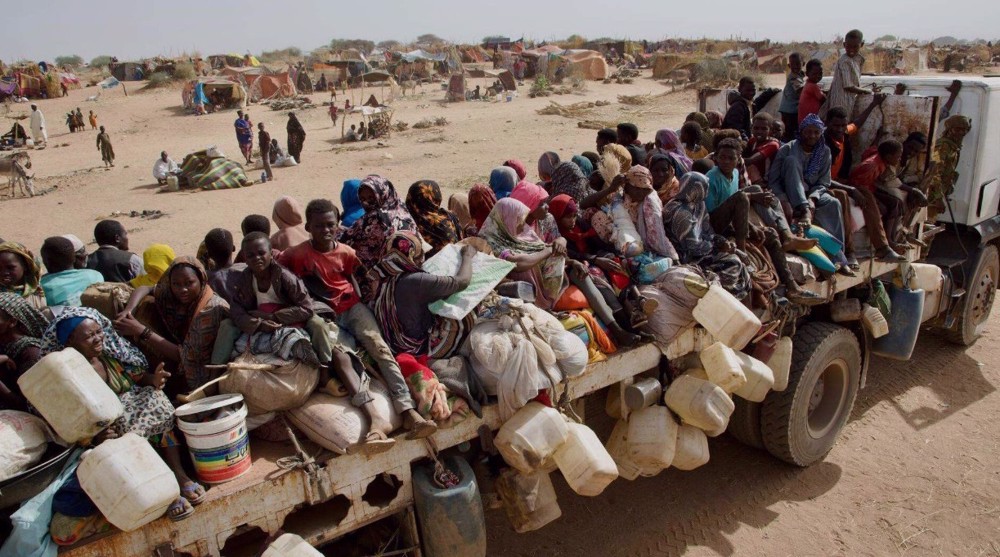
Advocates urge NBA to end UAE partnership over role in Sudan genocide
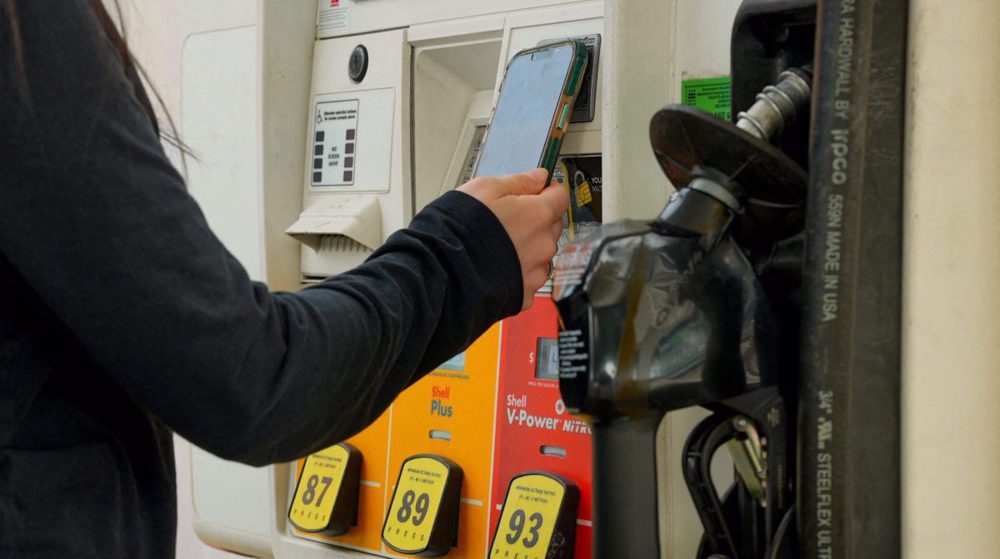
US households lose $60 billion to rising energy costs amid war on Iran: Report



‘Maritime piracy’: Iran condemns US attacks on Indian-crewed ships off Oman
Albanians protest for 12th night against Trump-linked resort project
Handala hacks California water systems after US strike on Iran’s reservoirs
Iran's Naein aba weaving gains global recognition from WIPO
UK defense crisis deepens: Second top official resigns in less than 24 hours
'Which peace have you chosen': Mother of 7-year-old Makan Nasiri writes letter to FIFA president
IRGC Navy foils US-provoked attempt to illegally transit Strait of Hormuz: Report
Major parts of agreement to end war finalized despite US contradictions, aggression: FM spox


 PressTV NEWSLETTER now
  This makes it easy to access the Press TV website