Britain partly to blame for terror chaos in region, Tunisian PM says

The Tunisian prime minister says Western military intervention in Libya in 2011 was the root cause of the rise of terrorism in the region.
In an interview with British daily, The Independent, Habib Essid said Britain is partly to blame for chaos in the region that followed the downfall of the Libyan dictator Muammar Gaddafi in 2011. He said the reason Takfiri ideologies flourished in Libya was that “the country destabilized and proved more vulnerable to terrorist groups.

“The UK and France, which led the air campaign against Gaddafi’s forces, were not solely to blame for the current turmoil in Libya, but they had been part of the problem”, Essid said.
“I would actually argue that it happened much further back which probably points to the war and occupation of Iraq and so definitely and particularly the Unite States and Britain are responsible for the chaos in the region. It became worst with the airstrikes in Libya and, of course, with hypocritical policies of western countries when it comes to the Arab uprising by not supporting the democratically elected people and working towards their own interests, letting weapons get smuggled and providing weapons to repressive regime”, Sara Marusek, a London-based political commentator told Press TV .
Marusek also accused the West of using dividing strategies in order to assert their control over the Middle East. She said that the West and some of its oppressive allies helped create the ISIL terrorist group that has been waging war in Syria, Iraq and other countries.
“For long time, nationalism may have been able to play down but it did so in many countries like Iraq or for example in Tunisia or in Egypt through authoritarian tendencies in order to achieve some sort of stability which many times Western powers actually promoted. But these oppressive regimes created certain kinds of people who easily picked violence and that's how ISIL (ISIL) was created”.
During the interview, the Tunisian PM also said that Britain has a responsibility to stop ISIL from infiltrating Tunisia arguing that protecting his country’s democracy is in the best interest of everyone. “Terrorism isn’t a national problem. It has no borders. Helping to fight terrorism in Tunisia means helping to defend themselves.”
Essid’s remarks followed revelations by the Metropolitan police that there were links between the June attack of Tunisian resort of Sousse and a mass shooting at the Bardo Museum in Tunis in March.

The attack in Sousse left 38 tourists, including 30 British nationals dead while 22 people were killed in the previous attack on the museum. Both attacks were claimed by ISIL terrorists. According to Tunisian officials, attackers had received training in Libya.
Tunisia introduced several security measures, including arming tourist police, in the wake of the terrorist attack. But the British government's advisory to its citizens gave rise to a diplomatic row between London and Tunis.

The threat of terrorist activity has become a major challenge for Tunisia which has been a tourist hub in recent years. The rise of terrorism especially those with Takfiri ideologies such as ISIL in Syria and Iraq is underpinned by greater territorial ambitions that can be seen in their infiltration into other countries. The West and some of its regional allies such as Saudi Arabia, Qatar, and Turkey have openly supported terrorist groups in their war against some of the regional governments but their plot backfired when they saw the emergence of more ultra-group, ISIL.
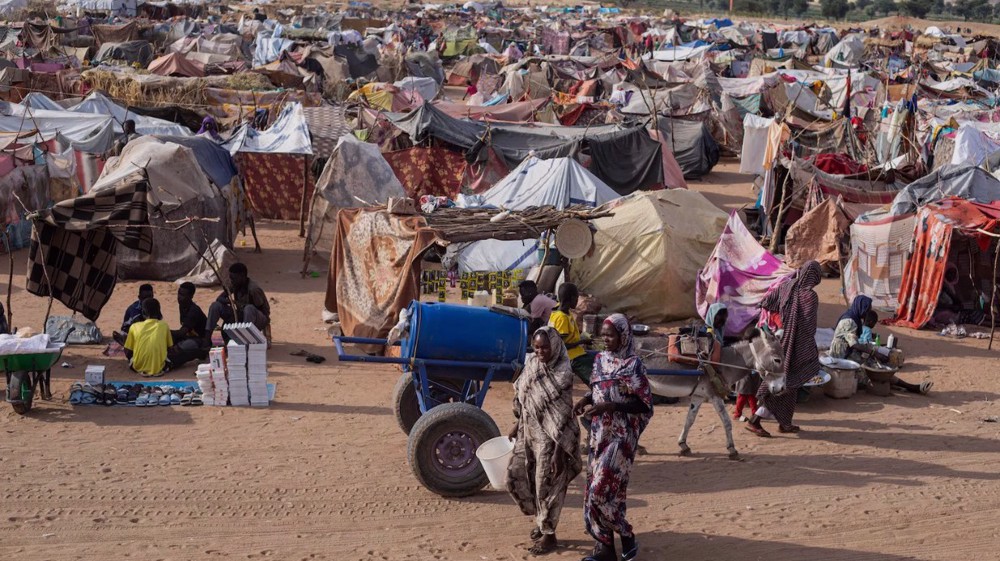
UK suppressed intel on Sudan genocide to protect UAE ties: Report
Top British diplomat lambasts Ben-Gvir’s ‘abhorrent’ comments on Lebanon
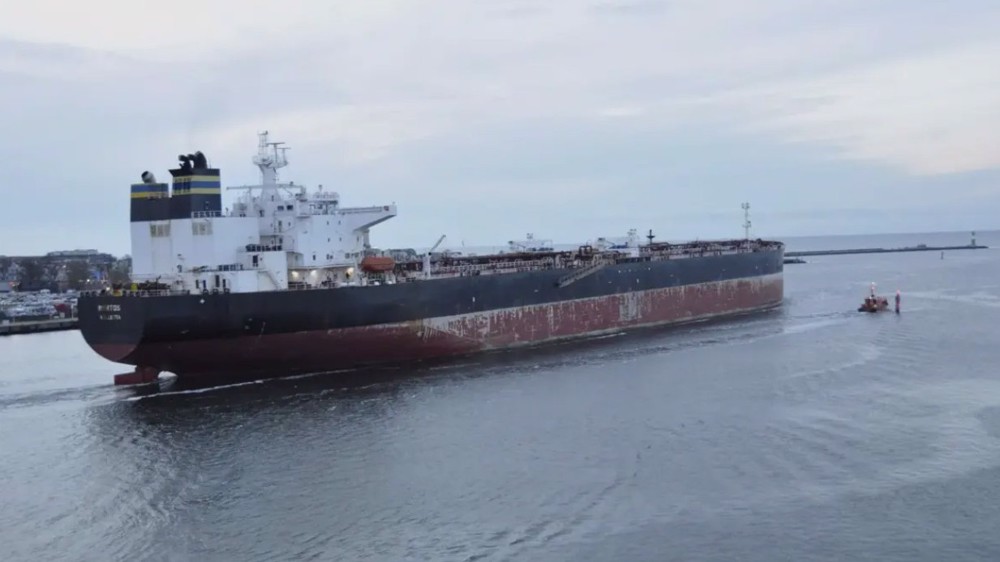
Britain seizes Russian oil tanker amid rising tensions with Moscow



Turkey warns of renewed regional war driven by Israel
Iran hails participation of representatives from over 70 countries in martyred Leader’s funeral
Netanyahu pressured Israeli intelligence to declare Iran's nuclear program destroyed: Report
Ayatollah Khamenei’s martyrdom inspired Muslims in pursuit of unity: Pezeshkian
VIDEO | Cuba stands in solidarity with Venezuela amid tragedy caused by twin earthquakes
Martyr Ayatollah Khamenei was pillar of support for Palestine: Islamic Jihad
VIDEO | Expo highlights growing Iran-Afghanistan economic cooperation
VIDEO | Press TV's news headlines


 PressTV NEWSLETTER
now
PressTV NEWSLETTER
now
 This makes it easy to access the Press TV website
