UNSC holds emergency meeting on Ukraine crisis

The United Nations Security Council has held an emergency meeting on a recent deadly attack in Ukraine as violence continues unabated in the country.
The Monday meeting came after 30 people were killed and nearly 100 injured in a rocket attack on Ukraine’s coastal city of Mariupol on Saturday.
Both Kiev and pro-Russia forces accused each other for the shelling. However, UN Under Secretary-General Jeffrey Feltman put the blame on pro-Russia forces, saying that a crater analysis by European monitors indicated the rockets were fired from an area under the control of pro-Russian activists.
Also on Saturday, Russia blocked a Western-backed Security Council statement that would have condemned the pro-Russia forces currently operating in eastern Ukraine.
Western diplomatic sources said Moscow blocked the statement by refusing to include condemnation of recent public statements by a pro-Russian leader.
A revised version of the draft statement had specifically named Alexander Zakharchenko, head of the self-proclaimed Donetsk People's Republic in eastern Ukraine, who had announced the beginning of a major operation against the government-held city of Mariupol on Saturday.

On Friday, Zakharchenko said pro-Russians would continue to fight for more territory in eastern Ukraine and abandon the peace negotiations with the Ukrainian government.
During the Monday meeting, Russian Ambassador to the UN Vitaly Churkin, said Zakharchenko’s statement was “taken out of context” and blamed Kiev for the fighting.
He also accused the West of blindly taking side with the Ukrainian government in the crisis, urging them, particularly the US, to “stop egging on the Ukrainian hawks, covering and justifying their inhumane actions.”
Russian President Vladimir Putin has also said the Ukrainian army is “NATO’s foreign legion” and does not pursue Ukraine’s national interests.
The two mainly Russian-speaking regions of Donetsk and Lugansk in eastern Ukraine have been the scene of deadly clashes between pro-Russia protesters and the Ukrainian army since Kiev’s military operation started in April 2014 in a bid to crush the protests.
Violence intensified in May 2014 after the two flashpoint regions held local referendums in which their residents voted overwhelmingly in favor of independence from Ukraine and joining the Russian Federation.
MR/NT
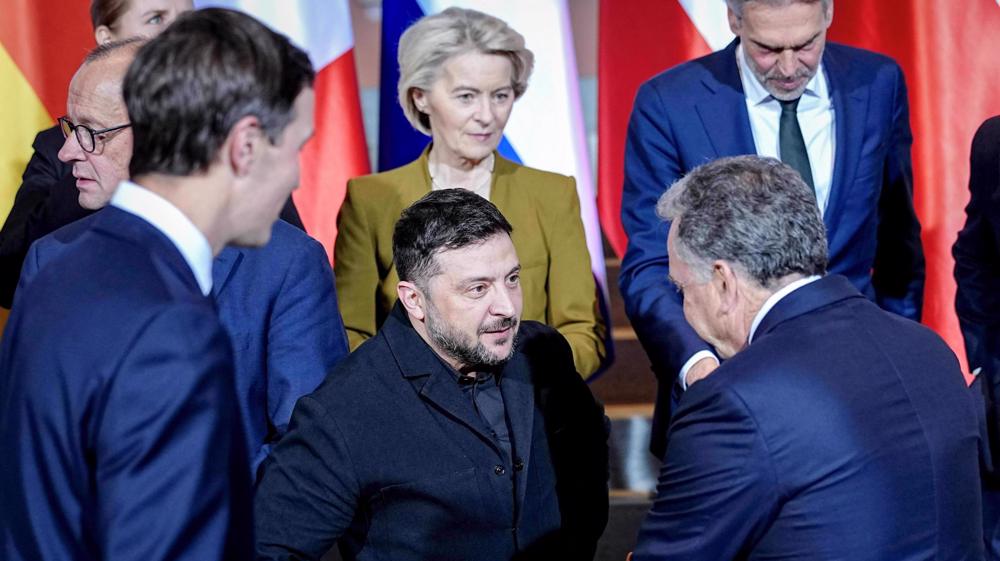
US offers Ukraine 'strong' security guarantees amid unsettled territorial row
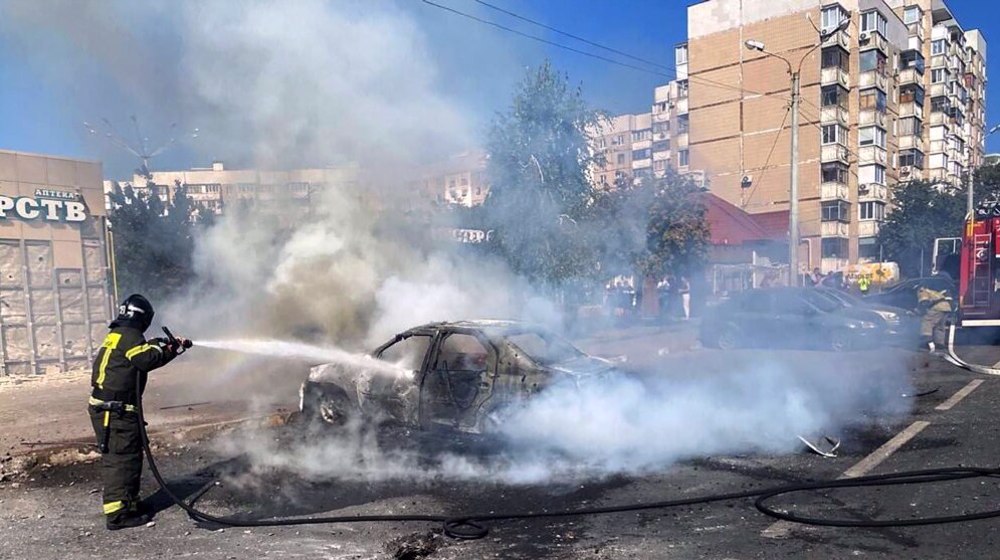
Russia intercepts 130 Ukrainian drones in overnight raid
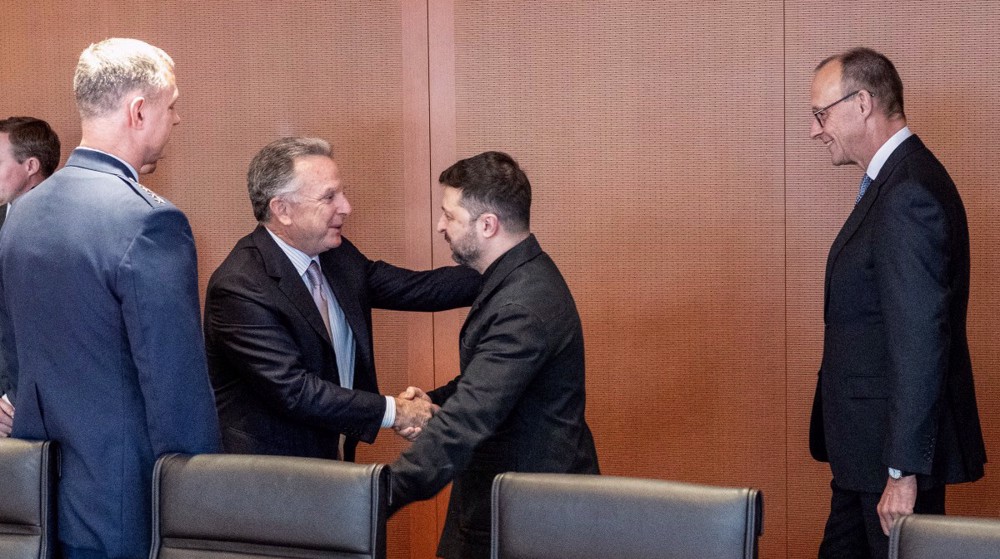
Ukraine’s Zelensky says open to dropping NATO bid for security guarantees


'Occupation came before arms’: Netizens rip into Lebanon FM over tirade against Hezbollah, Iran
Palestinians condemn Netanyahu’s provocative tour of Al-Aqsa compound
VIDEO | Barrack misreads Lebanon
Narges Mohammadi: A Nobel Prize-winning pawn in West’s ‘regime change’ game
Iran’s judiciary to launch cases against collaborators in June US-Israel aggression
Dual national faces trial for spying for Israel during 12-day war: Iran’s judiciary
Iran, Russia agree to fast-track strategic north–south corridor
US offers Ukraine 'strong' security guarantees amid unsettled territorial row


 PressTV NEWSLETTER
now
PressTV NEWSLETTER
now

 This makes it easy to access the Press TV website
